The hidden link between your foot arch and your neck pain
Have you ever experienced that sudden, sharp neck ache that seems to come out of nowhere, ruining your day? I remember the moment I first felt that persistent tension creeping up my neck after a long day of standing in line. It was more than just stiffness — it was a wake-up call that something deeper was at play.
Discovering the Hidden Link Between Feet and Neck
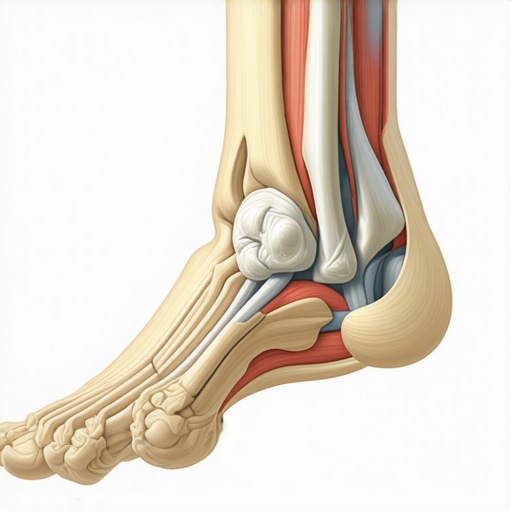
One day, during a routine chiropractic visit, my chiropractor mentioned something that instantly caught my attention: the structure of my foot arch might be influencing my neck pain. At first, I thought, “That sounds too far-fetched.” But as I did more research and reflected on my own experiences, I realized there was a compelling connection. Our body’s musculoskeletal system is a complex, interconnected network, and surprisingly, your foot arch plays a crucial role in your neck health.
Think about it — when your foot arch is overly flat or too high, it affects your gait and alignment all the way up your spine. This misalignment can lead to compensations that strain your neck muscles, causing tension, headaches, and reduced mobility. It’s a domino effect, and many overlook this crucial link. In fact, studies indicate that correcting foot biomechanics can significantly alleviate neck discomfort. It’s a potent reminder that addressing one area can have transformative effects elsewhere in your body.
Through my journey, I learned that simple adjustments in foot support and posture could make a remarkable difference. And today, I want to share how understanding this connection can help you find relief without endless medications or invasive procedures. Before diving into practical solutions, I want to ask: Have you ever considered that your foot health might be silently contributing to your neck pain?
Is My Foot Structure Really Causing My Neck Pain? A Skeptical Look
When I first heard about this link, I was skeptical. I didn’t want to believe that such a small detail — my foot arch — could be causing so much discomfort in my neck. I’d made the classic mistake of focusing solely on neck exercises and ignoring my daily posture. It wasn’t until I started paying attention to my feet — trying supportive insoles and paying better attention to my gait — that I noticed a real difference. If you’ve ever been tempted to dismiss this idea, I get it. But I invite you to explore it with an open mind, because sometimes the real breakthroughs come from the most unexpected places.
In the next sections, I’ll guide you through simple steps to assess your foot health and explain how chiropractic techniques integrated with foot support can unlock lasting relief. Trust me—when I corrected my foot arch issues, my neck pain decreased dramatically. This interconnected perspective transformed my approach to health, and it might do the same for you. Ready to start this journey? Let’s dive into how you can identify your foot alignment and take control of your neck health today.
Assess Your Foot Arch and Gait
Begin by inspecting your foot arch at home or with a podiatrist. To do this, soak your feet and stand on a piece of paper, then trace your footprint. A flat arch leaves a widespread print, while a high arch produces a narrow one. I made a quick assessment after noticing my neck tension worsened in the evenings. The messy part was standing barefoot on paper, pressing down unevenly, but it revealed my flat feet clearly, prompting me to seek support options.
Identify Your Foot Support Needs
Once you’ve determined your arch type, choose supportive insoles or shoes tailored to your needs. For flat feet, look for arch-supporting inserts that fill the lack of natural arch. For high arches, cushioned insoles help absorb shock. I experimented with over-the-counter insoles, alternating between different brands, until I felt that gentle support. This trial-and-error approach was messy, but it set the foundation for improving my whole posture. Remember, proper footwear aligns your gait, which directly impacts your spinal orientation and reduces neck strain.
Adjust Your Posture During Daily Activities
Next, focus on maintaining good posture throughout the day. Think of your body as a chain reaction: misaligned feet cause compensations up the spine, affecting your neck. I caught myself slouching at the computer, leading to increased tension. To counter this, I set reminders to check my sitting posture—feet flat on the ground, hips level, shoulders relaxed. Using a mirror or recording yourself can provide visual feedback. Correcting your gait and posture prevents the domino effect that culminates in neck discomfort, making your support adjustments more effective.
Incorporate Specific Mobility Exercises
Complement foot support with targeted mobility drills that enhance ankle and foot flexibility. I started with quick ankle circles and toe stretches, which surprisingly alleviated pressure down my kinetic chain. These exercises are simple but impactful, like loosening a tight bolt in a machine. Regular practice ensures your foot and ankle mobility supports proper gait, reducing the strain transferred to your neck. Notably, improved ankle mechanics can be a game-changer, as poor mobility often forces your body into unnatural compensations.
Seek Professional Guidance for Alignment and Support
If your neck pain persists despite these adjustments, consulting a chiropractor can help fine-tune your alignment. Professional assessment may reveal subtle misalignments that over-the-counter supports can’t correct. During my session, the chiropractor used gentle adjustments and recommended custom orthotics based on a detailed gait analysis. This dual approach—neuromuscular correction combined with support—transformed my experience. For long-term relief, understanding how foot structure influences neck health can be the missing piece you need.
Maintain Your Progress and Prevent Reoccurrence
Finally, consistency is key. Regularly replace worn insoles, monitor your posture, and stay active. Incorporate foot-strengthening exercises like toe curls or heel raises into your routine, much like tuning an instrument. My messy trial with various insoles and exercises ultimately led me to a stable, pain-free state. If you want ongoing support, consider reaching out to a specialist through this contact page, ensuring that your effort continues to support your neck’s health and mobility.
Many believe that neck pain is solely due to muscle strain or poor posture, but this oversimplification can lead to ineffective solutions. For instance, a widespread myth is that ignoring spinal alignment won’t impact neck comfort; in reality, subtle misalignments can cascade and exacerbate pain, especially if overlooked for years. Advanced practitioners know that the complexity of our musculoskeletal system demands a nuanced approach, integrating chiropractic adjustments with functional movement training. Relying only on stretching or painkillers might provide temporary relief, yet neglects the root cause—often a deeper mechanical imbalance or unseen structural dysfunction.
One critical trap to avoid is assuming that pain solves itself over time. Chronic neck issues often become ingrained when early warning signs are dismissed. For example, untreated cervical restrictions can alter neurological feedback loops, making the brain misjudge muscle tension, leading to persistent discomfort. In this regard, clinical research highlights that targeted chiropractic care, combined with mobility retraining, offers sustainable long-term benefits (see https://quackersspinal.com/boost-your-back-health-simple-yet-effective-chiropractic-hacks).
For advanced readers asking, “How can I differentiate between muscular pain and structural ligament issues affecting neck mobility?” it’s essential to consider that ligament injuries may not present immediate soreness but can cause subtle restrictions detectable through precise mobility assessments. Incorporating diagnostic techniques like functional range testing can uncover these hidden issues early, preventing further degeneration.
Remember, ingrained habits and overlooked structural nuances can silently deteriorate your health. If you’re confused about your chronic discomfort, seeking professional guidance not only clarifies your condition but unlocks tailored strategies for restoration—whether through specialized chiropractic adjustments or mobility drills. Don’t fall into the trap of superficial fixes—delve deeper. Curious about approaching your neck pain from a perspective that combines biomechanics and neuromuscular insights? Explore more at https://quackersspinal.com/relieve-neck-back-discomfort-using-these-expert-methods. Have you ever fallen into this trap? Let me know in the comments.
Keeping It Working: Essential Tools for Longevity
Achieving lasting relief from neck and back pain isn’t just about one-time fixes; it’s about creating a sustainable routine supported by reliable tools. One of my go-to devices is the resistance band, which I’ve used extensively to strengthen my postural muscles. I prefer the adjustable resistance bands because they allow me to tailor exercises to my evolving strength and mobility levels, especially when tackling deep stabilizer muscles that are often overlooked. Incorporating these into my daily warm-up routine has made a noticeable difference in maintaining spinal support.
Another vital tool is a high-quality foam roller, which I utilize with caution. While some suggest foam rolling can alleviate tightness, improper use—especially on sensitive areas—can exacerbate discomfort. I recommend a dense, textured foam roller specifically designed for myofascial release, used with gentle pressure to target areas like my upper back and shoulders. This practice helps me reset muscular tension, promoting better posture and reducing strain on my neck.
Harnessing Software and Apps for Better Posture and Mobility
Beyond physical tools, technology plays a crucial role. I rely on posture reminder apps that prompt me to check my alignment every 20 minutes during work sessions. These apps send discreet notifications, helping me develop awareness and prevent habitual slouching. Additionally, mobility-focused programs like “Mobility Mastery” offer guided exercises tailored to improve joint range of motion, which is essential for maintaining long-term neck health. Regularly engaging with these digital resources complements my physical routines and reinforces healthy habits.
Predicting the Future of Neck Maintenance
Looking ahead, I believe wearable technology will become even more integrated into our daily health routines. Imagine smart garments embedded with sensors providing real-time feedback on alignment, muscular engagement, and movement patterns. These innovations could revolutionize how we prevent and manage neck issues, making personalized interventions accessible and immediate. The convergence of biomechanics and AI promises a future where maintaining mobility becomes intuitive, proactive, and highly effective.
How Do I Maintain My Neck Health Over Time?
Consistency is paramount. Regularly updating your support gear, like insoles or posture braces, ensures they continue to serve your needs. Incorporate mobility exercises into your daily schedule—simple routines like the 5-minute morning mobility fix can prevent stiffness and build resilience. Keep your digital tools active; apps and wearable devices are invaluable for maintaining awareness and accountability. For persistent issues or personalized guidance, reaching out to a professional via this contact page ensures your approach remains tailored and effective.
Remember, long-term health requires vigilance. Following expert techniques, such as those outlined in simple chiropractic hacks, can empower you to stay ahead of discomfort and support your body’s natural resilience. For example, dedicating just five minutes daily to targeted mobility drills greatly enhances your body’s capacity to adapt and heal itself, significantly reducing the chances of pain recurrence. Why not try incorporating a dedicated mobility routine into your day today and experience lasting benefits?
Throughout my journey managing neck pain and discovering holistic solutions, I realized that the deepest insights often come from overlooked details. One invaluable lesson was understanding how the subtle intricacies of foot structure can influence your neck’s health and mobility. Embracing this layered approach transformed not only my recovery but also my perspective on personal health management.
The Greatest Revelation I Had About My Body’s Interconnectivity
It struck me that focusing solely on neck exercises or posture adjustments was only part of the solution. The real breakthrough came when I accepted that my body’s interconnected system works like a finely tuned orchestra—each part influencing the other. Recognizing how my flat feet or high arches affected my gait, spine alignment, and ultimately my neck tension taught me that paying attention to foundational support can yield profound results. This insight has driven me to seek comprehensive, root-cause solutions rather than temporary fixes.
Why Paying Attention to Support Can Rewrite Your Recovery
Investing in proper support—whether through custom orthotics or targeted mobility exercises—does more than just ease discomfort; it rebuilds the foundation for sustainable health. Of course, switching insoles or adjusting footwear might seem trivial, but the ripple effect on posture, muscle tension, and nerve function is remarkably significant. From my experience, integrating foot support with chiropractic care addresses the cause rather than just symptoms, creating a resilient, pain-free future. Want to explore more about this holistic approach? Find practical strategies in these expert chiropractic hacks.
Personal Growth Comes from Embracing Unexpected Solutions
The most rewarding aspect of my journey was learning to trust unconventional pathways. When I initially dismissed the idea that my feet could influence my neck, I was unknowingly limiting my progress. Embracing new perspectives, such as incorporating ankle mobility drills or evaluating my gait, opened doors to unprecedented relief. This process taught me that solving complex issues requires flexibility—not just in movement but in mindset. If you’re open to exploring innovative angles, your progress can surpass expectations.
Practicing Mindful Support and Continuous Self-Assessment
Maintaining long-term neck health hinges on ongoing mindfulness and adjustments. Regularly reassessing your footwear, posture, and mobility routines ensures that your progress endures. I personally set reminders to evaluate my support systems and stay committed to mobility exercises, which safeguard my gains against setbacks. Combining sensory awareness with active support—like using posture reminder apps or periodic gait checks—keeps you empowered. For tailored guidance, consider reaching out through this contact page.
From Insight to Action—Your Next Step in Neck Wellness
If there’s any takeaway from my experience, it’s that the path to lasting neck relief is layered and personalized. Incorporating foot support, mindful posture, and professional guidance creates a robust defense against recurring discomfort. Remember, understanding and addressing the root causes isn’t just an approach—it’s a commitment to your long-term well-being. Ready to take control of your neck health today? Dive deeper into effective strategies at these chiropractic insights.