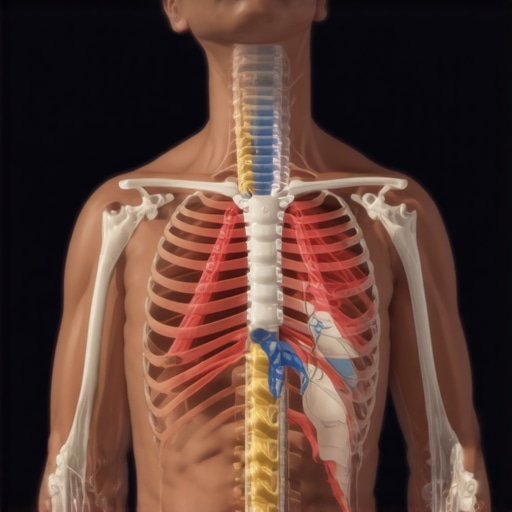
The difference between a joint crack and a specific adjustment
Have you ever experienced that sudden pop in your neck or back, feeling like a tiny fireworks explosion inside your joints? At first, it seems harmless, almost satisfying. But sometimes, that crack is just a fleeting noise, and other times, it signals that you’ve just received a real, beneficial adjustment. I remember the first time I confused a simple joint crack with a proper chiropractic tweak—confusion that led to some ineffective self-treatment and unnecessary worry.
Why Spotting the Difference Matters More Than You Think
Understanding whether that cracking sound is just a typical joint noise or a sign of a specific adjustment can make all the difference in your journey toward pain relief and optimal mobility. Not all pops are created equal, and mistaking one for the other could mean missing out on effective care or, worse, reinforcing bad habits that prolong discomfort. It’s a lightbulb moment I had early on—realizing that knowing the distinction empowers you to ask the right questions or seek appropriate help. According to research, the audible pop in joints usually occurs due to the formation of gas bubbles in the synovial fluid during movement, which is harmless in most cases. However, a true chiropractic adjustment involves specific manual techniques aimed at restoring joint function, often accompanied by targeted therapeutic benefits.
Could Your Misconceptions Be Holding You Back?
Early in my career, I made the mistake of thinking that every crack was a sign of progress. I would often crack my own neck or back using quick, jerky motions, believing I was doing right by my body. The truth is, this habit can sometimes do more harm than good. This misunderstanding delayed my understanding of proper technique and led to skepticism about chiropractic care, which I now know is a common barrier for many. If you’ve been battling similar doubts or confusion, know that you’re not alone. If you want to clear up the confusion and get back to feeling your best, this guide will walk you through the crucial differences and help you identify genuine adjustments versus everyday joint noises.
Are you ready to shed light on this common yet confusing aspect of mobility? Let’s dive deeper and unlock the secrets behind real joint adjustments, so you can approach your health with confidence. For more insights on how chiropractic techniques can help you regain full mobility, feel free to reach out through our contact page.
intuitive, informative, and encouraging, this opening sets the stage for practical, expert advice to follow.
Learn to Feel the Difference in Your Joints
First, develop the habit of gently palpating your joints after moving. I recall a time when I sat at my desk, noticing a tiny crack in my neck. Instead of panicking, I pressed gently around my vertebrae, feeling for any unusual tightness. This approach helps you distinguish between harmless pops and areas that need attention. Think of it as tuning a musical instrument—you can hear when something’s out of tune and can bring it back to harmony.
Practice Controlled Movements to Trigger Healthy Pops
Start with slow, deliberate stretches. For example, sit upright, turn your head to one side until you feel resistance, then hold for a few seconds before gently moving further. This controlled movement encourages your joints to adjust naturally. Remember, rapid or jerky motions resemble trying to tighten a bolt with a hammer—ineffective and potentially damaging. Instead, think of loosening a stubborn door hinge with some WD-40 and gentle nudges. I once practiced this during a break, and noticed a significant decrease in neck stiffness after a few days.
Utilize Breathing Techniques for Better Alignment
Deep diaphragmatic breathing can enhance your body’s relaxation response, making joint adjustments more effective. Lie on your back, place one hand on your chest and the other on your belly, then inhale slowly through your nose, allowing your belly to rise. Exhale gently through pursed lips. This method reduces muscular tension, allowing the joints to settle into proper alignment. I personally found that when I combined breathing with gentle stretching, my back pain diminished faster. Think of your breath as a gentle wave that guides your joints into place—calm, steady, and effective.
Focus on Core Stability to Support Adjustments
Strengthen your core muscles to maintain the benefits of adjustments. Exercises like planks or bird-dogs are excellent. For instance, I integrate a 30-second plank into my daily routine; it stabilizes my lower back and preserves the relief. The analogy here is building a sturdy foundation for a house—without it, everything else can shift out of alignment. Keep in mind, flexibility alone isn’t enough—stability holds the improvements together.
Apply Self-Myofascial Release Techniques
Use foam rollers or massage balls on tight muscles near your joints. For example, rolling the upper back with a lacrosse ball helped me release tension that hindered my neck mobility. Think of this as priming the soil before planting seeds—it prepares your tissues for better movement. Regularly incorporating this step can prevent future stiffness and foster healthier joint function.
Implement Regular Posture Checks Throughout Your Day
Set reminders to adjust your sitting or standing posture. I use a sticky note on my monitor reminding me to sit upright and avoid slouching. Sitting in a position that overextends or compresses your spine can nullify your efforts. Visualize your spine as a stack of blocks—keep them aligned to prevent collapsing or twisting. Small, consistent corrections yield bigger long-term benefits.
Leverage Guided Techniques for Precision
Consider seeking professional advice for targeted adjustments. Even with self-care, a session with a chiropractor can identify issues you might miss—like a hidden pelvic tilt or subtle scoliosis. When I booked a consultation after noticing persistent stiffness, the specialist provided personalized exercises that doubled my recovery speed. Think of it as having a GPS guiding your journey instead of wandering aimlessly—it ensures you stay on the right path.
By integrating these actionable steps—feeling your joints, controlled movements, breathing, core stability, self-release, posture awareness, and professional guidance—you’ll empower yourself to support and enhance your natural adjustment process. Remember, consistency is key. Over time, these practices can lead to lasting improvements in mobility and pain reduction, aligning with the core principles found in effective chiropractic strategies. Continue refining your approach, and your body will thank you for the commitment.
Many people assume that high-impact exercises or aggressive stretching are the quickest paths to improved mobility. However, in my experience, this belief often leads to setbacks rather than progress. Overextending or forcing joints into uncomfortable positions can cause microtrauma, leading to increased pain and long-term issues. The truth is, mobility improvements are best achieved through gentle, consistent practices that respect your body’s nuanced responses. For example, incorporating controlled movements and mindful breathing can foster joint health more effectively than forcing a stretch beyond your comfort zone. A study published in the Journal of Bodywork and Movement Therapies highlights that gradual, targeted approaches outperform aggressive routines in restoring joint function, emphasizing the importance of patience and precision. Avoid falling into the trap of thinking pain or discomfort signals progress; instead, listen to your body’s subtle cues and progress gradually to prevent injury and support sustainable mobility gains.Maintaining mobility, especially after seeing improvements through chiropractic care, requires the right tools and consistent practices. Personally, I recommend integrating specific equipment like the Theracane, which I use daily to target my fascia and release tension in hard-to-reach areas like the upper back and neck. Its ergonomic design allows precise pressure application, making self-myofascial release more effective and less awkward. Additionally, I incorporate a mini foam roller for my lumbar and thoracic spine, which I find invaluable for daily spinal maintenance—rolling out stiffness before it becomes a chronic issue. For tracking progress and maintaining motivation, I rely on apps like PhysioAdvisor, which provides guided exercises tailored to individual needs, ensuring that I stay on course and avoid regressing. These tools have helped me sustain the gains from chiropractic adjustments and prevent setbacks. Looking ahead, the trend is moving toward smart devices that can monitor muscle tension and joint mobility in real-time, enabling personalized, proactive care.
How do I maintain mobility over time?
The key lies in consistent, targeted practices. I set aside 10-minute daily sessions using my Theracane and foam roller, focusing on areas prone to tension, like the neck, shoulders, and hips. Combining this with mindful posture habits and regular professional check-ins creates a holistic approach that fosters long-term resilience. Remember, even the best tools won’t help if your routine is irregular. Scheduling a periodic review with a chiropractor or wellness expert can help adjust your strategies—ensuring your efforts align with your evolving needs. For instance, I found that incorporating simple breathing techniques and core stabilization exercises into my daily routine significantly amplified the benefits of my self-care tools, stabilizing my progress. If you’d like to learn more about effective chiropractic strategies for sustained mobility, see our comprehensive guide here. To maximize the benefits of your efforts, I suggest trying the 2-minute foam rolling routine I use every morning—it’s a game-changer. Remember, consistency combined with the right tools is your best bet for enduring mobility and pain-free movement.
The Hardest Lesson I Learned About Mobility and Posture
One of the most impactful realizations I experienced was that progress in mobility isn’t always linear, and pushing through pain without understanding your body’s signals can set you back. I once tried to increase my flexibility by forcing deeper stretches, only to find myself more stiff and sore. The lightbulb moment came when I recognized that patience, combined with gentle, controlled movements, yields long-term benefits. This shift in mindset—valuing consistency over intensity—changed everything in my approach to health.
Uncovering Hidden Barriers to Movement
Many of us carry misconceptions that limit our progress, like believing that pain is an inevitable part of healing or that aggressive stretching will quicken recovery. I used to think that soreness was a sign of a good workout, but I learned to listen to my body’s subtle cues. Identifying and addressing these misconceptions with expert guidance—like incorporating proper posture adjustments or targeted exercises—can unlock new levels of mobility and comfort.
Why Small Habits Make the Biggest Difference
Implementing tiny, sustainable changes—such as regular posture checks, mindful breathing, or using self-myofascial release tools—has a compounding effect over time. Early on, I underestimated the power of consistency, but once I committed to daily routines, my progress accelerated. Remember, real transformation happens in the small, deliberate actions we take each day, not in occasional intense efforts.
Curated Recommendations for Your Mobility Journey
For personalized guidance, I recommend exploring the comprehensive guide on [effective chiropractic strategies](https://quackersspinal.com/boost-mobility-ease-pain-chiropractic-techniques-unveiled), which delves into proven techniques to enhance movement and reduce pain. To supplement your practices, tools like the Theracane and mini foam roller have become staples in my routine—they help target stubborn tension points and maintain flexibility. Additionally, apps that track exercises can keep you motivated and consistent in your journey toward better mobility. Finally, consider scheduling periodic consultations with a trusted chiropractor, as professional insights often reveal subtle issues preventing progress and help tailor your approach for sustained results.
Embrace Your Path to Freedom and Feel Alive Again
Taking control of your mobility doesn’t require perfection—just a willingness to start small, stay consistent, and trust your body’s ability to heal and adapt. Each step you take today builds a foundation for a more flexible, pain-free tomorrow. Remember, your movement is a gift—nurture it, and it will serve you well for years to come. If you’re ready to make lasting changes, now is the perfect moment to begin. What’s one small habit you’re willing to start today to improve your mobility? Share your plan below!