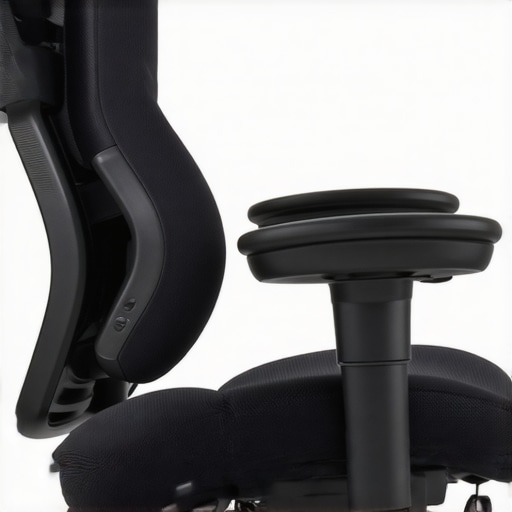
The simple trick to sit in a kitchen chair without back fatigue
I remember the moment vividly—after a long day, I finally sat down at my kitchen table, only to be overwhelmed by a dull, nagging back ache. It was almost daily then. No matter how comfortable I thought my chair was, my lower back felt like it was screaming for relief within minutes. That lightbulb moment hit me hard: I realized I had been sitting all wrong, even in my own home. If this sounds familiar, you’re not alone. Many of us struggle with back fatigue during simple tasks like sitting in the kitchen, unaware that a tiny adjustment can change everything.
Why Sitting Properly Matters More Than You Think
Sitting correctly isn’t just about comfort—it’s a crucial factor in preventing long-term back problems. Poor posture while seated can lead to nerve compression, muscle strain, and even chronic pain. I used to brush off my discomfort as normal, but I learned that small tweaks can make a huge difference. In fact, studies show that maintaining proper spinal alignment helps reduce back pain and improves overall mobility. Improving how we sit at home can be as impactful as visiting a chiropractor—without the hefty appointments.
Is Fixing My Sitting Posture Really Worth the Effort?
Early on, I made the classic mistake of thinking that a quick change wasn’t necessary. I believed that just sitting as I always did was fine—that is, until I felt the constant ache settle in. Once I realized that my bad habits were silently sabotaging my back health, I committed to small, intentional changes. These tiny adjustments didn’t just relieve immediate discomfort; they also prevented future issues. If you’re skeptical, remember that even the tiniest misalignment can cause a cascade of pain, as confirmed by research on postural habits and spine health. For more insights on back pain management, check out [this guide](https://quackersspinal.com/understanding-back-pain-a-guide-to-better-posture-and-mobility), which explores how posture directly influences your comfort.
Now, with that foundational understanding, let’s dive into the specific trick that transformed my sitting experience—and can do the same for you.
Adjust Your Chair for Optimal Support
Start by ensuring your chair supports your lower back properly. Sit back fully, and use a lumbar roll or a folded towel at the curve of your spine to maintain natural alignment. I once used a rolled-up towel, which instantly relieved my lower back pressure while working at my kitchen table, making a noticeable difference within minutes.
Set Your Screen and Desk at Eye Level
Position your monitor or device so that the top line is at eye level. This prevents you from leaning forward or looking down, which strains your neck and upper back. I experimented with stacking books under my laptop, which significantly reduced neck tension after just a few days.

Learn to Sit with Your Pelvis Locked
Think of your pelvis as a hinge. Sit so that your hips are open and aligned with your shoulders. Avoid slouching or shifting your weight forward. I practiced this by consciously tightening my core muscles, like preparing for a gentle abdominal crunch—this kept me upright and reduced fatigue while cooking.
Engage Your Core Regularly
Maintaining a mild abdominal contraction supports your lower back. It’s like bracing your core before lifting something heavy. During one dinner prep, I paused to tighten my stomach muscles for 10 seconds, which prevented my lower back from aching later.
Use Foot Support and Avoid Crossed Legs
Keep your feet flat on the floor or on a footrest. Crossing your legs can tilt your pelvis and disrupt spinal alignment. I found that placing a small stool under my feet made long periods of sitting more comfortable, helping me avoid slouching.
Take Frequent Breaks to Move and Stretch
Stand up and stretch every 30 minutes. Specially target your back, neck, and hips. Even a quick two-minute routine, like the glute squeeze or gentle spinal twists, recharges your posture. I incorporated a simple stretch where I gently arch my back while standing, which instantly alleviated stiffness.
Incorporate Micro-Adjustments Throughout the Day
Small shifts, like rolling your shoulders back or adjusting your seated position slightly, help prevent your muscles from becoming rigid. I noticed that paying attention to these tiny tweaks over multiple hours prevented the usual discomfort associated with prolonged sitting.
Seek Expert Guidance When Needed
If persistent pain or discomfort continues despite these adjustments, consider consulting a professional. Chiropractic strategies like those detailed in this guide can offer personalized solutions to restore your mobility and prevent future issues.
Many people believe that consistent pain indicates a straightforward issue that can be fixed with rest or over-the-counter remedies. However, as an expert in spinal health, I can tell you that this mindset often misses the complex nuances behind chronic discomfort. For instance, a common myth is that all back pain originates solely from a muscle strain or a slipped disc. In reality, postural imbalances, nerve sensitization, and even subconscious movement habits play significant roles, often going unnoticed by mainstream advice. An advanced mistake many make is assuming that pain always correlates with visible injury; research suggests that early pain can be rooted in neural hypersensitivity rather than structural damage, leading to misdiagnosis or unnecessary interventions.
Why do some patients continue to experience pain even after conventional treatments?
This phenomenon, known as central sensitization, involves the nervous system becoming overly reactive and amplifying pain signals, often perpetuating discomfort despite tissue healing. Recognizing this requires a deeper understanding of neurologic contributions, and treatments must extend beyond just physical adjustments to include central nervous system modulation. For example, protocols integrating neuroplasticity principles have shown promising results in retraining the brain’s response to pain, as evidenced by recent studies published in pain management journals. If you’re interested, exploring how chiropractic care can support this process is explained in detail at this resource. Another critical nuance involves the role of habitual movement patterns. Many develop unconscious tightness or imbalance over years—think of muscles that become perpetually overactive due to poor ergonomics or stress. Micro-movements and subtle postural habits can significantly influence overall mobility, often more than obvious injuries. Addressing these requires a combination of precise adjustments and behavioral awareness training. For example, integrating specialized chiropractic techniques can recalibrate your spinal alignment, which you can learn more about at this guide. Lastly, beware the trap of relying excessively on passive treatments like massages or heat pads without active engagement. While they provide temporary relief, neglecting to incorporate active exercises or ergonomic modifications often leads to recurrent issues. Enhancing your mobility isn’t just about soft tissue work but involves intelligent movement strategies and strength training tailored to your specific needs. To help you get started, check out this overview of movement-based strategies. Remember, understanding these advanced nuances can help you avoid common pitfalls and set the stage for lasting relief. Have you ever fallen into this trap? Let me know in the comments.Maintaining a healthy back and enhancing mobility requires more than just awareness; it demands the right tools and routines that work for your unique needs. One of my favorite devices is the ergonomic lumbar support pillow, which I personally use during long hours at my desk. It provides targeted support to the natural curve of the lower spine, preventing slouching and muscle fatigue. I especially recommend the Mesh Office Chair Lumbar Support, as it’s adjustable and easy to incorporate into any seating arrangement. Additionally, incorporating foam rollers designed specifically for spinal release, like the TriggerPoint GRID Foam Roller, has transformed my recovery routine. I use it after stretching sessions to help release tight muscles in the back and hips, which directly improves my overall mobility. When it comes to software, I rely on posture reminder apps like Upright or Lumo Lift; they gently alert me when I’ve been sitting in poor posture for too long, promoting better habits over time. As technology evolves, I predict a future where wearable devices will seamlessly monitor biomechanical metrics, offering real-time feedback and tailored exercises to optimize spinal health. So, how do I maintain my back health over time? The key lies in consistency—regularly using the right tools, performing targeted exercises, and seeking professional guidance when necessary. For instance, I schedule monthly chiropractic check-ins, which are pivotal for addressing misalignments before they escalate. I also emphasize movement quality, not just quantity, refining my technique with resources like the comprehensive guide on restoring back mobility—check it out [here](https://quackersspinal.com/restore-your-back-mobility-proven-chiropractic-strategies). If you’re serious about sustaining your mobility, I highly recommend integrating targeted tools into your routine today. Start with a supportive lumbar pillow during your workday and set reminders to reset your posture regularly. Small, consistent steps like these accumulate into long-term benefits, making pain relief and mobility improvements achievable. Remember, the right combination of equipment and habits can set the foundation for enduring spinal health. Don’t wait for pain to become unbearable—try one of these tools and see how your body responds. Your back will thank you.
Over years of personal practice and guiding others, I discovered that the journey to back health is filled with subtle truths that many overlook. One vital lesson is that consistent, mindful adjustments—even tiny ones—are the cornerstone of long-term mobility. I learned this firsthand when a small daily routine transformed my back’s resilience, proving that persistence trumps quick fixes.
Another insight is that genuine progress often arises from understanding your unique body patterns. Generic advice can only take you so far; truly effective strategies are tailored to your specific habits and biomechanics. Recognizing this helped me avoid setbacks and stay motivated on my path to back wellness.
The most profound lesson came from embracing patience. Real healing is a gradual process, one built on small victories and ongoing habits. When I stopped chasing instant results and committed to steady improvement, I experienced sustainable relief rather than fleeting comfort. This mindset shift is crucial for anyone serious about lasting back health.
Curated Tools That Made a Difference in My Back Journey
One tool I swear by is the ergonomic lumbar support pillow. It offers tailored support that encourages proper alignment throughout the day, something I found invaluable during long work sessions. Additionally, the chiropractic techniques I learned from trusted professionals provided personalized adjustments that addressed my specific imbalances. Foam rollers like the TriggerPoint GRID Foam Roller became my recovery staple, releasing tight muscles and enhancing my flexibility. And for daily reminders, apps like Lumo Lift kept me conscious of my posture, helping me build new habits effortlessly. These tools, combined, created a holistic system that empowered me to maintain lasting mobility.
Your Next Step Begins Now
Remember, the path to back health is uniquely yours—and it’s just waiting for you to take that first step. Whether it’s integrating a supportive lumbar pillow into your daily routine or scheduling that first professional check-in, every small move counts. Your back’s potential for comfort and mobility is within reach, and embracing these insights can make all the difference. The time to act is now—your future, flexible self will thank you for it.