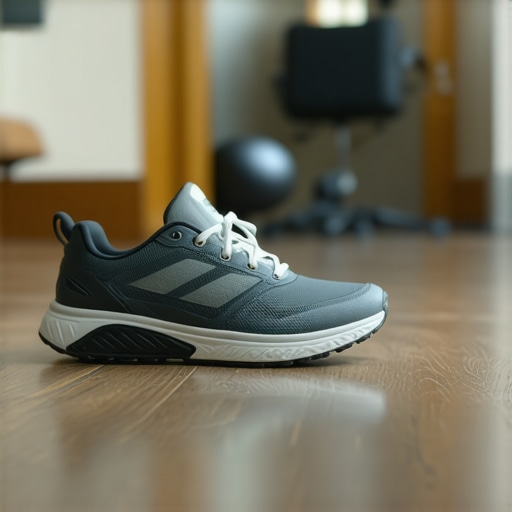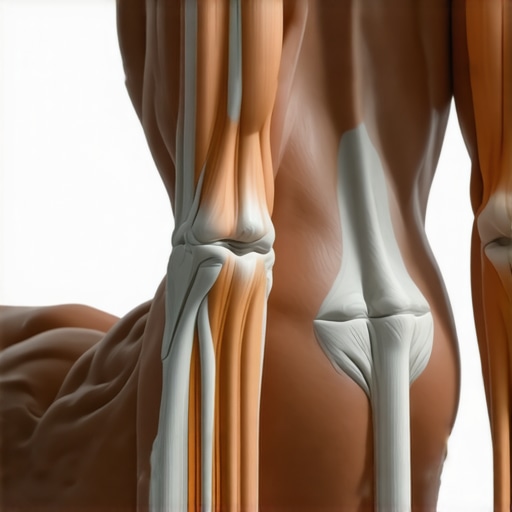
How to transition to a barefoot shoe without back pain
It hit me one morning, as I struggled to get out of bed—my lower back protested loudly, stiff and sore after just a few steps. I had been eager to embrace barefoot shoes, thinking they would give me better mobility and support my natural foot anatomy. But instead of feeling liberated, I was facing persistent pain that seemed to get worse with each attempt. That realization was a lightbulb moment—something I had overlooked in my enthusiasm.
Why Moving to Barefoot Shoes Can Be a Game-Changer—and Exactly How to Do It Safely
Not everyone talks about the setbacks you might face when transitioning to minimalist footwear, especially if back pain is already part of your daily struggle. I learned this the hard way, making early mistakes like suddenly dropping all my supportive shoes and rushing into barefoot styles without preparing my body. The result? An aggravated back that needed more than a quick fix.
Now, I want to share what I’ve discovered—that with the right approach, you can switch to barefoot shoes without ending up on a chiropractic table. Whether you’re simply curious or already experiencing discomfort, understanding the necessary steps can save you time and pain. And trust me—your spine will thank you.
Is Barefoot Better, or Is the Hype Overblown?
Many skeptics believe barefoot shoes are just a craze with no real benefits. Early on, I made the mistake of dismissing the importance of gradual transition, thinking I could adapt overnight. That was a mistake. Experts warn that sudden changes can cause more harm than good, especially for those with existing back issues. For a deeper understanding of how to empower your back health during this transition, consider reading about proven chiropractic strategies, like those found [here](https://quackersspinal.com/revitalize-your-mobility-proven-strategies-for-back-pain-relief).
Through my journey, I realized that patience and proper technique are essential to making barefoot shoes work for you—without causing pain or setbacks. Are you facing similar struggles? If so, let’s dive into the practical steps that helped me—and can help you—make a smooth, pain-free transition.
Start Slow and Set a Foundation
Remember when I impulsively tossed all my supportive shoes and rushed into barefoot styles? The result was a setback with increased back pain. To avoid this, begin with short walks on even surfaces, wearing your new minimalist shoes for just 5-10 minutes daily. Gradually increase duration over weeks. This gradual adaptation allows your muscles and tendons to strengthen without overloading your spine or causing discomfort.
Listen to Your Body Carefully
While transitioning, pay close attention to signals from your back and legs. A common mistake is ignoring warning signs like tingling or soreness. If pain sharpens or persists beyond a day, scale back immediately. Use pain as a guide to adjust your pace. This mindset aligns with chiropractic hacks that emphasize respecting your body’s limits during recovery.
Incorporate Foot Strengthening Exercises
Building strength in your feet is crucial for a successful transition. I recommend starting with simple toe curls and arch squeezes, performed barefoot, for 2-3 minutes twice daily. These strengthen intrinsic foot muscles, which, like the foundation of a building, support overall alignment and prevent strain on your lower back. I personally practiced heel raises on a step, feeling my calves and arches engage, noticing improvements in balance and back comfort over two weeks.
Use Proper Technique During Activities
Every movement counts. When I began mindful walking on uneven terrains, I focused on landing softly with the midfoot, reducing impact vibration up to the spine. Think of your foot as a shock absorber—landing on the heel or toes alone can increase stress. To enhance your technique, consider chiropractic care tips that teach proper gait and movement patterns, ensuring your spine remains aligned.
Address Posture and Spinal Alignment
Transitioning barefoot naturally improves posture, but only if you maintain awareness. During my practice, I set tripod-like awareness of my head, shoulders, and hips, ensuring they stayed in equilibrium. Poor posture, like slouching, can negate the benefits of minimalist shoes. For targeted corrections, explore chiropractic strategies that fine-tune spinal alignment, reducing strain and back pain.
Daily Mobility and Flexibility Routines
Incorporate stretches such as cat-cow and hip openers to keep your muscles supple. I personally added a few minutes of thoracic rotations and hamstring stretches every morning, which noticeably decreased stiffness and supported my back during the barefoot transition. Consistency in these routines prevents compensatory movements that could exacerbate pain, echoing advice from mobility tips.
Be Patient and Track Progress
Change doesn’t happen overnight. I kept a journal, noting sensations, durations, and any discomfort. Over months, my back pain lessened, and my gait became more natural. This tracking not only boosts motivation but also helps identify patterns or problematic activities, aligning with back pain relief strategies that advocate measurable progress.
Many people assume that persistent back and neck pain are solely caused by injuries or poor posture, but this oversimplification can be misleading. One common misconception is that pain always signals a need for more rest or immobilization—that rest cures everything. However, evidence suggests that controlled movement and targeted chiropractic interventions often yield better long-term results, as highlighted in recent research on spinal health. Additionally, some believe that pain is purely mechanical; yet, chronic discomfort can have neurological and inflammatory components that require a nuanced approach.Overlooking these complexities can lead to advanced mistakes, such as rushing into aggressive treatments without proper diagnosis, which may exacerbate issues or cause new problems. For instance, **misdiagnosing nerve issues as muscular strain** can delay effective care and prolong suffering. It’s crucial to consider all aspects of spinal health and avoid the trap of one-size-fits-all solutions. This is why I emphasize comprehensive assessments and personalized strategies, from careful chiropractic adjustments to mobility exercises, to address the root causes—not just symptoms. Recall that studies, like those published in the Journal of Manipulative and Physiological Therapeutics, affirm that targeted chiropractic care can improve mobility and reduce pain more effectively than passive treatments alone. So, next time you encounter persistent discomfort, challenge the myths, and seek a nuanced, expert evaluation. Have you ever fallen into this trap? Let me know in the comments.Maintaining your back, neck, and overall mobility over the long term requires the right tools and consistent effort. Personally, I rely heavily on targeted equipment like the foam roller, which I use daily to release tension in my thoracic spine. When used correctly, a foam roller can break up adhesions and improve flexibility, preventing those stubborn knots that often lead to discomfort. I recommend the small, dense foam rollers because they provide focused pressure without excess softness that delays deep tissue release. I also incorporate resistance bands for gentle strengthening exercises that promote spinal stability, such as banded pull-aparts and dislocates, which help in reinforcing proper posture during daily activities.
For software, I often turn to mobility tracking apps that log pain levels, movement routines, and improvements. This data helps identify patterns—like certain exercises that trigger discomfort or days when mobility feels worse—so I can adjust my routine proactively. Digital tools like the MyFitnessPal app have also been instrumental for maintaining ergonomic work setups, reminding me to adjust my desk or take breaks before stiffness sets in.
Looking ahead, I predict wearable technology and smart sensors will bring even more precision to spinal health. Devices embedded in clothing or worn as accessories could monitor posture continuously, alerting you when you’re slipping into habits that strain your spine. This integration will make long-term maintenance more intuitive and personalized.
How do I maintain my mobility routine over time? If you’re wondering how to keep these tools beneficial in the long run, the secret is consistency paired with periodic reassessment. Regularly updating your exercise plan based on progress and setbacks ensures you avoid plateaus. Scheduling quarterly check-ins with a chiropractor or physical therapist can help reset your baseline, especially if you’ve been experiencing flare-ups or setbacks. Plus, incorporating mobility-friendly habits into your daily life—like mindful posture during long work hours or conscious movement during household chores—cements these benefits.
For in-depth strategies, consider exploring proven chiropractic techniques for back pain relief. Remember, tools are only effective if used correctly. My best tip: dedicate five minutes daily to foam rolling your thoracic spine, paying attention to areas of tightness. This small investment yields significant benefits over time.
What Hidden Truths Did My Back Pain Reveal About Movement
Initially, I believed that switching to barefoot shoes would instantly boost my mobility, but my experience taught me that real change requires understanding the intricacies of spinal health. I realized that my back was a sign—showing me that proper progression and listening to my body are essential for sustainable results. Sometimes, what seems like a simple switch uncovers deeper imbalances that demand attention.
My Top Resources That Gave Me Clarity on Back and Neck Health
One tool I trust immensely is the comprehensive back mobility strategies guide. It provides practical, science-backed exercises tailored for long-term relief. Additionally, consulting chiropractic insights transformed my understanding of spinal alignment. For those ready to dig deeper, books like “Healing Back Pain” by John Sarno opened my eyes to the power of mental retraining alongside physical therapy. These resources are my personal cornerstones in ongoing spinal health.
Moving Forward: An Invitation to Embrace Your Body’s Potential
Remember, your back and neck are more adaptable than you might think. Every mindful step you take—be it in footwear or daily habits—brings you closer to pain-free mobility. Don’t shy away from learning and experimenting; progress often hides behind patience and perseverance. Your journey to spinal wellness is uniquely yours, so celebrate small victories and stay committed to ongoing care.