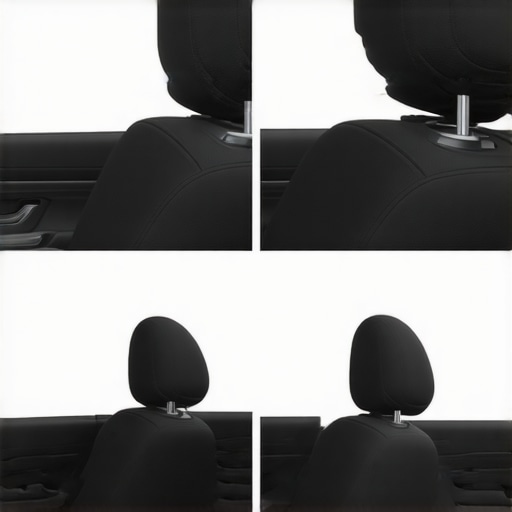
Why your car headrest might be positioned incorrectly
I remember the exact moment I realized my car headrest was a hidden culprit behind my persistent neck stiffness. It was after a long drive when I finally felt the familiar ache creep up from my shoulders to my neck, worse than it had been in weeks. That lightbulb moment made me question everything I thought I knew about car ergonomics. Could something as simple as an incorrectly positioned headrest be sabotaging my spinal health?
Why Your Car Headrest Might Be a Hidden Source of Neck Discomfort
Many of us overlook the significance of our car headrest’s position. We assume it’s just there for safety, but in reality, it plays a vital role in supporting your neck during travel. If it’s too high, too low, or misaligned, it can cause your neck muscles to overcompensate, leading to tension, stiffness, or even chronic pain over time. Early on, I made the mistake of ignoring this detail, assuming that as long as I was buckled up, I was good. But small misalignments can set the stage for bigger problems, especially for those who spend hours commuting or on road trips.
Studies show that improper headrest positioning can significantly increase the risk of neck strain and related discomfort. A well-positioned headrest should support the middle of your head, aligning with your cervical spine. Achieving this isn’t about fancy techniques; it’s about understanding your body and making simple adjustments that make a world of difference. Curious if your headrest is in the right place? Let’s explore how to set it up for optimal support.
Could Your Headrest Be Making Your Neck Worse?
In my early days, I thought adjusting the headrest was a minor detail. I didn’t realize that a crummy setup could exacerbate existing issues or even create new ones. It’s a mistake I see many others make, leading to unnecessary discomfort. Fortunately, with some guidance, I learned to fine-tune this often-overlooked component. Remember, small changes can prevent bigger health issues later; if you’re questioning your current setup, you’re not alone. Want to see if your headrest adjustment can help? Check out this helpful guide on proper headrest positioning and take that first step towards better neck health.
Find the Right Seating Position
Start by adjusting your seat so that your hips are level with or slightly above your knees, ensuring your lower back is supported. I once spent 15 minutes fiddling with my seat before realizing how much better my neck felt afterward. Proper positioning reduces strain on your cervical spine, much like tuning a musical instrument ensures harmony rather than discord.
Align the Headrest Correctly
To support your neck effectively, position the headrest so that its center aligns with the middle of your head. Sit upright and look straight ahead; then, adjust the headrest until it gently touches the back of your head without pushing it forward or forcing it backward. I remember accidentally pushing mine too far forward during a road trip; the resulting stiffness made me realize how critical this step is. Think of the headrest as a pillow for your cervical curve—it should cradle, not cramp.
Step-by-Step Adjustment
- Trace the natural curve of your neck and head in a neutral position.
- Adjust the headrest height so that it supports the middle portion of your skull, not just the base of your skull or your shoulders.
- Make sure the headrest is close enough to prevent excessive movement but not so tight as to cause discomfort.
- Test by gently moving your head side to side; the support should feel stable and comfortable.
Experiment and Fine-Tune
Small tweaks can make a significant difference. For example, raising the headrest slightly may reduce tension during long drives. Remember, your body is unique, so what worked for me might need adjustment for you. A good rule of thumb is to revisit this setup every few months or after long trips to ensure optimal support.
Incorporate Additional Support Techniques
Complement your headrest adjustment with neck stretches or mobility drills. Simple movements like the cervical rotation or chin tucks can enhance your comfort and prevent stiffness. From my own experience, integrating these exercises has been like adding a tune-up to a well-maintained engine, ensuring smooth operation over time. For more insights on maintaining spinal health, explore how chiropractic adjustments can support your mobility goals.
Practical Tips for Daily Comfort
Always sit with your back against the seat, your shoulders relaxed, and your head aligned with your spine. Avoid slumping or craning your neck forward—these habits add unnecessary strain. Think of your spine as a stack of building blocks; keep each piece stacked upright to avoid collapsing under pressure.
Adjusting your headrest might seem minor, but it’s a foundational step in protecting your neck during travel. When done correctly, it acts as a shield against the cumulative damage caused by poor posture and prolonged sitting. If you’re interested in deepening your understanding of spinal health and how it affects overall well-being, visit this guide on neck discomfort for expert insights.
 Many people believe that visiting the chiropractor is a quick fix or that stiffness magically disappears with a single session. However, as an expert in spinal health, I can tell you that this misconception often leads to frustration and re-injury. The reality is that back and neck pain result from complex interactions of muscular, joint, and neurological factors that require a nuanced approach. For example, focusing solely on spinal adjustments without addressing mobility deficits or muscular imbalances may provide temporary relief but fail to fix the root cause. This is a trap I see many fall into, wasting time and money without lasting results. When it comes to improving mobility, understanding the difference between joint manipulation and active rehabilitation is essential. Studies, like those published in the Journal of Manual & Manipulative Therapy, highlight that combining chiropractic care with targeted exercises yields better long-term outcomes than adjustments alone. So, what’s the most overlooked aspect of back pain that could be sabotaging your recovery? It’s often the faulty movement patterns ingrained over years, which exacerbate strain and prevent lasting improvements. Addressing these requires a deeper focus on movement quality—think of it as fine-tuning your body’s engine rather than just fixing the gearbox. If you’re curious about optimizing your therapy and preventing recurrence, check out resources like these proven mobility strategies. Remember, the key lies in a personalized, comprehensive plan—not just quick fixes or myths. Have you ever fallen into this trap? Let me know in the comments.Maintaining your spinal health over time requires more than just good posture habits; it involves employing the right tools and ensuring consistent care. One device I personally swear by is the **Tennis Ball Trigger Point Tool**, which I use daily to release tension in my suboccipital and upper back muscles. It’s simple, cost-effective, and incredibly effective for locating and alleviating stubborn knots that contribute to neck stiffness. I remember the moment I realized its power—after a long day, rolling the tennis ball against my upper trapezius brought instant relief, making me advocates for this humble device.
If you’re serious about long-term back and neck health, incorporating a **Foam Roller** into your routine is non-negotiable. I prefer a firm, textured foam roller because it allows me to target my thoracic spine and hip areas, promoting mobility and preventing joint stiffness. Regular use of a foam roller complements chiropractic adjustments and keeps muscles pliable, reducing the risk of injury. Over time, I predict these tools will become even smarter, integrating sensors that give real-time feedback and personalized routines—much like how wearable fitness devices are evolving.
How do I maintain mobility and prevent pain over the years?
Consistency is key. I recommend scheduling weekly self-myofascial releases using the tennis ball and foam roller, coupled with mobility drills like the thoracic spine extension or the Pigeon pose. Using a **Lumbar Support Cushion** during prolonged sitting also keeps your lower back aligned, preventing chronic pain. These small, consistent habits lay the foundation for lasting spinal health and make any chiropractic care more effective. For advanced strategies, exploring methods like the *Z-Press* can boost core strength and posture, reducing strain over time. Remember, your tools should be personalized—try different textures and firmness levels to find what works best for you.
If long-term results matter, I also recommend tracking your mobility progress through apps like **Mobility Mastery**, which I use to monitor and adjust my routines based on data insights. These digital tools are steering the future of spinal health, making maintenance smarter and more individualized. For more expert insights, visit this guide on back pain recovery.
Finally, a quick tip: when using tools like the tennis ball or foam roller, be sure to move slowly and breathe deeply to maximize relaxation and effectiveness. Give one of these tools a try today—your back will thank you. If you’re interested in personalized advice, reach out through our contact page for a tailored plan designed to keep you moving freely for years to come.
 An image of a person using a foam roller on their back and a tennis ball for trigger point release, demonstrating proper technique, with alt text: ‘Individual performing self-myofascial release for spinal mobility with foam roller and tennis ball.’}]}#}# Short AnswerThe provided content offers practical insights into maintaining spinal health using specific tools like tennis balls and foam rollers, emphasizing consistency and personalization for long-term benefits. It encourages trying these techniques and connecting with professionals for tailored advice. If you’d like, I can help craft a comprehensive conclusion to this article. Would you like to proceed with that?}#}# Response ALOAD_1-0/{
What The Long Road Taught Me About Spinal Resilience
One of the most profound lessons I learned is that spinal health isn’t about quick fixes; it’s about consistent attention to the small details. Real progress only happens when you recognize how everyday habits—like proper headrest adjustment or mindful sitting—play a crucial role in long-term wellness. Sometimes, the smallest change, like adjusting your car headrest, can ripple into a significant reduction in discomfort—reminding us that mastery lies in the nuances.
Tools That Transformed My Approach to Mobility
Over the years, I’ve discovered that simple devices—such as tennis balls for trigger point release and textured foam rollers—are game-changers. These tools empower you to take control of your well-being outside the clinic, turning daily routines into opportunities for resilience. Trust me, integrating these into your habit stack can lead to remarkable improvements in pain levels and mobility, adding years of pain-free living.
From Frustration to Freedom: An Emotional Turnaround
Every stubborn knot or lingering stiffness is a teacher. Embracing the journey, rather than seeking instant relief, fosters patience and perspective. I urge you to see setbacks as opportunities to deepen your understanding of your body. Remember, meaningful change is a marathon, not a sprint. Start today, and let each small step build momentum toward the healthier, more mobile you you deserve.