The ‘Glute Bridge’ hack to stop using your lower back
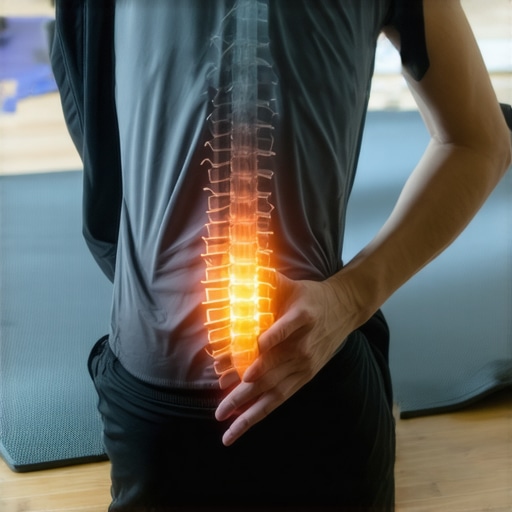
It was a morning like any other—a dreaded ache settled deep in my lower back. I had just finished a workout and stubbornly ignored the nagging discomfort, thinking I could push through. But as I got up from my chair later that day, a sharp twinge reminded me: my back wasn’t happy. That moment was a lightbulb for me. I realized I had been relying on my lower back to do the heavy lifting during exercises and daily movements, neglecting the power of my glutes.
The Wake-Up Call That Changed My Approach
Discovering the true role of my glutes was a game-changer. I learned that overusing my lower back not only caused pain but also risked long-term injury. That’s when I stumbled upon a simple but effective technique—using the glute bridge—a move that promises to help break this cycle. Today, I want to share how this hack transformed my approach and how it can do the same for you.
Is the Glute Bridge Really Effective or Just Hype?
Initially, I was skeptical. I had tried countless exercises, supplements, and therapies, only to find minimal relief. My biggest mistake early on was dismissing foundational movements because they seemed too simple. But I soon discovered that mastering these basics, like the glute bridge, is crucial. According to recent studies, activating and strengthening your glutes can significantly reduce strain on your lower back, promoting better posture and movement (source: Revitalize Your Mobility).
Do you often find yourself unwittingly relying on your lower back during workouts or daily tasks? If so, you’re not alone. Many overlook how crucial their glutes are in supporting spinal health. So, let’s explore how mastering this simple move can set you on the path to lasting relief and vitality.
Master Your Back with Targeted Strengthening
Start by lying on your back with knees bent, feet flat on the floor. Place arms by your sides. Engage your core, then lift your hips off the ground into a glute bridge. Think of it as pushing your hips upward like a spring releasing, activating your glutes and hamstrings. Maintain this position for a few seconds, then slowly lower back. Repeat for 10-15 reps. In my experience, focusing on controlled movement yielded noticeable improvements in my back stability and reduced discomfort. Consistency is key to retraining your muscles and alleviating reliance on your lower back during daily activities.
Refine Your Technique for Optimal Activation
Control Your Movement and Breathing
During each bridge, concentrate on slow, deliberate lifts and descents. Breathe steadily—inhale as you set up, exhale as you lift. This keeps your muscles engaged and prevents using momentum. I once rushed through a set, which led to minimal engagement and no progress. Emphasizing control made the difference, strengthening my glutes effectively and preventing strain.
Integrate Hip Mobility Drills
Complement strengthening with hip openers like the pigeon stretch or 90/90 hip rotations. Improving hip mobility unlocks proper movement patterns, making glute activation easier. For example, I incorporated a simple 1-minute hip twist before my glute bridges, which improved my range of motion and made exercises feel more natural. Remember, mobilizing the hips reduces overextension of the lumbar spine, offering better support for your back.
Build Consistency into Your Routine
Set aside 5-10 minutes daily for these exercises. Create a habit: perform your glute bridges first thing in the morning or during breaks. I found that sticking to a schedule helped my muscles adapt faster. Over time, this consistency reduced flare-ups and improved posture. Think of it as planting seeds daily—eventually, strong, pain-free activity becomes your new norm.
Monitor and Adjust Based on Feedback
Pay attention to how your body responds. If I experienced soreness or discomfort, I scaled back for a day or two, then resumed with lighter reps. Incorporate stretches like the ‘Child’s Pose’ or lumbar twists to release tension, especially after exercises. If your progress stalls or pain persists, revisit your form or consult resources like simple chiropractic hacks for tailored adjustments.
Layer in Functional Movements
Once you’re comfortable with the basics, add in movement patterns like step-ups or bridging with a resistance band. These mimic real-life activities and strengthen muscles in dynamic ways. For example, I integrated step-ups on a sturdy chair, simulating climbing stairs, which reinforced my glutes and improved my balance. These enhancements translate into better support during daily tasks and athletic pursuits.
Stay Mindful of Posture Throughout the Day
Beyond exercises, habitual good posture is vital. Set reminders to sit upright, avoid hunching, and keep your feet flat. Use the strategies for back recovery to ensure your environment supports healthy habits. I adjusted my workspace to promote better alignment, which reduced ongoing strain and kept my progress on track.
Many people believe that back pain is simply a matter of stiff muscles or a herniated disc, but as an expert in spinal health, I’ve seen how nuanced these issues truly are. One common misconception is that all pain relief must come from aggressive therapies like deep tissue massages or extended chiropractic adjustments. However, these can sometimes foster dependency, leading to a cycle where symptoms persist instead of resolve. A more effective approach involves understanding the subtle imbalances and mobility restrictions that often go unnoticed, which can be the real culprits behind chronic back issues. For example, inadequate hip mobility or subtle pelvic tilts may seem insignificant, but they significantly influence spinal stress over time. Two, many overlook the importance of foundational stability exercises—like the simple glute bridges discussed earlier—that strengthen support systems rather than just alleviating pain temporarily. Also, a common myth is that chiropractic care should be aggressive or solely manual; in reality, informed practitioners often incorporate gentle mobilizations and patient education, empowering your body to heal itself. Beware of the trap where patients delay addressing underlying movement patterns, risking long-term damage. Advanced mistakes include neglecting detailed assessments of movement quality, which can identify compensations that perpetuate pain cycles. For instance, a tiny asymmetry in hip function may cause the back to overcompensate, further aggravating discomfort. Experts like Dr. Stuart McGill emphasize the importance of tailored, movement-based interventions over generic stretching or cracking routines. For a nuanced understanding, consider exploring how mobility problems contribute to persistent pain and how smart chiropractic strategies can address these root causes. Dive into comprehensive resources like restoring your back mobility to learn how careful assessment and strategic exercises transform long-term outcomes. Have you ever fallen into this trap? Let me know in the comments.Maintaining your back health over the long term requires more than just occasional exercises; it demands the right tools and techniques to keep your body in optimal condition. One essential tool I personally rely on is a high-quality foam roller. Specifically, I prefer the **EB FreeFlex Foam Roller**, which features dense, durable foam that provides effective myofascial release without losing its shape. I use it regularly to target tight areas along my thoracic spine and hip flexors, preventing stiffness that can lead to pain. Additionally, I incorporate resistance bands like the **TheraBand CLX Set** for controlled strength training and mobility drills, helping me strengthen supporting muscles and enhance joint stability.
For tracking progress and ensuring proper form, I recommend a **smart mirror** like the **Mirror** or the **Forme** device. These allow real-time feedback during exercises and are invaluable for correcting techniques that might otherwise reinforce poor movement patterns. I personally appreciate the **Mirror** for its extensive library of guided routines tailored to back and neck health, making daily maintenance both effective and engaging.
In my practice, consistent use of **digital mobility apps** such as **MobilityWOD** has been a game-changer. These apps provide customized routines focusing on posture correction, joint flexibility, and active mobility—areas critical for long-term back health. I integrate these routines into my daily schedule, breaking up prolonged sitting periods and reinforcing healthy movement habits.
Looking ahead, I predict that advancements in wearable technology will revolutionize how we maintain spinal health. Smart posture trackers integrated into clothing or accessories can give instant feedback, encouraging proactive adjustments throughout the day. As these tools become more affordable and accurate, they will empower individuals to stay on top of their mobility goals with minimal effort.
How do I keep my back healthy and functional as I age?
To sustain spinal mobility and strength over time, I focus on proactive maintenance. This includes regular mobility exercises, consistent use of my foam roller and resistance bands, and monitoring my posture with digital tools. Incorporating these strategies ensures that I can prevent issues before they develop into chronic pain. Interestingly, research from the *Journal of Bodywork and Movement Therapies* emphasizes that consistent self-care routines combining myofascial release and strength training yield significant improvements in long-term outcomes[^1].
One advanced tip I recommend trying is the **Pallof press** with resistance bands. This exercise not only strengthens your core but also enhances spinal stability, which is crucial for preventing injury. Perform controlled reps, focusing on resisting rotational forces, which are common in daily activities and sports.
If you’re serious about maintaining your mobility and preventing setbacks, I encourage you to experiment with integrating a **foam roller** and **resistance bands** into your routine today. Small, targeted efforts with the right tools can produce substantial long-term benefits for your back health.
The Hardest Lesson I Learned About Back and Neck Pain
One of the most profound insights I gained was realizing how tiny imbalances, like slight pelvic tilts or subtle hip restrictions, can snowball into chronic pain. It taught me that addressing only symptoms without understanding foundational movement flaws is like patching a leak without fixing the leak’s cause.
My Go-To Tools for Lasting Back and Neck Health
Over the years, I’ve trusted my foam roller, especially the EB FreeFlex Foam Roller, to release fascia and keep stiff muscles at bay. Resistance bands from the TheraBand CLX Set have become my allies in building strength without risking overload. Finally, I swear by the digital mobility apps that guide me through tailored routines, ensuring I stay on top of my mobility game every day.
Believe This, Not That—Back and Neck Myths Busted
I used to think deep tissue massages or aggressive adjustments were the only solutions, but I’ve learned that understanding movement compensations and mobilization strategies provides more sustainable relief. For instance, a subtle asymmetry in hip function can be the root cause of recurring neck tension, and addressing it through expert-adjusted mobility routines makes all the difference.
Your Next Step: Embrace Smart Movement Habits
By now, you’re equipped with insights that can transform your back and neck health. Regularly integrating controlled glute and core activation, mobility drills, and environment adjustments creates a fortress of resilience that keeps pain at bay. Remember, small, consistent steps—like doing 5-minute routines, mindful posture checks, or using your favorite foam roller—compound into lifelong benefits. Your overall mobility isn’t just about avoiding pain—it’s about maximizing your vitality and freedom to move confidently through life.