How to lift a toddler without throwing out your back
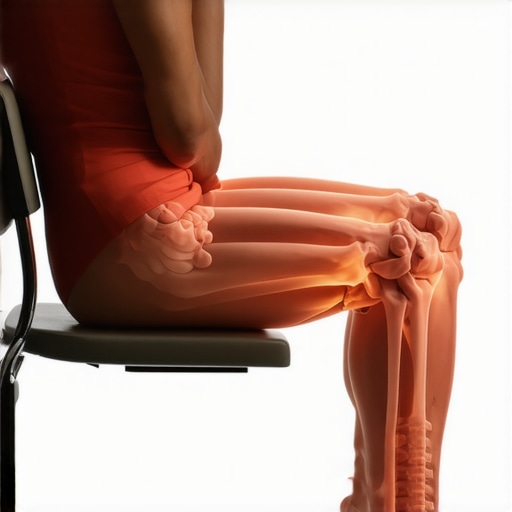
You know that moment, right? You’re bending down to pick up your little one, feeling that familiar twinge in your lower back. Suddenly, it’s as if a tiny, unwelcome explosion just went off inside your spine. That sharp, shooting pain that makes you wonder if you’ll even stand up straight again. I’ve been there—many times. And let me tell you, that realization hits hard: lifting kids is supposed to be joyful, not a back assault.
Why We Keep Ending Up with Back Pain When Lifting Toddlers
For years, I thought I was doing everything right. I’d squat, use my legs, and keep my back straight… or so I believed. But somehow, I kept pulling something, twisting wrong, or just losing control in that delicate moment. The truth? Early on, I made a crucial mistake: I neglected proper technique and dismissed the importance of spinal health. That mistake cost me dearly, and I don’t want the same for you.
Is Lingering Back Pain Actually Worth All the Hype?
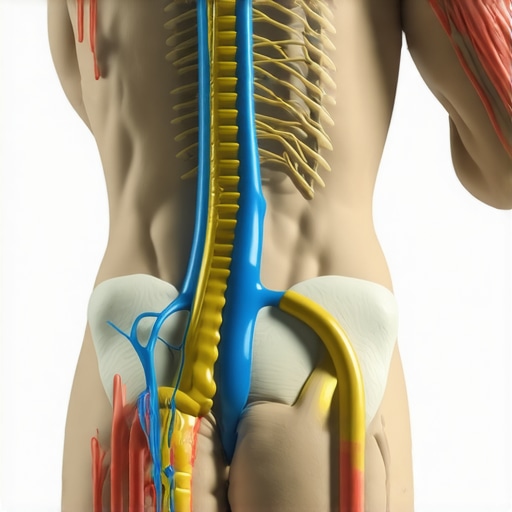
Honestly, I used to think that a little soreness was just part of parenting. But becoming familiar with how improper lifting affects your back, even in small doses, completely changed my perspective. According to spinal health experts, repeated improper lifting can lead to chronic issues, and in some cases, permanent damage. And here’s the kicker: simple adjustments can prevent most injuries. Want to learn how? Keep reading.
Master Your Lifting Technique
My first personal breakthrough happened when I intentionally slowed down and focused on how I was lifting. I practiced visualizing the movement as stacking building blocks—each piece supporting the next—rather than bending and twisting at the same time. To execute this properly, stand close to your load, keep your feet shoulder-width apart, and engage your core muscles before bending your hips and knees. This creates a solid foundation and distributes weight evenly, reducing strain on your lower back.
Break Down the Movement into Succinct Steps
First, position yourself with your feet aligned under your hips. Then, tighten your abdominal muscles as if about to be tickled. Next, hinge at your hips, pushing your butt back as if closing a drawer behind you, while maintaining a straight back. Flex your knees slightly and grasp the object firmly. Engage your core and use your legs to lift, not your back, by straightening your hips and knees simultaneously. As I learned during a tough move to lift a stubborn box, deliberately relaxing my shoulders and keeping my spine neutral preserved my back from strain and allowed me to finish the lift smoothly.
Use Your Legs, Not Your Back
Imagine your legs as the power source for lifting, not your back. When you rely solely on your back, it’s like trying to lift with a rope instead of a crane—it’s inefficient and unsafe. During a recent weekend move, I adjusted my posture by emphasizing leg strength and keeping my back flat. The result? No back pain afterward, and I could lift the heavy basket with confidence. To reinforce this practice, consider scheduling a quick session with a chiropractor experienced in spinal health, such as those at chiropractic care.
Control Your Breathing and Engagement
One often-overlooked component of safe lifting is breathing. Inhale deeply before starting your lift, brace your core by gently holding your breath through the movement, then exhale as you complete the lift. This intra-abdominal pressure acts like a built-in corset, stabilizing your spine. It’s similar to how athletes brace for impact—by tightening up, they create a protective barrier around vulnerable areas. In my experience, consciously controlling my breath during a lift has significantly minimized back discomfort and increased strength endurance.
Maintain Alignment and Mindfulness
Stay aware of your spinal alignment throughout the process. Avoid twisting or leaning to one side, as this creates uneven stress. I learned this the hard way when I unsuccessfully tried to twist my torso to reach something; afterwards, I felt a sharp pain that took days to recover. To stay safe, periodically check your posture, engage your core, and keep your neck and spine in a straight line. If you’re unsure about your technique, a quick consultation with a professional can provide personalized guidance. You can find helpful tips in this detailed guide.
Practice with Lighter Loads and Progress Gradually
Start practicing these techniques with lighter objects, like a filled grocery bag or a small box. Gradually increase the weight as your strength and confidence grow. Remember, consistency is key; even small improvements in your lifting approach will protect your back over the long term. If you experience persistent pain or discomfort, don’t ignore it. Seek expert advice from trusted local chiropractors, who can help you optimize your spinal health and techniques. Visit their contact page to schedule a professional assessment or learn more about maintaining a pain-free back.
When it comes to spinal health and mobility, many believe that simply stretching or visiting the chiropractor occasionally is enough. However, this oversimplification masks a crucial nuance: not all mobility exercises are beneficial, and some can inadvertently worsen the very issues they’re meant to resolve. For instance, static stretching before movement can actually reduce muscle performance temporarily, leading to increased injury risk—a fact supported by recent research published in the Journal of Sport Sciences. Let’s challenge common myths that can trip up even seasoned fitness enthusiasts.
One widespread misconception is that pain-free movement equates to optimal mobility. Actually, pain can sometimes be a protective mechanism, and ignoring discomfort might mean you’re masking underlying issues rather than resolving them. An advanced mistake I see often involves patients performing aggressive mobility drills without proper assessment, which can destabilize the spine further. For example, deep joint mobilizations without identifying compensatory movement patterns could exacerbate existing instability—an error documented in studies from osteopathic research centers.
What’s the risk in assuming all mobility work is created equal?
Many assume that all flexibility and mobility efforts are universally beneficial. In reality, improper technique, overextension, or neglecting spinal alignment can turn these exercises into sources of harm. For example, attempting to increase thoracic mobility through aggressive foam rolling without considering postural imbalances can lead to hypermobility and injury. This is why personalized assessments by knowledgeable chiropractors, who understand the intricate biomechanics of the spine, are vital. Find out more about fine-tuning your mobility techniques at this resource.
Another critical trap is disregarding the role of fascia and neural factors in mobility. Myths persist that stretching alone can release tight tissues, but recent evidence emphasizes that neural tension can limit movement more than muscular tightness. Techniques like neural gliding and targeted release work, often overlooked, are essential for comprehensive treatment. Recognizing this nuance can make the difference between temporary relief and lasting improvement.
Chiropractic care isn’t just for pain relief—it’s a strategic approach to restoring optimal movement patterns. Prioritizing spinal alignment and joint function creates the foundation for effective mobility work. For advanced insights tailored to your needs, consider consulting trusted professionals at this guide.
In conclusion, the hidden nuance lies in understanding that mobility isn’t merely about increasing range of motion but about restoring balanced, well-aligned movement patterns. Overlooking this can lead to more harm than good. Have you ever fallen into this trap? Let me know in the comments. Remember, mastering the subtle art of spinal health requires a nuanced approach—so don’t settle for surface-level fixes. Dig deeper, and your back will thank you.
,
How do I keep my back healthy over time?
Maintaining spinal health is an ongoing process that benefits greatly from the right tools and regular practices. Personally, I rely on a combination of ergonomic equipment, targeted mobility devices, and software to track and improve my posture and movement. One essential tool I’ve integrated into my routine is a high-quality foam roller. I use it daily to release my fascia and address muscle tightness before it becomes a chronic issue. A well-chosen foam roller, like the TriggerPoint GRID, allows me to perform my own myofascial release at home, reducing the need for frequent chiropractic visits and preventing pain from escalating.
Beyond manual tools, I leverage posture correction apps, such as Upright, which remind me to maintain proper alignment throughout the day. These apps use gentle nudges and feedback to reinforce good habits, effectively acting as a personal trainer for spinal health. I’ve found that consistent use of these digital aids cultivates mindfulness about my posture, especially during long work sessions or lifting tasks.
When it comes to strengthening, I prioritize functional mobility programs like the McGill Big Three, which I perform a few times weekly to enhance stability and resilience. This program emphasizes core exercises that support safe lifting and reduce back strain, aligning with the principles I discussed earlier. Using dedicated resistance bands and stability balls during these routines adds variety and precision, making the exercises more effective.
Looking ahead, I believe the trend in spinal health will gravitate toward personalized, tech-integrated solutions. Innovations like AI-driven posture analysis and biofeedback devices are poised to revolutionize how we prevent and manage back issues, making proactive care more accessible than ever. For now, combining manual tools with smart technology offers an immediate path to sustainable mobility and pain relief.
How do I maintain mobility and prevent setbacks over time?
The key is establishing consistent, mindful habits and using the right tools to support your efforts. Regularly scheduled mobility exercises, integrated with ergonomic adjustments and digital reminders, reduce the risk of chronic issues. For instance, incorporating the chiropractic techniques I trust into your routine can enhance your range of motion and spinal stability. Remember, even the best tools need to be complemented by expert guidance; don’t hesitate to consult a chiropractor for personalized advice tailored to your unique needs.
Try adding a session with a professional and using a foam roller or posture app consistently for a month. Observe how your back responds, and make adjustments accordingly. Building these habits can significantly improve your long-term mobility and reduce pain risk, ensuring you can lift, bend, and move with confidence for years to come. For more insights into maintaining and enhancing your spinal health, explore our comprehensive guides and consider reaching out for a professional assessment at our contact page.

What I Wish I Knew Before Ignoring My Back’s Signals
Throughout my journey with back health, I realized that pushing through discomfort often delayed genuine healing and sometimes made things worse. The lightbulb moment was understanding that pain isn’t just a nuisance; it’s your body’s way of whispering, “Pay attention!” Learning to listen early saved me from bigger issues down the line. Trusting this instinct and acting promptly is a lesson I carry forward.
My Top Tools for a Stronger, Healthier Spine
After experimenting with numerous solutions, I found that consistent use of quality foam rollers like this effective tool significantly improved my fascia flexibility. Combining that with digital posture apps, such as Upright, helps me stay mindful during daily activities. Recently, I’ve also embraced functional mobility routines like the McGill Big Three—these have become my non-negotiables for long-term resilience.
Now It’s Your Turn to Reclaim Your Back
Every step I took towards better spinal health was driven by curiosity and a willingness to learn. Remember, small, consistent actions matter more than quick fixes. Whether it’s integrating a simple stretch into your morning, adjusting your workspace, or consulting with a knowledgeable chiropractor, each effort brings you closer to a pain-free life. Your back is resilient—it just needs the right care.
What’s one adjustment you’re willing to try today to protect your back? Drop your thoughts below and start your journey toward lasting mobility!