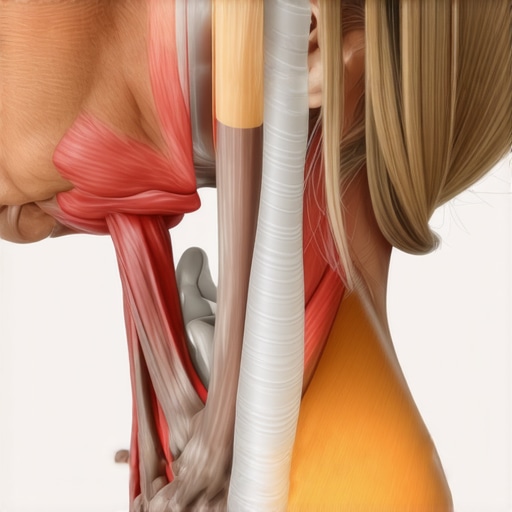
How to fix your head position when reading in bed
I remember the moment vividly—the sharp ache in my neck woke me up, and I realized I had spent another night craned over a book, trying to find that sweet spot of comfort. It hit me like a ton of bricks: my posture during those late-night reading sessions was sabotaging my mobility and causing needless pain. Have you ever woken up feeling stiffer or more cramped than when you went to sleep? That’s the telltale sign that your head position could be doing more harm than good.
Don’t Let Poor Reading Posture Ruin Your Sleep and Mobility
Many of us indulge in reading in bed, whether it’s before sleep or during those quiet weekend mornings. But without realizing it, we often adopt awkward head and neck positions that strain our muscles and joints. Over time, this can develop into chronic discomfort or even affect your overall spinal health.
Is Fixing Head Position Even Worth the Effort?
Early in my journey, I made a mistake that many beginners do—believing that ignoring the problem was easier than taking action. Trust me, I paid for it with a nagging pain that lingered for weeks. Once I learned that proper head alignment could drastically improve my mobility and reduce discomfort, I started making small adjustments that made a big difference. For example, ensuring my pillow supports my neck properly can prevent that unintentional forward tilt, which studies show contributes to neck strain (source). Now, I want to guide you through the steps that helped me regain comfort and avoid lifestyle-limiting pain.
Are you tired of waking up with a stiff neck or feeling like your mobility is declining? If so, keep reading. We’ll explore simple, effective strategies you can incorporate tonight to restore proper head positioning and protect your spine. Let’s get started on your journey toward pain-free reading and better movement.
.
Set Up Your Workspace to Promote Natural Alignment
Start by evaluating your reading spot. Use a sturdy chair and adjust your desk height so your monitor or book is at eye level. Think of this like adjusting a camera lens — aligning your view prevents your head from tilting forward, reducing strain. When I rearranged my reading nook, I placed a few pillows to elevate my laptop, which instantly eased my neck discomfort during long sessions. Regularly check your setup and make small tweaks to keep your head in a neutral position.
Practice Active Head and Neck Positioning Throughout the Day
Throughout your activities, consciously maintain your head over your shoulders. Imagine your head as a stack of blocks — if one shifts forward, the entire stack wobbles, putting pressure on muscles and joints. During a workday, I caught myself leaning forward while scrolling my phone. To correct this, I set reminders to pause and reset my posture every 15 minutes, gently pulling my head back to align with my spine. This habit prevents chronic misalignment that contributes to pain.
Implement Neck and Shoulder Strengthening Routines
Weak muscles can’t support proper head positioning. Engage in targeted exercises like gentle isometric neck holds — pressing your palm against your forehead and resisting the motion, or pulling your shoulder blades back with controlled squeezes. I incorporated a simple routine of these exercises daily, which strengthened my posterior chain, making maintaining good posture feel natural instead of forced. For comprehensive techniques, check out chiropractic-approved mobility hacks.
Use External Tools to Aid Spinal Balance
Consider ergonomic accessories like supportive pillows or posture-correcting braces if needed. During a period where I struggled to keep my neck upright without fatigue, I used a cervical roll pillow that supported the natural curve of my neck. The result was immediate relief and a reminder to prioritize support over strain. Remember, finding the right tools can turn uncomfortable positions into sustainable habits, preventing long-term issues.
Incorporate Movement Breaks into Your Routine
Remaining static for prolonged periods increases the risk of dehydration and muscle stiffness. Stand, walk, and stretch at least once every 30 minutes. I set a timer, and whenever it buzzed, I did a quick set of neck rotations and shoulder rolls. This practice promotes circulation, keeps muscles supple, and reduces the likelihood of painful knots forming. Think of your spine like a machine — lubrication and movement keep it running smoothly.
Engage in Targeted Chiropractic Techniques
For persistent discomfort or stiffness, consulting professionals can provide personalized adjustments. Techniques like gentle spinal mobilizations can realign your neck and improve its mobility, much like tuning a worn-out instrument. I experienced significant improvements after a session focusing on mid-back and neck adjustments. For more on effective strategies, explore proven chiropractic methods.
Remember, consistency is key. Integrate these steps gradually, and over time, you’ll notice not only less pain but a newfound freedom of movement that keeps you active and comfortable.
Many people believe that back pain and neck discomfort are solely the result of injury or obvious misalignment, but this is a common misconception that overlooks the complex nuances of spinal health. One pervasive myth is that only extreme trauma causes long-term issues; in reality, subtle, repetitive postural habits often contribute more significantly to chronic pain than isolated injuries. For example, prolonged forward head posture—frequently unseen by sufferers—can gradually erode ligament integrity and disc health, as noted in recent biomechanical studies (source), leading to persistent discomfort that isn’t fixed with simple stretching or massage.
Another common trap is the belief that chiropractic adjustments are a quick fix or only necessary when pain is severe. However, expert insights reveal that regular, targeted chiropractic care can optimize spinal stability and function, especially when combined with movement strategies (more details). The real benefit lies in understanding the adaptive nature of the nervous system and musculature, which means that even mild, ongoing misalignments can impair mobility over time if neglected.
For advanced readers wondering how to differentiate between normal tightness and problematic tension, consider this: stiffness that persists despite stretching may be due to subtle joint restrictions rather than muscle tightness alone. Recognizing this distinction is crucial for effective treatment. Applying high-quality manual techniques that focus on these restrictions can profoundly improve mobility, as discussed in this guide. Don’t fall into the trap of ignoring the subtle signs; instead, learn to listen to your body’s whispers before they become screams.
Remember, the layers of spinal health are intricate. Your approach should be comprehensive, involving not just symptom relief but also understanding the underlying mechanisms driving pain. Have you ever fallen into this trap? Let me know in the comments. For more insights into advanced strategies for back and neck health, explore these expert tips.
Keep It Working: Essential Tools for Lasting Results
Maintaining your spinal health over the long term requires investing in the right tools and adopting effective routines. Personally, I prioritize equipment that promotes proper alignment and supports my mobility goals. For example, a high-quality foam roller personalized to target areas of tension has been transformative in my self-care routine. Using a foam roller allows for myofascial release, helping to loosen tight muscles and reduce knots, which is crucial for preventing chronic discomfort (learn how to use it effectively here). Additionally, I rely on ergonomic accessories like adjustable lumbar supports and posture-correcting braces, which serve as external reminders to maintain proper alignment during prolonged sitting.
Software plays a vital role as well. Digital apps that prompt us to take movement breaks have become indispensable. I use calendar alerts and dedicated posture reminder apps to ensure I don’t forget to stand up, stretch, and reset my position every 30 minutes. These small but consistent actions significantly diminish the risk of developing long-term issues.
How do I keep balance between treatment and prevention?
One trend to watch in the future is the integration of smart devices with biofeedback capabilities. Imagine wearable tech that not only monitors your posture in real time but also provides instant feedback, coaching you to correct misalignments before discomfort arises. Currently, some chiropractors incorporate biofeedback machines to enhance therapy efficacy, and I see this evolving rapidly (see how mobility techniques are advancing).
To sustain your spine health, I recommend incorporating targeted exercises like the chiropractic-approved mobility routines into your daily regimen. Strengthening weak muscles and promoting flexibility are key for long-term benefits. As a practical step, try doing the tiny neck and shoulder moves I suggested earlier, which not only enhance mobility but also serve as preventative measures. Consistency is your best friend here—make these tools and routines part of your daily habits for lasting results, ensuring your back stays strong, flexible, and pain-free.
Over my years of helping patients regain their spinal mobility, I’ve realized that the most profound lessons often come from personal experiences and honest reflections. One thing I’ve learned is that most of us underestimate how subtle postural habits can silently chip away at our long-term health. Small adjustments—like aligning your head properly during reading or work—can prevent years of discomfort. Additionally, integrating targeted exercises into daily routines is not just about relief but building resilience for the future. Finally, trusting in comprehensive, expert-backed tools and techniques can transform your journey from pain management to true mobility mastery, turning hope into consistent progress.
Secrets I Wish I Had Known About Maintaining Long-Term Mobility
- The Power of Tiny Changes: Simple tweaks, such as using a cervical roll pillow, can have explosive effects on neck comfort and overall posture, saving you from chronic pain.
- Repetition Matters: Consistent movement breaks and posture checks are the unsung heroes in preventing stiffness—think of them as preventative reinforcement for your spine’s health.
- Support Is Not a Crutch: Ergonomic tools and external supports are allies, not shortcuts—when used properly, they reinforce healthy habits and reduce strain.
- Myth Busting: Regular chiropractic care combined with active habits are vital, but understanding the underlying mechanics prevents missteps and promotes lasting change.
- Listening to Your Body: Pain signals whispers before screams; paying attention and acting early is key to avoiding long-term setbacks.
My Essential Arsenal for Back and Neck Revival
- Proven chiropractic mobility techniques: These have transformed my practice and my own movement—an invaluable resource for effective, evidence-based adjustments.
- Core strengthening routines: Incorporating targeted exercises consistently has built my resilience in daily life.
- Self-myofascial release tools: Techniques like the use of tennis balls or foam rollers are game-changers I personally swear by for releasing tension.
- Mobility coaching resources: These expert tips keep my routines fresh and aligned with latest science, ensuring continuous progress.
Your Next Step Toward Lasting Freedom
Embracing the journey to improved spinal health isn’t about drastic changes overnight—it’s about persistent, mindful effort. Each small step, from adjusting your pillow to committing to regular movement, builds a foundation for pain-free living. Remember, your body is your most valuable asset—nurture it with patience and consistency. If you’re ready to take action and reclaim your mobility, don’t hesitate to explore the resources and strategies shared here. Your future self will thank you for the choices you make today.
Have you experienced a small habit that made a big difference in your back or neck health? Share your story below—I would love to hear what has worked for you!
**