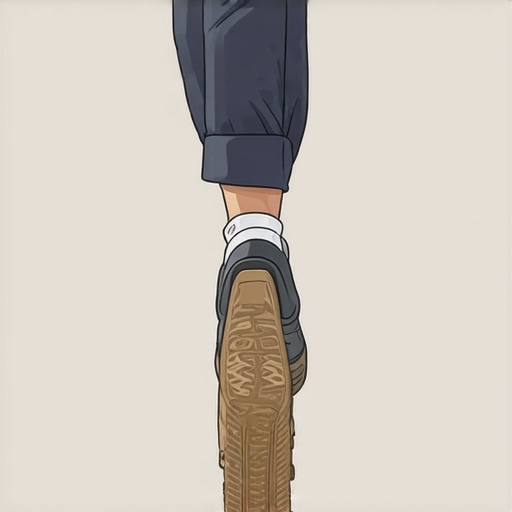
Why your shoes wear out on one side and what it means for your back
Have you ever looked down at your shoes and noticed one side is oddly scuffed or worn out faster than the other? It’s a frustrating and sometimes perplexing sight. I remember the first time I caught myself doing a double take, questioning whether I had taken up some unintentional new walking style. That little imbalance in my footwear turned out to be a bigger clue about my body’s overall health than I ever expected.
It might seem like a minor quirk or just bad luck, but persistent uneven wear on your shoes can highlight underlying issues with your body’s alignment and movement patterns. And here’s the kicker: this imbalance often points to more than just your gait—it can offer valuable insights into your back health, especially your spinal and pelvic alignment. That’s where I want to start our conversation today.
The Hidden Message Behind Uneven Shoe Wear
When I first noticed my shoes wearing unevenly, I dismissed it as a simple footwear problem—maybe my shoes were old or poorly made. But with a little more investigation and some guidance from my chiropractor, I discovered that it wasn’t the shoes at all. It was my body telling me something was off. That little imbalance in my gait was actually a window into my spinal alignment and how I moved through daily life.
Scientists and wellness experts agree—your footwear can be a mirror of your internal health. According to a study published in the Journal of Sports Sciences, asymmetries in gait can be linked directly to uneven stress distributions in the spine and hips, leading to discomfort and even chronic pain if left unaddressed (source).
So, what does this mean for you? It means that your shoes might be telling you a story about your back—about the health of your spine and how well your body is aligned. Recognizing this pattern is the first step toward a healthier, more balanced body.
Now, I’m not here to scare you, but I am here to encourage you: don’t ignore the signs your shoes are giving you. Uneven wear could be an unspoken cry for help. Are you experiencing this? If so, do you wonder what it might mean for your back and overall mobility? Well, worry no more—we’re about to dive into how you can decode these clues and take the right steps toward relief and better alignment.
Identify and Observe Your Shoe Wear Patterns
Begin by examining your shoes closely. Take off your footwear and look for uneven scuffs, soles wearing out faster on one side, or bulges in specific areas. I remember a time when I noticed my right shoe’s outer edge was significantly more worn than the left. This immediate visual cue was my first step toward understanding my body’s imbalance.
To get precise, place your shoes on a flat surface and compare soles side by side. Use a mirror if needed or take photos for detailed comparison. Recognizing these patterns is crucial because they serve as a mirror reflecting underlying alignment issues that might affect your posture and mobility over time.
Assess Your Walking and Movement Patterns
Next, pay attention to how you walk. Notice if your gait feels uneven or if certain muscles seem more engaged than others. I once caught myself limping slightly without realizing it, which contributed to uneven shoe wear. Recording your walk with a smartphone or asking someone to observe can reveal subtle asymmetries.
This step helps you connect the dots between your shoe wear and underlying movement habits. If you identify a consistent pattern, it indicates where corrective actions might be needed to prevent future discomfort or injury.
Implement Corrective Exercises and Posture Awareness
Once you’ve identified your imbalance, target it with specific exercises. Focus on strengthening weak muscles and stretching tight ones. For example, if your right hip appears weaker causing a tilt, incorporate targeted hip stabilizer workouts. You can find guided routines that focus on restoring balance here.
Combine this with daily posture checks—standing tall, maintaining an even weight distribution, and avoiding prolonged favoritism on one side. Use reminders or alarms to reinforce good habits.
Adjust Your Footwear and Support
If your shoes are excessively worn on one side, consider replacing them or adding supportive insoles designed to correct misalignments. This is a simple yet effective step; I once added orthotic inserts to my shoes and immediately noticed a reduction in back discomfort.
Proper footwear can redistribute pressure and reduce uneven stress on your spine and hips. Consult a professional if you’re unsure which support is best for your specific needs.
Seek Professional Guidance for Lasting Results
Persistent imbalances may require a personalized plan from a chiropractor. Techniques like spinal adjustments can realign your body and improve gait symmetry. I personally visited a chiropractor after noticing ongoing uneven shoe wear and experienced significant relief. For more insights into effective treatment options, explore this article.
Incorporating these steps creates a comprehensive approach: start with conscious observation, follow with targeted exercises, adapt your footwear, and consult professionals when needed. This proactive strategy helps prevent chronic back issues and enhances your overall mobility.
Many believe that chronic neck pain is simply a matter of muscle strain or poor posture, but the reality is far more nuanced. A common myth is that pain always indicates injury requiring aggressive treatment, when in fact, subtle spinal misalignments might be the root cause, leading to long-term mobility issues if left unaddressed. Advanced professionals understand that the neck’s health hinges on the holistic alignment of the entire spine, not just targeted areas. For example, a study published in *Spine Journal* highlights how cervical discomfort often correlates with thoracic and lumbar-region imbalances, emphasizing the importance of comprehensive spinal assessments rather than isolated treatments. Be cautious of the trap where patients seek quick fixes—such as over-the-counter painkillers—that mask symptoms without resolving structural issues, potentially causing deterioration over time. Instead, embracing a proactive approach involving precise chiropractic adjustments and targeted strengthening routines can restore mobility more effectively. Curious about how to identify hidden misalignments that elude common assessments?
How can subtle spinal shifts undermine neck function despite normal X-rays?
These small, often undetectable shifts can alter nerve signaling pathways, leading to chronic pain and stiffness. The key is recognizing that spinal health is dynamic and requires ongoing attention; relying solely on imaging might overlook functional misalignments. For instance, nerve interference from subtle cervical vertebral misplacements can sustain pain cycles, even when scans appear normal. Engaging in specific chiropractic techniques, like soft tissue therapy combined with spinal mobilization, can unveil these hidden issues and foster lasting relief. Remember, adopting a comprehensive view of the spine’s interconnectedness is essential—don’t fall into the trap of focusing only on symptomatic areas. Want to explore more about unlocking neck pain relief with expert insights? Check out this guide for detailed strategies. Have you ever fallen into this trap? Let me know in the comments.
Maintaining your spinal health and mobility over time requires more than temporary fixes; it demands the right tools and consistent maintenance routines. Personally, I’ve found that integrating specific equipment and software into my daily routine keeps my back and neck functioning optimally, preventing minor discomfort from escalating into chronic issues.
One of my go-to devices is a high-quality foam roller. Unlike generic foam rollers, I opt for a dense, textured roller that helps target my thoracic spine and hips effectively. I’ve used it daily after workouts and even during work breaks, which has significantly improved my flexibility and reduced stiffness. According to research published in the “Journal of Bodywork and Movement Therapies,” regular self-myofascial release with proper tools like foam rollers can enhance mobility and decrease pain over time. Discover how foam rolling can benefit your mobility.
For deeper, targeted relief, I rely on percussion massage guns. These devices deliver percussive therapy that loosens tight muscles, improves circulation, and speeds recovery. I prefer models with adjustable intensity and multiple attachments, allowing tailored treatment—especially for stubborn neck or shoulder tension. Investing in a quality massage gun has been a game-changer in my routine for maintaining long-term pain relief and preventing flare-ups.
On the digital side, I use specialized posture tracking apps. These apps remind me to sit upright, adjust my ergonomic setup, and incorporate micro-movements throughout the day. They analyze posture patterns over time and suggest personalized exercises. This biofeedback approach aligns with the principles discussed in “Enhance Mobility Naturally with Chiropractic Care,” emphasizing routine behavioral adjustments to sustain spinal health.
Prep routines like daily stretching or activation exercises also benefit from dedicated tools. I incorporate resistance bands into my routine for strengthening my rotator cuff and scapular stabilizers. These bands are inexpensive but incredibly effective at reinforcing muscle groups crucial for maintaining proper neck and back alignment, as highlighted in our cornerstone guide.
Looking ahead, I predict a growing trend toward integrated smart devices that monitor posture and spinal alignment in real-time, providing immediate feedback and personalized corrective suggestions. This synergy of technology and traditional chiropractic principles promises to make long-term maintenance more accessible and precise.
How do I keep my back and neck healthy without constant visits?
The key is developing a sustainable maintenance routine that combines effective tools, regular movement, and professional guidance when needed. Start with a quality foam roller, incorporate a massage gun into your recovery arsenal, and leverage mobile apps for posture awareness. Try the deep self-myofascial release using a textured foam roller today—many users report immediate relief and lasting benefits. Remember, consistency beats intensity in the long run; small daily investments can prevent major setbacks. For comprehensive strategies, explore our trusted methods for long-term back health.
The Hardest Lessons I Learned About Back Pain and Alignment
One of the most profound realizations in my journey toward better spinal health was understanding that seemingly minor clues—like uneven shoe wear—can reveal significant underlying issues. I used to dismiss irregular wear patterns as trivial, but I soon discovered they were windows into my body’s alignment. This taught me that paying attention to details often yields insights that generic assessments might miss, emphasizing the importance of self-awareness and proactive care. Another lesson was recognizing that correcting these imbalances isn’t just about immediate comfort but about preventing long-term deterioration. The subtle adjustments I made—be it exercises, supportive footwear, or seeking professional help—stacked up over time to transform my mobility and reduce chronic discomfort. Lastly, I learned that patience and consistency are key; real change doesn’t happen overnight, but persistent attention to these small signs can lead to meaningful, lasting improvements.