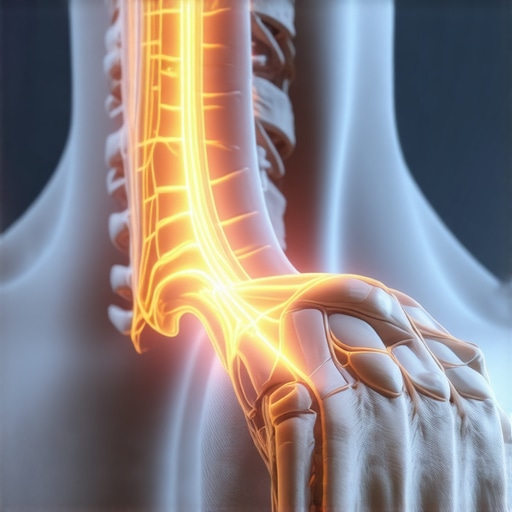
Why your laptop on the couch is a recipe for a cervical disc flare-up
Have you ever settled in on the couch with your laptop, thinking it’s the perfect setup for a cozy evening? Maybe you curl up with your favorite show, laptop on your lap, and before you know it, that dull ache in your neck turns into sharp pain that lingers for days. I’ve been there, and honestly, it’s a wake-up call. One moment, I thought I was just relaxing; the next, I was grappling with persistent neck and shoulder discomfort. It’s a common scenario, but one that silently sabotages our spinal health.
Why Your Couch Laptop Ritual Might Be Triggering Discomfort
It’s tempting, isn’t it? That quick escape from the desk, a relaxed posture, and the convenience of the sofa. But here’s the thing—your position while lounging with your laptop may be setting you up for a cervical disc flare-up. When you sit on the couch with your head tilted downward to look at the screen or cradle your neck at awkward angles, it loads your cervical spine in ways it wasn’t designed to handle for extended periods. Over time, this repeated strain can contribute to disc degeneration, nerve impingement, and chronic pain.
Research shows that sustained poor posture during everyday activities significantly increases the risk of developing neck and back problems. In fact, a study published in the Journal of Orthopaedic & Sports Physical Therapy indicates that forward head posture, often seen when hunching over laptops, can lead to increased stress on cervical discs and ligaments. And trust me, ignoring these signals only worsens the problem, creating a cycle that’s difficult to break.
Early on, I made a critical mistake—believing that as long as I was comfortable, I wasn’t doing any harm. But I ignored the quiet warning signs until pain became a persistent issue. That’s why I want to help you sidestep my mistake and instead, recognize these cues before injury worsens. Ready to reclaim your neck’s health and prevent flare-ups? Great. The first step is understanding how your favorite couch setup might be secretly harming your spine, so we can learn how to fix it.
Ever wondered if your lazy evening habits are secretly damaging your back? Let’s find out.
Position Your Screen for Optimal Alignment
Start by setting your laptop at eye level rather than looking down. Use a sturdy stand or stack books underneath your device until the screen is level with your eyes. This simple shift prevents forward head posture that strains cervical discs. When I first tried this, I noticed an immediate reduction in neck tension, even during long work sessions. Transitioning to this setup eliminated that nagging ache I had kept ignoring.
Adjust Your Sitting Environment
Sit in a chair with proper lumbar support and sit back fully, ensuring your hips are level or slightly higher than your knees. Keep your feet flat on the floor. I once spent hours slouching on my sofa, which worsened my discomfort, but after switching to a supportive desk chair and maintaining good posture, my pain subsided significantly. Remember, your environment should promote a neutral spine position—think of it as aligning the rocks in a sturdy archway.
Create Micro-Movements to Relieve Tension
Incorporate gentle mobility exercises into your sitting routine. Simple neck rolls, shoulder shrugs, and upper back stretches can reverse the effects of static postures. For example, every 15 minutes, I paused and did a quick sequence of neck rotations and shoulder blade squeezes. It was messy at first—clumsy and uneven—but I felt the tension melting away and my range of motion improving over time. These micro-movements are like rewinding a tangled wire—restoring flexibility and ease.
Use Micro-Exercises as Breaks
Set reminders to stand and perform quick stretches. Stand tall, grasp your wrists behind your back, and lift your arms slightly to open the chest. This refreshes your posture and reduces nerve impingement risk. I started scheduling these breaks, and with consistent practice, my sustained discomfort lessened. These exercises reinforce the importance of regular movement for spinal health, much like oiling a machine to keep it running smoothly.
Implement Corrective Techniques Daily
Adopt specific exercises to strengthen supporting muscles. The McGill Big Three—curl-up, side plank, and bird dog—are effective for building core stability that supports the neck and spine. I dedicated five minutes daily, initially sloppy and tentative, but gradually, I built endurance. This routine acts like a shield, providing stability that prevents flare-ups triggered by poor posture. For a comprehensive approach, consider exploring chiropractic strategies to restore mobility.
Prioritize Consistency Over Perfection
Genetics and past habits influence how your body reacts to adjustments, but consistent effort pays off. Set small, achievable goals—like maintaining a neutral position during TV time or doing stretches every hour. Even if your initial attempts are awkward—like my first few days doing bird dog—I promise progress follows persistence. Think of it as tuning an instrument—you won’t get harmony overnight, but each small adjustment helps you stay in tune.
Beware of Lazy Fixes That Worsen the Problem
Avoid relying solely on quick fixes like excessive icing or trying to stretch through pain. These can temporarily mask issues but don’t address underlying imbalances. Instead, integrate movement patterns and ergonomic adjustments into your routine. For example, replacing that old couch with a supportive chair and adopting a proactive stretching regimen can lead to lasting relief. For detailed techniques, see expert methods for neck and back relief.
Track Your Progress and Stay Informed
Keep a journal of your posture changes, exercises, and pain levels. This highlights what works and guides future adjustments. Remember, these steps are part of a continuous process—not a one-time fix. Regularly reviewing resources like how chiropractic care can transform your recovery can empower you to stay proactive in your spinal health journey. Ultimately, small consistent actions build a resilient spine and prevent minor discomforts from snowballing into chronic issues.While many assume chiropractic adjustments are a quick fix for back and neck pain, there’s a nuanced understanding that often gets overlooked. A common myth is that chiropractic care alone can permanently solve mobility issues without addressing underlying habits or posture. In reality, focusing solely on adjustments without considering lifestyle factors can lead to temporary relief but long-term setbacks. Think of chiropractic as a crucial piece of a larger puzzle—comprehensive movement strategies and ergonomic habits are equally vital.
Another misconception involves the idea that more frequent adjustments always yield better results. However, excessive or aggressive treatments can be counterproductive, potentially aggravating sensitive tissues or promoting dependency. Skilled chiropractors tailor sessions to your unique needs, emphasizing balanced therapies that encourage your natural healing process rather than creating reliance. This emphasizes the importance of listening to your body and adopting an individualized approach for lasting improvement.
Advanced Question: How can focusing on spinal biomechanics prevent future mobility decline?
By delving into the intricacies of spinal biomechanics—like understanding segmental motion, joint stability, and muscular support—you can proactively safeguard your mobility. For instance, weak deep stabilizers can lead to compensatory patterns that strain your spine over time. Incorporating targeted exercises such as the McGill Big Three can reinforce these foundational muscles, creating a resilient support system. Research from leading experts indicates that optimizing spinal biomechanics not only alleviates current discomfort but also significantly reduces the risk of degenerative changes down the line. You can explore proven strategies for revitalizing your mobility on our blog, which emphasizes movement preservation and injury prevention. Remember, understanding and maintaining your spinal biomechanics is an investment in your long-term health—don’t wait until pain restricts your life to take action.
Invest in Precise Ergonomic Equipment
One of my top recommendations is adopting an adjustable ergonomic chair that provides proper lumbar support. I personally use a chair with adjustable backrest angle and seat height, allowing me to maintain a neutral spine throughout the day. This customized setup prevents the slouching that often leads to neck and back discomfort. Investing in quality equipment is not a luxury; it’s a vital step in ensuring your spinal health remains sustainable over time.
Why I Switched to a Sit-Stand Desk
Transitioning to a sit-stand desk revolutionized my approach. It enabled me to alternate between sitting and standing every 30 minutes, which research suggests reduces cumulative strain on the spine. I personally set reminders and use a desk with programmable presets to streamline this routine. Over months, this practice not only improved my posture but also boosted my energy and focus—proof that smart tools can support long-term wellness.
Utilize Apps for Movement Reminders
Technology aids in maintaining mobility through apps like ‘Stretchly’ or ‘Time Out.’ These programs send periodic alerts to stand, stretch, or walk, aligning perfectly with micro-movement techniques I recommend. I’ve integrated these into my daily routine, which significantly minimized stiffness and improved circulation. Consistent movement using these tools ensures small habits accumulate into lasting benefits.
My Favorite Mobility Tools for Daily Use
Among the mobility aids, I’ve found foam rollers invaluable, especially those with moderate firmness to avoid overpressure. Using a foam roller on my upper back and hips, I release tension and enhance circulation. I also incorporate resistance bands during my stretching sessions to gently strengthen supporting muscles. These tools are budget-friendly and highly adjustable, making them accessible for most lifestyles.
Predicting Future Trends
Looking ahead, I believe wearable tech will become more sophisticated, providing real-time feedback on posture and movement patterns. Devices that monitor spinal alignment or muscle activity could notify you instantly of poor positioning before discomfort arises. The integration of biofeedback into daily routines might soon become standard in chiropractic care, empowering individuals to sustain optimal spinal health independently.
How do I maintain my tools and techniques over time?
Regular assessment and updating equipment ensure continuous benefit. For example, I inspect my ergonomic chair for wear and replace components as needed. Additionally, I revisit my movement routines every few months, adjusting exercises or tools based on progress or new insights. Staying informed by reading latest research, such as insights from the latest mobility strategies, keeps me motivated and effective. Embracing a proactive mindset and scheduling periodic reviews transforms equipment and habits into lifelong allies for spinal health.
Less Obvious Lessons from My Spine Journey
One of the most surprising realizations I had was how small daily habits can secretly shape our spinal future. For example, I never appreciated the power of consistent micro-movements until I experienced firsthand how they built resilience instead of allowing stiffness to accumulate. Another lightbulb moment was understanding that posture awareness isn’t just about avoiding pain—it’s about actively investing in a pain-free life. Lastly, I learned that patience and persistence are your best allies; quick fixes might provide temporary relief, but truly transforming spinal health requires sustained, mindful effort over time.
My Go-To Resources for Chronic Neck and Back Issues
- Proven Strategies from QuackersSpinal: Their comprehensive guides on mobility and recovery have been instrumental in my journey. I vouch for their emphasis on evidence-based, holistic approaches.
- Understanding Spinal Biomechanics: Books like “The Guide to Spinal Stability” have deepened my understanding of movement mechanics, which I apply daily to prevent flare-ups.
- Reliable Apps for Movement Reminders: Apps such as ‘Stretchly’ keep me accountable, ensuring I incorporate micro-movements into my routine without fail.
- Expert-led Video Tutorials: Visual learners like me benefit greatly from videos that demonstrate proper exercises, making it easier to replicate them correctly.
Believe in Your Power to Thrive
Your spine is more resilient than you might think, especially when armed with knowledge and intentional habits. Embrace the journey—small, consistent actions today create a foundation for a future free from pain and limited mobility. Remember, every step forward is a victory worth celebrating. Take charge now, and you’re shaping a healthier, more flexible tomorrow.
What change will you make today to support your neck and back health? Share your plans below—I’d love to hear your next move towards a pain-free life!