The Dead Bug Variation for People with Back Sensitivity
It hit me one morning as I struggled to roll out of bed, feeling the familiar tightness in my neck and a dull ache that refused to go away. I realized I’d been neglecting a simple yet powerful movement—the dead bug variation—and its potential for people like us, who deal with back sensitivity and neck pain every day. This realization wasn’t just a fleeting thought; it became a game-changer in my approach to mobility and pain relief. If you’ve ever felt your neck stiffen after a stretch or wondered why some exercises seem to make things worse, you’re not alone.
Why the Dead Bug Variation Could Be a Game Changer for Your Back and Neck
In my early days of tackling back pain, I made a crucial mistake: I pushed through exercises without understanding how they affected my sensitive areas. I believed more movement was always better. Turns out, for those of us with neck and back sensitivities, that couldn’t be further from the truth. Certain core exercises, especially ones that involve lying on your back, can either help or hinder your recovery—sometimes based on just a small tweak.
The dead bug variation, when performed with proper form and modifications, can stabilize your core without putting undue stress on your spine or neck. It’s surprisingly gentle yet effective, aiming to improve mobility and strength from within. Over time, I saw how small adjustments made a big difference. I began to understand the importance of controlled, mindful movement—something I wish I’d learned earlier.
If you’re tired of exercises that seem to aggravate your discomfort or leave you feeling worse, I encourage you to explore this approach. I found that learning how to modify movements conservatively and with awareness prevented my pain from escalating. For more insights on safe mobility practices, check out [this resource](https://quackersspinal.com/unlocking-neck-pain-relief-expert-tips-for-lasting-comfort).
But before jumping into the exercise, let’s clear up some common doubts—because I’ve been there. The journey to pain-free movement is often about finding what works for your unique body. And trust me, with the right knowledge, you can make meaningful progress without risking setbacks.
Now, let’s address a question I see a lot: could this seemingly simple movement actually be worth it? Or is it just another gimmick? We’ll get into that next, so keep reading, and I promise, you’ll find some answers that could transform your mobility routine.
Start with a Lying Position That Supports Your Spine
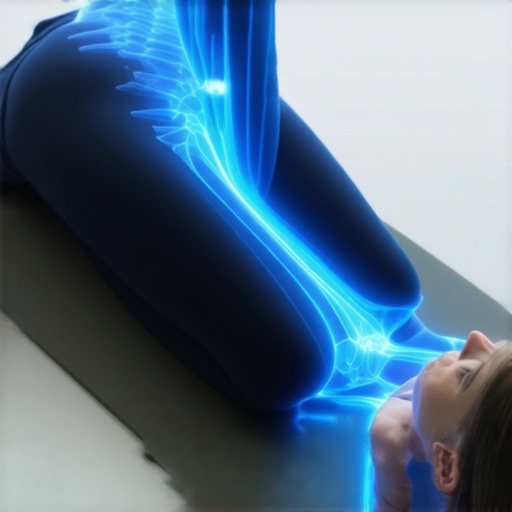
Lie flat on your back on a comfortable, firm surface, like a yoga mat or bed. Place your arms extended toward the ceiling and knees bent at 90 degrees, with shins parallel to the floor. This neutral position minimizes strain, acting like a gentle foundation as you begin your movement. I vividly remember trying this after a long day of work; initially, my back arched unfavorably, but adjusting to the proper starting position made a real difference.
Engage Your Core Gently Without Overexertion
Activate your abdominal muscles by imagining pulling your belly button down toward your spine—think of it as gently zipping up your core. It’s not about crunching hard but about creating a supportive tension that stabilizes your lumbar spine—acting like the braces of a building under wind stress. I kept reminding myself: no hold-your-breath crunches, just subtle engagement, especially during the initial practice. This mirrors the technique I found in chiropractic-guided core activation.
Controlled Opposite Limb Movements are Key
Slowly extend one arm straight back toward the floor, while the opposite leg extends straight out without lifting your pelvis or causing your back to arch. This motion is like steering a ship gently—steady and deliberate—ensuring your spine remains stable. When I first tried, my arm swung too quickly, causing my back to jolt. Once I slowed down and focused on control, I felt my core working without strain, much like the mindful movements emphasized in mobility experts’ advice.
Mind the Small Movements and Maintain Neutrality
Keep your head resting comfortably on the ground, avoiding turning or lifting it. The focus is on the limbs’ movement, not your neck. This prevents unnecessary tension, similar to how a steady hand is vital in delicate tasks. During my first attempt, I caught myself lifting my head to ‘get a better angle,’ which only tensed my neck. Consistently maintaining a neutral head position is crucial, as explained in neck pain management techniques.
Breath Strategically to Enhance Stability
Inhale as you prepare, then gently exhale as you extend each limb, activating your core with each breath. Think of your breath as a stabilizing tool, much like a sailor adjusting the sails to catch the wind precisely. In my practice, coordinating breath with movement kept my muscles relaxed yet engaged, preventing unnecessary tightness. Proper breathing also helps prevent neck tension, as discussed in chiropractic breathing tips.
Progress Gradually and Monitor Your Response
Start with 5 repetitions on each side, gradually increasing as you feel more confident and your core strengthens. Pay close attention to how your neck and back respond—if discomfort arises, pause and reassess your positioning or consult a practitioner. I thrived under a slow, cautious approach, like gradually tightening a new muscle band, avoiding sudden pulls that could cause setbacks. This mindful progression echoes the principles of chiropractic recovery strategies.
Fine-tune with Modifications to Suit Your Body
If extending limbs causes discomfort, reduce the range or perform smaller movements. You can also place a pillow under your knees for extra support or keep your head on the ground to reduce neck strain. Adjusting these variables makes the exercise more tailored and safer, similar to customizing your ergonomics at work. When I added a small cushion under my lower back, I noticed less tension and better control, aligning with advice found in chiropractic-informed modifications.
Repeat with Mindfulness and Consistency
Consistency is your best ally. Performing this controlled movement daily, or as advised by your practitioner, helps retrain your core and reduce unnecessary strain. I kept a journal of my responses, noting improvements in neck comfort and mobility—a practice I recommend. This steady approach aligns with expert insights on sustainable pain management and mobility enhancement, such as those at mobility recovery guides.
Many individuals believe that if they suffer from neck or back pain, the solution is simply to seek quick relief or rely solely on popular treatments. However, what most people get wrong is overlooking the nuanced mechanics of spinal health and mobility. For instance, there’s a common myth that stretching always benefits pain, but in reality, aggressive or improper stretching can worsen certain conditions, especially if it causes you to hyperextend or twist painfully. It’s crucial to understand your body’s specific needs and avoid one-size-fits-all approaches. A subtle but significant mistake is ignoring the role of spinal alignment in mobility; misalignments can create compensatory patterns that lead to chronic discomfort, even if your muscles feel stretched or strengthened temporarily. Visiting a knowledgeable chiropractor who understands these nuances can help identify underlying issues that are not obvious to the untrained eye, as explained in this comprehensive guide.
Why do some mobility exercises seem beneficial but end up causing more pain?
This often happens when exercises are performed without considering individual spinal dynamics. For example, a movement that opens up your thoracic cage might inadvertently strain a misaligned cervical vertebra if not done carefully. The subtlety lies in recognizing that your spine functions as an interconnected system; a tweak in one area impacts the whole. Overly aggressive techniques can provoke joint hypomobility or exacerbate nerve irritation. Experts highlight the importance of mindful, controlled movements tailored to your unique spinal health, as seen in this article on mobility techniques.
One advanced mistake is neglecting to assess and improve your proprioception—the body’s ability to sense its position in space. Poor proprioception can lead to unconscious compensations, making even gentle exercises counterproductive. Incorporating proprioceptive training through controlled movements can vastly improve stability and reduce pain, as supported by research in this resource.
Don’t fall into the trap of thinking that pain is just a symptom to be masked; instead, consider it a warning sign indicating underlying issues. Trying to force mobility without addressing these nuances can lead to setbacks. A mindful, informed approach—ideally guided by experts—ensures sustainable progress.
Have you ever fallen into this trap? Let me know in the comments. Remember, understanding the intricacies of spinal health is key to lasting relief and improved mobility.Maintaining your mobility and spinal health over time requires more than just sporadic exercises; it hinges on the right tools, consistent routines, and the knowledge of how to use them effectively. Personally, I have found that integrating specific equipment and adopting strategic methods can make all the difference in preventing setbacks and ensuring long-term progress. One of my go-to tools is a high-quality foam roller, but not just any will do. I prefer a dense, firm foam roller because it provides the right amount of pressure to release muscle knots without causing irritation, especially around sensitive neck and back areas. Using it regularly—about three times a week—helps maintain tissue elasticity and prevents my muscles from tightening up, which is crucial for avoiding recurring pain.Throughout this journey, I discovered that patience and consistency are the true keys to progress; rushing exercises or pushing through discomfort only set me back, highlighting the importance of listening to my body’s signals. I realized that addressing spinal misalignments, rather than just muscles tightness, made a significant difference in my recovery, emphasizing the need for expert guidance in complex cases. I learned that integrating mindful movement and proper breathing into daily routines transforms even simple exercises into powerful tools for long-term relief, a practice I now swear by. More than anything, I understand that the journey toward pain-free mobility is deeply personal—what works for one might not for another—and embracing this individuality is crucial to sustained improvement.