Why Your Soft Couch is Killing Your Lumbar Support
I remember the moment clearly—after a long day of sitting on my favorite plush sofa, I woke up feeling worse than before. That dull ache in my lower back, the stiffness that refused to go away, and the nagging suspicion that my beloved couch might actually be part of the problem. It was a lightbulb moment for me: my soft, inviting sofa was subtly undermining my lumbar health without me even realizing it.
Have you ever experienced that sinking feeling after hours of Netflix or scrolling on your phone, only to stand up with a familiar back pain you can’t quite shake? If so, you’re not alone. Many of us underestimate how furniture choices, especially the softness and design of couches, can sabotage our lumbar support and overall spinal health.
Today, we’re going to unravel the truth about why your soft couch might be doing more harm than good, and most importantly, how you can take simple yet effective steps to protect your back while still enjoying cozy moments at home.
Why a Couch That Sinks Might Be Sabotaging Your Back
Couches are designed to invite relaxation. But when they’re overly plush or sagging in the middle, they can cause your spine to adopt poor postures. Over time, this habitual slouching or uneven support can lead to chronic lower back pain, disc issues, and even muscle imbalances. Believe it or not, studies have shown that poor sitting support is a major contributor to back discomfort among daily sofa users—so much so that making changes in your furniture setup can significantly reduce pain and improve mobility.
Early in my journey, I made the mistake of dismissing this issue as ‘just a minor discomfort.’ It wasn’t until I started experiencing persistent pain that I realized I needed to rethink my seating habits and furniture choices. This mistake, common among many, sometimes causes us to ignore the importance of proper lumbar support, thinking cushions and soft coatings are enough.
If you’re tired of waking up stiff or feeling that dull ache creeping into your day, it’s time to consider how your sofa’s design might be working against your back. Luckily, there are practical solutions that can provide relief and restore your mobility.
Thinking about your favorite couch? Ever noticed how sinking into a plush sofa might actually make your back worse over time? It’s a bigger problem than most realize—so let’s get to the nitty-gritty of how to fix it. For more insights on maintaining spine health at home, check out [this reliable resource for effective neck and back pain relief](https://quackersspinal.com/revitalize-your-mobility-proven-strategies-for-back-pain-relief). Now, let’s explore how the right support can make a world of difference.
Selecting the Right Support System
Start by choosing furniture that actively supports your spine, avoiding overly plush sofas that cause sinking and poor posture. I recall replacing my sagging couch with a firm, ergonomic chair in my living room, which immediately reduced evening back aches. Use a simple lumbar cushion or a well-placed pillow to fill gaps that cause your lower back to arch unnaturally. Think of your spine as a stack of building blocks; if even one is out of alignment, the whole structure becomes unstable. For a comprehensive approach on spinal alignment, check out this resource on chiropractic hacks.
Adjusting Your Seating Habits
Change how and when you sit to minimize strain. Sit upright with your feet flat on the floor, avoiding slouching or leaning forward, which can mimic a slumped tree trunk losing its strength. I practiced this during my work-from-home days, using a timer to remind myself to switch positions every 30 minutes. Think of your body as a car engine; keeping it in a good position prevents unnecessary wear and tear. Remember, prolonged static postures weaken your muscles and ligaments over time. For detailed tips on posture correction, see this guide on overcoming chronic neck discomfort.
Incorporate Moderate Strengthening Exercises
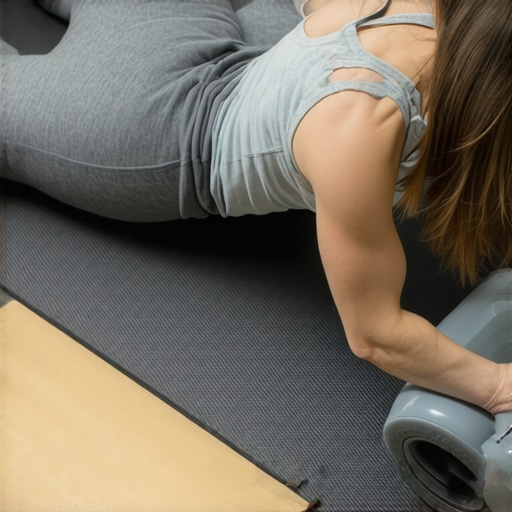
Engage in targeted exercises that strengthen core muscles supporting your spine. The plank, for example, is like a shield for your lower back, providing stability. However, a common mistake is overextending or arching the lower back during the plank, which can worsen discomfort. During my initial attempts, I struggled with maintaining proper form, causing temporary soreness, but with practice, my core became sturdier, and my back pain diminished. Use a mirror or record yourself to ensure perfect form, and always breathe steadily through each movement. For step-by-step guidance, visit this step-by-step guide on neck and back pain.
Consistent Micro-Movements to Promote Flexibility
Micro-movements, like gentle pelvic tilts or spinal twists, serve as lubricants that keep your joints moving freely. I incorporated a 30-second pelvic tilt before getting out of bed each morning, which has significantly improved my morning stiffness. Think of your spine like a well-oiled hinge—regular small movements prevent rust and stiffness. These micro-movements also help in maintaining blood flow and healing. For more effective stretches, explore this collection of chiropractic strategies for back mobility.
Prioritize Restorative Sleep Habits
Sleep positions directly impact spinal health. Avoid sleeping on overly soft mattresses or positions that cause your spine to sag, such as sleeping on your stomach. Instead, opt for a side or back sleeping position with proper support. I personally place a pillow between my knees to maintain hip alignment, which alleviates lower back stress. Consider the firmness of your mattress, as too-soft options can mimic sinking into a trench, compromising support. For tailored sleep tips, see this article on mattress support.
Many believe that pain relief is simply a matter of ‘getting adjusted’ or stretching more, but beneath the surface lie nuanced truths that can make a profound difference in recovery. For instance, it’s a common myth that chiropractic adjustments provide instant and permanent relief; however, research shows that long-term benefits stem from a combination of adjustments, proper movement, and lifestyle adjustments. Over-reliance on quick fixes can trap individuals into cycles of temporary relief without addressing underlying issues, and this is especially dangerous when misreading the signals our bodies send—like mistaking stiffness for flexibility or pain for mere discomfort. Advanced practitioners understand that pain patterns often relate to complex neuro-muscular compensations, not just joint misalignments, and neglecting this nuance may delay healing or worsen symptoms. For example, focusing solely on spinal adjustments without improving core stability or addressing habitual postures might only produce temporary gains. An insightful study in the Journal of Manipulative and Physiological Therapeutics underscores the importance of integrated care approaches, combining chiropractic, movement therapy, and ergonomic modifications for lasting results. So, next time you seek relief, consider not just the tool but the broader context—are your habits supporting or sabotaging your spinal health? Remember, effective long-term care involves recognizing these subtleties, rather than falling for common misconceptions. Have you ever fallen into this trap? Let me know in the comments. For a deep dive into expert chiropractic strategies that foster lasting mobility and pain relief, explore [this comprehensive guide](https://quackersspinal.com/revitalize-your-mobility-proven-strategies-for-back-pain-relief). Stay proactive—your spine’s health depends on it.Maintaining a healthy spine requires more than just occasional stretches or visits to the chiropractor; it involves a set of reliable tools and consistent habits that support your mobility and prevent setbacks. One essential tool I personally rely on is a high-quality lumbar support pillow. I use a memory foam pillow designed to conform to my lower back, which I place on my office chair and sofa alike. This small investment has dramatically improved my posture during long sitting sessions, reducing strain and preventing chronic pain from returning. Believe it or not, even the best ergonomic chair can benefit from an additional lumbar cushion—especially if you’re spending extended hours seated, such as working from home or gaming. For a detailed guide on choosing the right lumbar support, check out this resource.
Another integral component is software that reminds me to move. I use a simple interval timer app that prompts me to stand up and stretch every 30 minutes. Regular micro-movements are crucial to maintaining joint lubrication and muscle flexibility, especially for those of us with desk jobs or sedentary lifestyles. These prompts prevent the formation of stiff, painful areas that can become chronic over time.
For maintaining mobility, I incorporate resistance bands as part of my daily routine. These lightweight, portable tools allow me to perform targeted exercises such as hip hinges and shoulder rolls, which strengthen supporting muscles and improve joint range of motion. The advantage of resistance bands is their adjustable resistance, making them ideal for progressive training as your strength improves. Consistency with these exercises ensures that the supporting structures of your spine stay resilient.
Prediction for the future points toward integrating smart wearable devices that monitor posture and movement in real time. Imagine a future where your wristband alerts you not just when you slouch, but also guides you through corrective movements tailored to your specific needs, all linked to an app providing personalized feedback.
Question: How do I maintain my spinal health over time?
To keep your back functioning well for the long haul, regular check-ins with a qualified chiropractor can fine-tune your alignment and catch issues early. Additionally, leveraging tools like ergonomic supports and personalized routines helps promote resilience and flexibility. I recommend exploring insights from top chiropractors to understand how combining adjustments, right tools, and movement strategies creates a comprehensive approach. Don’t forget, consistent effort paired with these proven tools can help you avoid back pain episodes and maintain optimal mobility. Try integrating a lumbar support pillow into your daily setup and see how it transforms your posture—your back will thank you!
Uncovering the Hidden Traps That Worsened My Pain
One of the most profound lessons I learned was how seemingly minor habits could silently sabotage my back. I used to dismiss micro-movements and ergonomic tweaks as insignificant, but I soon realized that consistency in small adjustments made the biggest difference. Recognizing that soft, sinking sofas contributed to my misalignment was a lightbulb moment—showing me that comfort shouldn’t come at the expense of support.
Why Relying Solely on Quick Fixes Isn’t Enough
I once believed that regular stretching or occasional chiropractic visits would solve my issues, but over time, I understood that true mobility and pain relief come from integrating proactive tools and habits. Listening to my body’s signals and addressing root causes—like strengthening my core and improving sleep posture—are keys I wish I had embraced sooner. This holistic approach, combined with trusted resources, rapidly accelerated my recovery.
The Power of Personalized Tools and Routine
Discovering high-quality lumbar supports and learning to set reminders for micro-movements revolutionized my daily comfort. These tools, paired with personalized exercise routines, fostered resilience in my spine. I now see these investments not as shortcuts but as essential pillars for long-term back health, emphasizing the importance of tailored strategies over generic advice.
Embracing a Mindset of Lifelong Care
The most vital insight was adopting a mindset that prioritizes ongoing care. Maintaining a healthy spine isn’t a one-time effort but a continuous journey involving mindful habits, proper support, and ongoing education. From understanding the significance of ergonomic setups to practicing daily micro-movements, each step has empowered me to stay pain-free and mobile. Remember, small consistent actions can transform your back health—so start today.