How to Get Out of a Car Without Aggravating Sciatica
Ever had that sinking feeling when you try to get out of your car and suddenly feel that sharp throb radiate through your lower back or sciatica? I remember thinking,
“Is this pain something I just have to accept?” It’s a frustrating, all-too-familiar moment that can turn a simple task into a dreaded challenge. One day, after a particularly stiff morning, I realized something had to change. That lightbulb moment kicked off my journey to figure out how to get out of a car without aggravating my sciatica, and I want to share what I discovered with you.
Why Moving Gracefully Out of the Car Matters More Than You Think
Our cars are extensions of our daily routine, but they can also become trouble zones when your back or sciatic nerve isn’t playing nice. Every awkward twist or jerk to exit can send you spiraling into pain, muscle spasms, or even longer-term issues. It’s not just about comfort—it’s about protecting your health and maintaining mobility. I found out that many struggle because they overlook simple, effective techniques that can make all the difference.
Rectifying this isn’t about drastic measures or fancy gadgets; it’s about understanding your body and applying mindful movement. That said, I’ll be honest—my early mistakes included rushing the motion and ignoring the signs my body was giving me. One wrong move, and I paid for it in the form of sleepless nights and stiff mornings. Trust me, I’ve been there. But with a few adjustments and tricks—some of which I detail later—you’ll be surprised how much easier this can become. To deepen your understanding of how to recover and improve your mobility, check out this insightful guide.
Is It Really Possible to Get Out of a Car Without Hurting Your Sciatica?
I know what you’re thinking—”This sounds promising, but can I really do it?” Believe me, I questioned the same at first. Early on, I made the mistake of forcing movements that felt natural but actually worsened my pain. That taught me an important lesson: moving mindfully and with proper technique matters immensely. If you’ve faced similar frustrations or feel even a twinge of doubt, you’re not alone. The good news is, with a few targeted strategies, you can make exiting your car less of a risk and more of a smooth, pain-free transition. Ready to learn how? Let’s dive in and reclaim your mobility, starting with what not to do—so you don’t keep making the same mistakes.
Set Your Position Before Opening the Door
Begin by adjusting your seat and mirrors to ensure you can comfortably reach the door handle without leaning or twisting excessively. As I did during one frustrating morning, I realized that pre-adjusting my seat to a slightly more upright position reduced the need to twist awkwardly when exiting, which minimized sciatic nerve compression. This small step is like setting the foundation for a smooth transition.
Shift Your Weight Towards the Door
Before opening the door, shift your hips slightly towards the side you intend to get out on. Think of your pelvis as a balanced seesaw; by leaning a bit in the direction of exit, you prepare your body to move as a coordinated unit, reducing strain. During my own practice, I found that leaning slightly forward and toward the door allowed me to pivot naturally, preventing abrupt twists that spark pain.
Engage Your Core for Support
Activate your abdominal muscles as if preparing for a gentle brace. This acts like a built-in stabilizer, much like a suspension system on a vehicle. For instance, I made it a habit to gently contract my abs while turning my torso, which provided support to my lower back and kept the sciatic nerve safe from sudden jolts. Maintaining this small engagement helps control movement and avoids unnecessary strain.
Use Your Legs to Exit, Not Your Back
When sliding out of the seat, focus on pushing through your heels and standing up gradually. Imagine your legs as sturdy pillars—your primary power source—delivering the motion. During a messy attempt that day, I instinctively twisted my spine to leverage myself out, which ignited pain. Switching to a leg-driven stand, I felt more control and less discomfort. Think of this step as shifting your body’s leverage from a fragile hinge to a solid support system.
Turn Your Body as One Piece
Instead of twisting your torso independently, move your hips, then shoulders, followed by your head as a single unit. It’s like opening a barn door with all hinges moving together, not separately. One time, I tried to turn my upper body first, only to feel a sharp spike in pain. Correcting this technique, I turned my entire frame smoothly, which kept my sciatic nerve in a safe zone and prevented flare-ups.
Practice Mindful Movements Regularly
Consistent awareness of your posture and movement patterns trains your nervous system to adopt safer habits. Incorporating deliberate, slow motions recreates the feeling of controlled choreography—much like rehearsing a dance. Over time, I noticed that these mindful movements became automatic, reducing the chances of accidental twists that trigger sciatica.
To deepen your understanding of spinal health and mobility, explore this insightful guide and consider how chiropractic techniques can complement these strategies. Remember, mastering these steps transforms awkward moments into confident, pain-free movements that protect your back and sciatica for years to come.
Many believe that persistent back or neck pain simply results from aging or an unlucky injury, but this is a oversimplification. The truth is, most people get several nuances wrong that hinder their recovery and mobility. One prevalent myth is that pain always indicates damage needing rest or complete immobilization, but in reality, moving carefully is often beneficial—contrary to popular advice. For example, complete bed rest can actually slow healing and stiffen joints, a fact supported by a 2018 study in the Journal of Orthopaedic & Sports Physical Therapy, which emphasizes controlled movement for better outcomes. Another misconception is that chiropractic care is only for acute injuries; in truth, consistent chiropractic strategies can significantly enhance overall mobility and prevent future issues. To truly understand how these subtle distinctions make a difference, explore how chiropractic care can *not only* relieve pain but also *optimize* your spinal health and function.
Investing in the Right Equipment Makes All the Difference
Maintaining long-term spinal health and mobility isn’t just about exercises and habits—having the right tools can significantly enhance your progress and prevent setbacks. Personally, I prioritize equipment that offers precision, durability, and immediate feedback, which allows me to monitor my condition and adjust accordingly. One such tool I swear by is the TheraBand Resistance Band. Instead of generic stretching, using a high-quality resistance band enables controlled strengthening of my back and neck muscles, addressing imbalances that often contribute to pain. The resistance provides a quantifiable challenge, fostering muscle memory and stability over time.
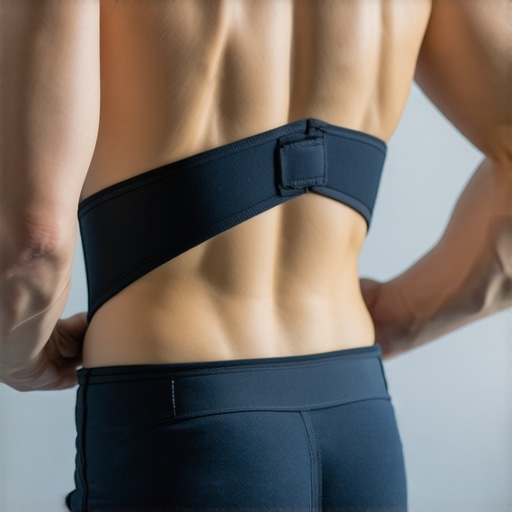
Another game-changer is the Posture Corrector Brace. While I don’t wear it constantly, I find it invaluable during long hours at my desk or driving. It gently retrains my muscles to maintain proper alignment, reducing strain on my neck and upper back. It’s a reminder to hold good posture and prevents me from slouching after extended periods. When combined with regular chiropractic adjustments, it amplifies the benefits and supports my goal of sustainable mobility.
For tracking my progress, I rely on the MyFitnessPal app. It isn’t just for calorie counting; I log my stretching routines, workouts, and even pain levels to identify patterns. Data-driven decisions make my regimen more effective, and I can share insights with my chiropractor to fine-tune my treatment plan. Technology integration is moving toward wearable devices as well, with companies developing smart posture sensors. These gadgets offer real-time feedback, alerting you when your alignment falters, which is especially helpful when practicing movement techniques in daily life.
Future Trends: Elevating Mobility Maintenance with Innovation
The trend is leaning toward personalized, AI-driven tools that adapt to your body’s unique patterns. Wearables that monitor muscle activity and spinal alignment in real-time are becoming more accurate and affordable. This technological leap means that managing back and neck health will soon become more proactive rather than reactive. I anticipate a future where small, unobtrusive devices seamlessly integrate into our daily routines, providing instant feedback and tailored exercises—making long-term maintenance easier and more effective.
How do I maintain my mobility tools over time?
To ensure your equipment stays effective, routine maintenance is essential. For resistance bands, this means inspecting for tears or overstretching and replacing them when needed. Calibration of digital devices or apps should be checked periodically to ensure accurate readings. Regular cleaning of wearable sensors or braces removes dirt and sweat that can degrade their performance. Remember, high-quality tools require just as much care as your body does, so dedicate time each month to their upkeep. Implementing a maintenance checklist can help keep everything in optimal condition, supporting your long-term spinal health goals.
For deeper insights on natural mobility enhancement, explore this comprehensive guide and consider integrating chiropractic strategies that complement your tools. Start with one advanced tip—like using resistance bands with proper feedback—and see how it transforms your routine. Small, consistent improvements today lead to sustained, pain-free movement tomorrow.
What I Wish Someone Told Me About Moving Safely Out of a Car
One of the toughest lessons I learned was that rushing the exit process only worsened my pain. Taking the time to adjust my seat and plan my movements made all the difference. It’s a reminder that patience and mindfulness are vital in protecting your spine.
The Hidden Power of Small Technique Tweaks
Simple adjustments, like engaging your core or shifting your weight properly, can dramatically reduce discomfort. I realized that these tiny mindfulness practices could turn a painful routine into a comfortable habit—something I now encourage everyone to embrace.
Why Ignoring the Details Can Cost You
I used to overlook the importance of body positioning until I experienced setbacks from neglecting these nuances. Small details, such as how you turn or stand, hold the key to long-term relief and mobility preservation. Learning these lessons the hard way taught me to pay attention to the subtleties.
My Most Unexpected Discovery Might Help You Too
In researching and practicing, I found that consistent, mindful movements built resilience over time. This wasn’t about drastic routines but about integrating gentle habits into daily life—like routines I explore in more depth here. Remember, small mindful actions accumulate into major lifelong benefits.
Curated Tools That Made a Difference for Me
Using resistance bands helped me strengthen my back gradually, and the right postural supports prevented accidental strain. I also rely on apps like MyFitnessPal for tracking movement patterns, which keeps me accountable. These tools complement chiropractic care and reinforce healthy habits—more details are available on this page.
Find Your Path—No Need to Overthink It
Improving mobility and reducing pain isn’t about perfection but persistence. Start with small, mindful changes, and gradually build confidence in your routines. As I’ve learned, consistency over perfection paves the way to lasting relief and restored movement. If you’re ready to take the next step, explore strategies here and here.
Your Next Move Toward Freedom of Movement
Your journey to pain-free movement starts today. Don’t let misconceptions or overlooked habits hold you back from regaining your mobility and comfort. Remember, every mindful step you take now is an investment in a healthier, more active future. Are you prepared to make that change? Share your thoughts below—I’d love to hear your experiences with implementing these insights.