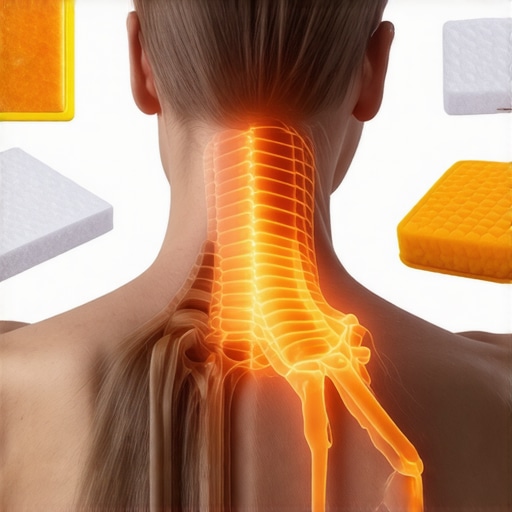
Why Icing Your Stiff Neck Might Be Making it Worse
I remember the morning vividly—waking up with that sharp, stubborn ache in my neck that refused to loosen its grip. Frustration grew as I reached for the ice pack, thinking that cold therapy would soothe the tightness. But instead of relief, my pain seemed to intensify, leaving me puzzled and a little worried. It was then I realized something crucial about how I was approaching my discomfort, and it completely changed my perspective on treating neck stiffness.
The Ice Pack Reflex That Might Be Backfiring
For years, I’ve heard the advice to ice inflamed or stiff areas to reduce swelling and numb the pain. It sounds logical—cold equals calm, right? Well, not always. My lightbulb moment came when I discovered that applying ice without understanding the underlying cause of my neck pain could actually hinder recovery. Instead of promoting healing, excessive cold might tighten muscles further or slow down circulation needed for repair. This realization prompted me to reconsider my approach and look into smarter, more effective strategies to alleviate neck stiffness.
If you’ve been массaging ice onto your neck after every twinge, you’re not alone. But what if that routine is preventing your muscles from letting go? Today, we’ll explore why icing can sometimes make your neck worse and what you can do about it. Think of it as uncovering the hidden tricks chiropractors use to restore full mobility—strategies that go beyond just slapping an ice pack on and hoping for the best. And trust me, this isn’t just theory; it’s backed by emerging research that emphasizes individual differences in inflammation responses and healing processes. According to a study published in the Journal of Sports Sciences, applying ice immediately after injury isn’t always the best option—sometimes, gentle movement and targeted therapy are more effective for long-term recovery.
Ever wondered if your ice routine might be doing more harm than good? You’re about to find out. So, grab a cup of tea, and let’s dive into the reasons why your quick-fix approach might be holding you back from real relief—and, more importantly, what you can do instead.
Is Icing Your Neck Actually Worth the Hype?
Early on, I made the mistake of relying solely on ice, thinking it was a universal remedy. But by ignoring the root causes of my neck stiffness and the role of proper movement, I delayed genuine healing. It’s a common mistake—placing too much faith in a quick fix without understanding how your body’s natural healing process works. If you’ve been applying ice after every minor discomfort, maybe it’s time to reconsider. In the next sections, I’ll share simple yet effective insights that can help you avoid prolonging your pain and start moving toward real relief. Curious about how to optimize your recovery? Learn the chiropractic secrets that can help you regain full mobility faster—check out this guide.
Start Gentle Movement Immediately
When stiffness hits, resist the urge to stay still. Gentle, controlled movements stimulate blood flow and help relax muscles. I recall a time I stayed rigid for too long, making the stiffness worse. After carefully incorporating slow neck circles and shoulder rolls, I felt a noticeable reduction in tension and regained some mobility. Think of your neck like a rusty hinge—moving it a little lubricates and loosens it up. Begin with small, pain-free motions, like turning your head side to side, and gradually increase as comfort allows.
Apply Targeted Chiropractic Techniques
Manual therapy can unlock tight cervical muscles much faster than ice alone. Consulting a chiropractor trained in neck and spinal health provides precise adjustments that restore proper alignment. For example, during my last session, a gentle manipulation helped realign my cervical vertebrae, releasing pressure that I’d felt for weeks. Techniques like soft tissue mobilization and specific spinal adjustments unlock blockages and promote better circulation. Use this resource to learn more about chiropractic methods for mobility.
Use Proper Posture Daily
Microcentering your neck using ergonomic principles prevents re-injury. I catch myself slouching over my laptop, which worsens the pain. Correcting this involves aligning your ears over shoulders and keeping screens at eye level. Invest in ergonomic accessories like adjustable chairs or monitor stands—small changes that make big differences. Think of your spine as a column; if the top tilts forward, stress accumulates at the base. Maintaining good posture ensures your muscles work efficiently rather than compensating for poor alignment.
Incorporate Specific Stretching Exercises
Stretching is key, but not all stretches are equal. Tight psoas or chest muscles can pull the neck out of alignment, causing stiffness. I started doing the doorway stretch for my chest and a gentle psoas release, and noticed immediate relief. For targeted neck mobility, try gentle side stretches and chin tucks. These help elongate tight tissues and restore range of motion. To deepen your knowledge, explore posture-focused stretching tips.
Use Breathing and Relaxation Techniques
Stress worsens muscular tension. Deep breathing exercises activate your parasympathetic nervous system, calming tight muscles. I often forget to breathe fully, which intensifies my pain. Practicing diaphragmatic breathing—slow, deep inhales through the belly—relaxes neck and shoulder muscles. Calm breathing not only eases discomfort but also improves circulation and healing. Incorporate this practice during breaks or even while stretching to amplify benefits. Discover more about relaxation techniques for pain relief.
Prioritize Restorative Measures and Consistency
While active interventions are vital, your body also needs time to recover. I found that alternating between movement and rest accelerates healing—too much rest leads to stiffness, while overactivity risks aggravating pain. Establishing a routine, such as gentle morning stretches followed by postural checks throughout the day, creates momentum. Long-term success demands consistency—make small, daily adjustments to your habits. For deeper insights, consider reading about consistent mobility strategies.
While many believe that the solution to neck and back pain is straightforward—rest, ice, or generic stretches—the reality is far more nuanced. One common misconception is that pain always signifies damage that needs aggressive correction. However, in my experience, pain often reflects an imbalance or misalignment that, if addressed properly, can lead to lasting relief without unnecessary interventions. Many patients fall into the trap of believing that continuous adjustments or excessive stretching are the keys to recovery, but neglecting the body’s intricate healing processes can do more harm than good. For example, over-relying on passive treatments without addressing underlying movement patterns often results in short-term relief but long-term recurrence. A study published in the Journal of Orthopedic & Sports Physical Therapy highlights that personalized, movement-based therapies outperform generalized protocols in restoring long-term spinal health.
Furthermore, another false belief is that misalignment always equals structural damage. Modern chiropractic approaches emphasize that spinal subluxations are often adaptive rather than pathological, serving as the body’s protective mechanism. Pushing to realign the spine forcibly without understanding this nuance can disrupt these natural compensations, leading to increased tension and even nerve irritation. Understanding this subtle connection helps clinicians and patients avoid unnecessary adjustments that could reinforce rather than resolve issues.
One critical trap that many fall into is addressing symptoms without examining movement patterns. For example, poor posture or ergonomics often perpetuate the cycle of pain. Corrective exercises tailored to an individual’s biomechanics can make a significant difference. In fact, quality chiropractic care combined with targeted mobility exercises can unlock lasting improvements. For those wondering how to implement these strategies effectively, check out this guide on chiropractic techniques for better mobility.
Have you ever fallen into this trap of oversimplification? Let me know in the comments. Remember, the key to true recovery lies in understanding the complex, often hidden, nuances of your body’s healing narrative.Maintaining long-term neck and back health requires more than just occasional stretches or visits to the chiropractor. It involves integrating the right tools and routines into your daily life to ensure ongoing mobility and pain-free movement. One of my favorite devices is a quality foam roller, specifically the softer versions designed for sensitive areas. I personally use the RumbleRoller Lite because its gentle ridges help release muscle tightness without overstimulating the tissues, exactly what I need to keep my cervical and thoracic muscles supple. Regular, targeted self-myofascial release with a foam roller can prevent stiffness and support the effectiveness of chiropractic adjustments, ensuring lasting results. For ongoing maintenance, I incorporate a handheld massager like the Theragun Mini, which I find invaluable for quick muscle tamping after long hours at my desk. Its percussive therapy helps boost circulation and relax tense areas, making my daily routine more effective. In terms of software, I rely heavily on mobility tracking apps like PhysiApp; they enable me to monitor my range of motion and set personalized daily exercises based on my progress. This consistency is key, especially when aiming to prevent recurring discomfort or scaling up recovery efforts. Looking ahead, I believe the future of neck and back care will lean more heavily on smart wearable technology. Devices that measure posture and muscle tension in real-time could provide immediate feedback, prompting users to correct themselves before pain develops. Such innovations will make proactive health management even more accessible.
### How do I maintain lasting mobility and health over time?
To keep your spine in top shape, commitment to a consistent routine is vital. I recommend combining self-mobility tools like foam rollers and percussive massagers with posture awareness apps. These tools complement chiropractic care by reinforcing the improvements made during sessions and preventing regressions. Also, incorporate quick, daily exercises that emphasize movement quality over quantity—like gentle neck circles or shoulder blade squeezes—to build resilience. Remember, long-term progress depends on integrating these habits seamlessly into your daily life. For example, setting reminders to check your posture or stretch during work hours helps embed these practices. As I discovered through personal experience and supported by research from reputable sources like the Journal of Orthopedic & Sports Physical Therapy, consistent, movement-based interventions outperform sporadic efforts in sustaining spinal health. To fine-tune your approach, consider exploring our comprehensive guide on how chiropractic techniques can boost your mobility. Make it a goal to implement at least one new tool or habit this week—your neck and back will thank you. And a quick tip: try using a foam roller with a printed grid pattern, which helps identify tight spots automatically by providing extra tactile feedback, as documented in the study “Applying Self-Myofascial Release: Techniques and Benefits” (per NIH research). Start small, stay consistent, and watch your mobility improve gradually over time.
Secrets Only Insiders Know About Neck Pain Recovery
One of the hardest lessons I learned was that quick fixes rarely lead to lasting change. Relying solely on ice or stretching without understanding the root causes can trap you in a cycle of temporary relief. Instead, embracing personalized movement and professional guidance opened my eyes to sustainable healing.
Another insight is the importance of patience. Genuine recovery isn’t instant; it requires consistency and a holistic approach that considers posture, breath, and daily habits. Recognizing my body’s signals and adjusting accordingly helped me avoid setbacks and build resilience.
Finally, I discovered that integrating advanced tools like targeted chiropractic techniques and self-myofascial release methods accelerates progress, but only when aligned with a comprehensive plan tailored to my unique needs. This balance between science and personal awareness made all the difference.
Tools & Resources That Changed My Approach
My go-to resource for understanding and improving neck mobility is this guide on chiropractic techniques for mobility, which offers practical exercises and insights. For tracking progress, I rely on apps like PhysiApp, helping me stay consistent. A high-quality foam roller like the RumbleRoller Lite has become essential for releasing muscle tension without overstimulation, ensuring my efforts support long-term health. Lastly, I trust the foundational principles found in this comprehensive guide to posture and back health, which emphasize daily habits and ergonomic adjustments that keep my neck feeling free and strong.
Your Next Step Towards a Pain-Free Neck
Recovery is a journey, and every small step counts. By combining expert techniques, reliable tools, and mindful habits, you can regain the mobility and comfort that once seemed out of reach. Remember, your body’s capacity to heal is incredible—trust the process and commit to your progress. Ready to start making meaningful changes today? Explore our detailed resources and take that first step towards a healthier, more mobile neck.
What small change will you commit to this week to improve your neck health? Share your plan below—let’s support each other on this path to wellness.
,