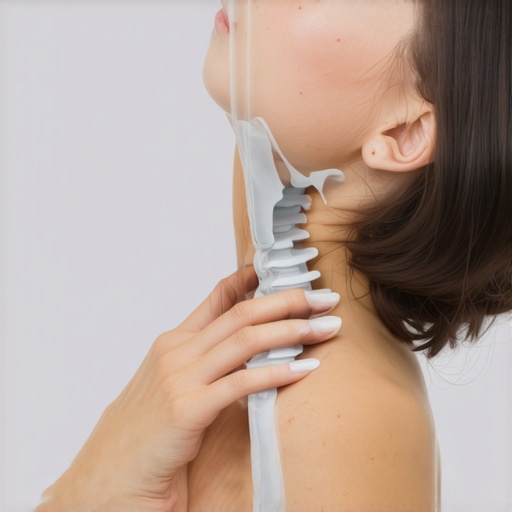
Why You Should Stop Rolling Your Neck in Full Circles
As I sat in yet another chiropractic appointment, head spinning from the endless neck rotations I thought were helping, I experienced a lightbulb moment. I realized that my frequent, compulsive neck rolling was actually fueling my discomfort rather than curing it. That day, I promised myself I’d dig deeper to understand why this common habit might be doing more harm than good for my neck and mobility.
If you’re like me, you might have brushed off that persistent neck stiffness or tightness, thinking a few quick circles would loosen things up. But over time, I came to see that this habit could be a trap—one that keeps many of us stuck in a cycle of pain. Today, I want to share what I’ve learned about why you should stop rolling your neck in full circles and what you can do instead to improve your comfort and movement.
The Hidden Damage Behind Neck Circles
Many people, myself included at first, believe that gently rotating the neck in circles is a safe way to release tension. It’s a common habit that feels intuitive—after all, it’s quick, easy, and seems harmless. However, the reality is quite different. Repeatedly performing full neck circles can place undue stress on your cervical spine, ligaments, and muscles. Over time, this can lead to increased irritation, muscle weakness, and even joint instability.
I learned from personal experience—and backed by expert insights—that rather than helping, this habit can exacerbate existing issues. Chiropractors often see patients who come in with worsened symptoms caused by such repetitive, unstructured movements. For example, studies indicate that excessive neck movement in a repetitive or forceful manner might contribute to degenerative changes in cervical joints ([source](https://quackersspinal.com/unlock-neck-pain-relief-expert-tips-for-lasting-comfort)).
So, what if there’s a better way? A method that respects your body’s limits and promotes real healing. That’s exactly what I started exploring next, and I’ll walk you through those insights very soon.
Is Your Neck-Rolling Habit Doing More Harm Than Good?
I’ll admit, I made the mistake early on of dismissing the importance of proper neck movement. I thought I was just relieving tension, but I overlooked how aggressive movements could strain delicate structures. That my friends, is a mistake many of us make until it’s too late. If you’ve been rolling your neck regularly and wonder if it’s a problem, you’re not alone. But the truth might surprise you—sometimes, less is more, especially when it comes to your neck.
Next, I’ll unveil practical strategies to move your neck safely and effectively, helping you regain mobility without risking further discomfort. Ready to take control of your neck health? Let’s get started.
Stop the Neck Roll Ritual
First, recognize that repetitive full-circle neck movements can do more harm than good. Instead, gently tilt your head forward, backward, and side to side, holding each position for a few seconds. This controlled approach minimizes strain and helps maintain spinal integrity. I once caught myself unconsciously doing neck circles during a dull meeting; replacing this with slow tilts kept my neck comfortable and reduced tension.
Incorporate Targeted Neck Stretches
Focus on specific stretches that gently extend your neck muscles—such as chin tucks or side stretches—rather than uncontrolled rotations. For example, perform a chin tuck by retracting your chin toward your neck, feeling a gentle stretch along the back of your neck. This technique aligns with expert advice to avoid forceful movements and promotes better posture. A personal moment: I practiced chin tucks daily during my work, noticeably alleviating morning stiffness.
Use Breathing to Enhance Mobility
Deep, diaphragmatic breathing can relax neck muscles and improve movement. Inhale slowly through your nose, expanding your chest and belly, then exhale fully. This calming practice reduces muscle tension and prepares your neck for gentle stretches. Once, I added mindful breathing before stretching and found it more effective, allowing me to move without discomfort.
Develop a Consistent Routine
Consistency is key. Set aside a couple of minutes daily for gentle neck mobilization—alternating between tilts, side bends, and controlled isometric holds. This regularity strengthens stabilizing muscles and prevents stiffness. I started with morning routines, enabling me to start the day pain-free. For more detailed strategies, explore expert-approved neck management tips.
Optimize Your Environment for Better Alignment
Ensure your workspace promotes proper neck posture. Adjust your monitor to eye level, support your back, and avoid craning your neck forward. Small adjustments like ergonomic pillows or supportive chairs can significantly impact your neck health. I improved my desk setup, which contributed to a marked decrease in tension and prevented the urge to perform compulsive neck circles.
When it comes to chiropractic and musculoskeletal health, many of us buy into misconceptions that can inadvertently sabotage our progress. One prevalent myth is that continuous cracking or popping sounds in the neck or back are signs of relief, but in reality, these noises often signal joint instability or ligament laxity, which can worsen with repetitive manipulation if not properly addressed. Relying solely on quick fixes, like frequent adjustments without implementing lifestyle changes, can lead to dependency or even exacerbate underlying issues, as highlighted in recent research indicating that over-manipulation may contribute to accelerated joint degeneration ([source](https://quackersspinal.com/unlocking-neck-pain-relief-expert-tips-for-lasting-comfort)). An advanced mistake many practitioners and patients overlook involves neglecting the deep stabilizing muscles that support the spine. Focusing only on superficial manipulations misses the importance of targeted strengthening of core and multifidus muscles, which are crucial for long-term stability and mobility. Failing to incorporate multidimensional assessments can also cause misdiagnoses; for instance, sacroiliac joint dysfunction is often misattributed to lumbar disc issues, leading to ineffective treatment plans and wasted time.
Have you ever fallen into this trap? Let me know in the comments. The key is understanding that true mobility and pain relief come from a holistic approach—combining precise adjustments with muscle retraining, posture correction, and lifestyle modifications. Recognizing that not all pain can or should be ‘fixed’ with a snap or a crack shifts the focus toward sustainable health strategies. For advanced insights on this, exploring our cornerstone content on better posture and mobility can be enlightening, helping you navigate the nuances of effective treatment and self-care.Maintaining optimal spinal health requires more than just temporary fixes; it involves the right tools, consistent routines, and knowing what to use over the long run. One of the most effective investments I’ve made is in a high-quality ergonomic office setup, including an adjustable standing desk and supportive ergonomic chair, which help me maintain proper posture throughout the day. For targeted stretching and mobility, I swear by a professional-grade foam roller, specifically the TriggerPoint GRID Foam Roller, which gently releases muscle tightness along my back and neck areas. It’s surprising how much tension can accumulate unnoticed, and this tool allows me to address it effectively at home.
In addition, I find that incorporating a gentle cervical traction device, like the NeckStretcher, alleviates persistent neck stiffness. It provides gentle, controlled stretching that I can customize, preventing me from resorting to risky full neck circles. My routine also includes a set of resistance bands such as Theraband for strengthening stabilizer muscles, crucial for long-term mobility and injury prevention. I personally use the bands to improve shoulder stability, which directly impacts neck comfort and reduces the tendency to over-rely on quick, harmful movements.
On the software side, I’ve been experimenting with posture coaching apps like Upright GO, which provides real-time feedback on my head and neck alignment during daily activities. It’s a game-changer for maintaining awareness and ensuring consistency in my habits.
Looking ahead, I predict that wearable technology integrated with AI will become more personalized, offering real-time adjustments and feedback based on your movement patterns. This could revolutionize how we approach long-term spinal health, making proactive care accessible and adaptive.
How do I keep my mobility in check as time goes on?
Regular use of targeted tools like foam rollers and resistance bands, combined with ergonomic workspace adjustments and smart tech, makes a significant difference. Ensuring a schedule that emphasizes daily gentle stretches—focusing on controlled movements rather than risky full circles—is vital. I also schedule periodic check-ins with my chiropractor to reassess and tweak my routines. For deeper insights into maintaining back health naturally, check out this comprehensive guide.
Don’t wait until discomfort becomes chronic. Try incorporating a foam roller into your routine today and feel the difference it can make in your long-term mobility. For expert advice tailored to your needs, reach out to a professional and develop a plan that suits your lifestyle.
What My Neck-rolling Habit Taught Me About Self-Care
Sometimes, our most instinctive habits hide surprising truths. I learned that my unconscious neck circles weren’t helping but instead were subtly damaging my spine, revealing how easy it is to overlook small movements’ impact. Recognizing this shifted my entire approach to self-care, emphasizing gentle, intentional motion over quick fixes.
How Personal Experience Revealed What Truly Supports Long-Term Healing
After years of trial, error, and guidance from experts, I realized that sustainable neck health relies on targeted, controlled movements rather than repetitive, forceful motions. Embracing recommended techniques—like controlled tilts and proper posture—proved to be the game-changer, underscoring the importance of listening to your body and trusting scientifically-backed methods.
The Power of Small Changes and Mindful Routine tweaks
Incorporating small, consistent habits—such as daily gentle stretches or ergonomic adjustments—has profoundly impacted my mobility. These tiny shifts, compounded over time, prevented many issues I once thought were unavoidable. My journey highlights how cultivating awareness and patience can lead to long-lasting improvement, especially in delicate areas like the neck.
Curated Resources That Deepened My Understanding
For anyone eager to explore this topic further, I recommend starting with this comprehensive guide on posture and mobility. Additionally, expert tips on neck pain relief helped me refine my routines. And for practical tools, I swear by a quality foam roller like this one, which addresses muscle tightness at home effectively.
Embrace Your Power—Start Moving Smarter Today
Remember, real change begins with awareness and deliberate action. Your neck and mobility are deserving of gentle, effective care. Don’t let old habits or misconceptions hold you back—take control now and experience the difference mindful movements can make. Your journey towards better neck health and flexibility is just a thoughtful step away.