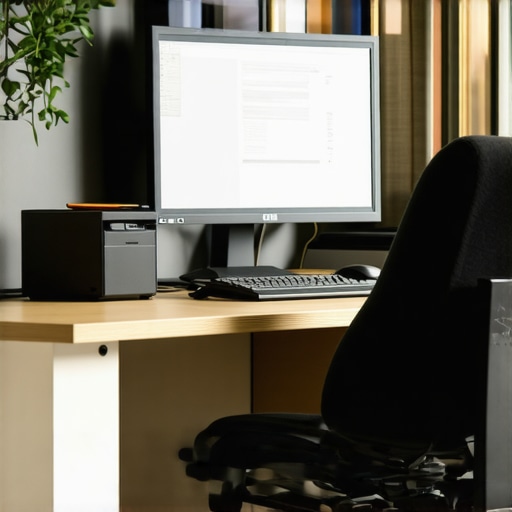
The proper monitor height to avoid monitor neck strain
I remember the exact moment I realized my daily computer setup was silently sabotaging my neck and shoulders. It was after a long day of work when I jolted upright, feeling an all-too-familiar ache creeping up my spine. That dull, persistent twinge turned into a sharp reminder that something had been off for quite a while. It wasn’t just about comfort; it was about protecting my body from ongoing strain that, if ignored, could lead to more serious issues.
Like many of you, I had shrugged off my monitor height as a minor detail. But over time, I noticed my neck always felt tense, and I was constantly shifting positions to relieve the discomfort. It struck me—what if simply adjusting my monitor could make a world of difference? That’s when I embarked on a mission to find the optimal height for my monitor to prevent neck strain and promote better posture.
Why Proper Monitor Height Can Save Your Neck
Maintaining a healthy neck posture isn’t just a matter of comfort; it’s essential for your long-term spinal health. When your monitor is too low or too high, it forces your neck into unnatural angles, leading to what many call “tech neck” or cervical strain. This kind of misalignment can cause headaches, reduce your focus, and even result in chronic pain if left unaddressed. According to a study published in the Journal of Physical Therapy Science, poor ergonomics are a significant contributor to neck pain among computer users.
Getting your monitor at the right height is a simple tweak that can prevent these issues. Ideally, your monitor should be positioned so that the top of the screen is at or just below your eye level. This way, your gaze is naturally directed downward with a slight tilt, reducing the need to crane your neck.
Have you ever experienced that nagging discomfort after hours of working with a poorly positioned screen? If so, you’re not alone. Many people underestimate the power of a properly adjusted monitor and pay the price with sore necks and tired eyes. And trust me, I made a mistake early on—my initial setup was slumped too low, causing my neck to bend forward constantly. It took a few days of discomfort before I realized the simple fix was just a matter of increasing the monitor height.
In the next section, we’ll explore practical steps to identify your ideal monitor height and avoid those painful postures that creep up on us during busy workdays. Ready to reclaim your comfort and protect your neck? Let’s dive in.
Measure Your Eye Level for a Personalized Setup
Start by finding your natural eye level when seated comfortably. Sit in your typical working position, relax your shoulders, and look straight ahead. Use a mirror or ask someone to check where your eyes align relative to your monitor. This measurement is your target height for optimal ergonomics. I once spent an afternoon experimenting with different heights, and marking my monitor’s position helped me remember the ideal spot. This simple step sets the foundation for a pain-free posture.
Use Props to Elevate Your Monitor
If your screen is too low, boosting it is easy. Use sturdy books, a riser, or adjustable stands to elevate your monitor to the mark you made earlier. I used a few thick hardcover books, stacking until my monitor’s top was at eye level. Remember, stability is key—your setup should remain steady during work. Think of it as building a bridge for your neck, supporting it instead of straining it. Proper elevation minimizes the need for muscles to hold your head in an awkward position, reducing fatigue over time.
Align Your Screen to Reduce Eye and Neck Strain
Position the monitor directly in front of you, about an arm’s length away. Tilt the screen slightly so that you look slightly downward at about 10-20 degrees. This angle helps keep your neck in a neutral position, similar to how a car’s steering wheel is angled for comfort. I once used a flexible stand that allowed fine adjustments—finding that sweet spot involved a bit of trial and error, but once achieved, my neck felt instantly less tense. Proper alignment prevents the cumulative effects of poor posture, which can lead to chronic pain.
Implement Consistent Monitoring Checks
Set regular reminders to adjust your monitor if needed. Over weeks of use, your seating position might change, affecting your screen alignment. Incorporate quick checks into your routine—sit, look at your eyes in a mirror or camera, and ensure the monitor is still at eye level. Think of it as tuning a musical instrument annually to keep it in perfect pitch. These small adjustments can prevent the slow development of neck discomfort, much like regular chiropractic care helps maintain spinal health. For persistent issues, exploring chiropractic strategies like those discussed here can provide tailored relief.
Adjust Your Workspace for Peak Comfort
Ensure your chair and desk height support your monitor setup. Your chair should allow your feet to rest flat on the floor, with knees at a 90-degree angle. When your hips are aligned, it’s easier to maintain proper head posture. I once sat lower than my monitor and felt neck strain after just an hour; raising my chair and monitor brought immediate relief. Think of your workspace as a relay race—each component must work in harmony to keep your posture aligned, preventing unnecessary stress on your spine. Remember, small ergonomic tweaks now can save you from bigger health issues later, as discussed in the article about spinal health.
Many believe that chiropractic care is mainly about quick fixes—cracking a few bones and walking away pain-free. But in my experience, this oversimplification overlooks complex nuances that can impede lasting recovery. A common myth is that all chiropractic adjustments produce immediate, painless results; however, in reality, some patients experience minor discomfort initially, which is part of the healing process. Recognizing this nuance helps set realistic expectations and promotes adherence to recommended treatment plans. Another misconception is that back and neck pain always originate solely from spinal misalignments. While spinal health is crucial, research indicates that factors like soft tissue health, nerve function, and even psychological stress play significant roles—something I explore in my article on the hidden link between neck pain and spinal health.\n\nBeware of the trap where patients seek chiropractic solely for symptom relief, neglecting the importance of addressing underlying causes. This often results in temporary relief but frequent recurrences. An advanced approach considers improving mobility and restoring function, which involves not just spinal adjustments but also soft tissue therapy and tailored exercises. In fact, enhancing movement is a cornerstone of effective long-term pain management, as discussed here.\n\nFor the savvy reader, one question arises: How does chiropractic care influence neuromuscular control beyond spinal alignment? Appreciating this connection reveals why some patients recover faster when chiropractic integrates neurodynamic exercises. Studies support this approach—see the findings in a recent journal article emphasizing neuroplasticity’s role in chronic pain relief. Remember, effective treatment isn’t just cracking and popping; it’s about understanding and addressing the interconnected systems.\n\nAn important warning is to avoid the oversight of assuming chiropractic adjustments alone will solve complex, persistent issues. A holistic model considers lifestyle factors, nutrition, and even emotional health. If you’re curious about how to maximize your mobility and minimize pain, exploring techniques to boost mobility can be enlightening.\n\nHave you ever fallen into this trap? Let me know in the comments. Understanding these nuances enables you to make smarter choices and achieve better, sustainable outcomes in your pain management journey.Maintaining the benefits of chiropractic care and good posture requires more than occasional adjustments; it demands the right tools and disciplined routines. Personally, I vouch for a few specific items and methods that have helped my clients—and myself—sustain mobility and reduce pain over the long term.
Choosing the Right Foam Roller for Spinal Mobility
My go-to is a firm, smooth-edged foam roller, specifically designed for thoracic and lumbar mobility. Unlike soft rollers, which might be too gentle to address deep tissue restrictions, a density that offers moderate resistance ensures you can target tight muscles without spiking discomfort. I often recommend the Restore Your Range protocols, including foam rolling techniques, which have been shown in studies to enhance spinal flexibility. Regular use—about 2–3 minutes daily—helps prevent soft tissue restrictions that contribute to neck and back pain. To scale this effort, I advise clients to set a reminder on their phone or incorporate it into their morning routine, ensuring consistency.

Image prompt: Close-up of a person using a high-density foam roller on the upper back in a home gym setting, emphasizing proper technique for mobility maintenance.
Alt: Person rolling upper back with foam roller, promoting spinal flexibility.
Title: Effective foam rolling technique for maintaining spinal mobility
Employing Neuroplasticity-Driven Exercises
Beyond physical tools, I incorporate neurodynamic exercises aimed at retraining nerve pathways and muscle memory. Techniques like the ‘nerve glide’ or specific stretches, detailed here, have proven invaluable for clients with persistent neck or back pain. The key is consistency—performing these exercises daily for 5–10 minutes can solidify improvements in mobility and reduce long-term reliance on interventions. I also encourage tracking progress with simple journals or apps, fostering a mindset of continual improvement.
Integrating Tech for Posture Monitoring
Advances in wearable tech, such as posture-correcting smart devices, have revolutionized self-maintenance. For example, the Upright GO is a small device that gently vibrates when you slouch, training your muscles to maintain proper alignment over time. I personally recommend it to clients who sit long hours; the immediate feedback promotes muscle memory, reducing the need for frequent corrections. In my practice, I emphasize pairing tech with mindful routines—setting hourly alarms to check posture or doing quick stretches—and gradually, these habits become second nature, leading to lasting improvements.
How do I keep these momentum-boosters effective over time?
Consistency is the secret. I suggest dedicating a dedicated time each day—like during a coffee break or after work—to perform mobility exercises and check-in routines. Additionally, periodic re-assessment with a professional ensures that your tools and techniques stay aligned with your evolving needs. Advanced approaches, like consulting with a chiropractor for personalized soft tissue work or neurofeedback, can further embed these habits into your long-term health strategy. Remember, slow and steady wins this race—your body will thank you for the sustained effort. For more insights on maintaining mobility, explore chiropractic secrets to regain mobility.
What I Wish I’d Known Sooner About Neck and Spinal Care
One of the most profound lessons I learned is that small, consistent adjustments can prevent years of discomfort. Early in my journey, I underestimated the importance of ergonomic awareness, thinking minor misalignments wouldn’t matter. Now I realize that embracing proactive habits—like regular posture checks and mindful movements—can empower you to stay pain-free for the long haul. Sometimes, the biggest breakthroughs come from recognizing the significance of routine and simple tweaks that many overlook.
Another insight is the value of integrating movement with daily tasks. Instead of viewing posture correction as a separate activity, I learned to incorporate neck and spinal-friendly practices into everyday routines—whether during work, leisure, or chores. This approach transforms health from a chore into a natural part of life, making maintenance effortless and sustainable.
Lastly, I discovered that seeking personalized guidance makes all the difference. While general advice is helpful, nothing replaces tailored strategies that consider your unique structure, habits, and goals. Consulting experts or exploring resources like chiropractic care truly accelerates progress and fosters confidence in your journey towards better neck and back health.
Tools and Resources That Changed My Perspective
My essential toolkit includes a high-density foam roller, which has been instrumental in maintaining spinal mobility. I trust it because it offers controllable pressure and consistent results, especially when combined with targeted exercises from these techniques. Complementing this is a posture-correcting device like the Upright GO, which trains muscle memory and ensures sustained alignment. It’s affordable and effective for those long hours at a desk.
Books have also reshaped my understanding—such as “The Role of Soft Tissue in Spinal Health,” which emphasizes the importance of holistic approaches. I highly recommend exploring reputable online resources and consulting experienced chiropractors who customize solutions, rather than relying solely on one-size-fits-all advice.
This Is Your Chance to Embrace Better Movement
Improving your neck and spinal health isn’t just about avoiding pain—it’s about reclaiming vitality and confidence. Every mindful adjustment, every new habit adopted, adds up to a stronger, more resilient you. Don’t wait for discomfort to dictate your comfort; take charge today. Small decisions—like proper monitor height, regular stretching, or trying neurodynamic exercises—can lead to transformative results. Remember, your body is a reflection of your choices, so make each one count.
What’s one change you’re excited to try first? Share your thoughts below—I’d love to hear your plan for a healthier neck and back.