Why we adjust the pelvis to help with chronic neck stiffness
It happened on a particularly stressful Monday morning. I was sitting at my desk, feeling a familiar tightness creeping up my neck, that stubborn stiffness that just won’t go away. I tried stretching, adjusting my chair, even leaning back and staring at the ceiling, but nothing seemed to help. Suddenly, it hit me—my discomfort might be connected to something I’d overlooked: my pelvis. Yes, the very foundation of our posture could be influencing my neck pain. This lightbulb moment changed everything.
Connecting the Dots: Why Your Pelvis Matters for Neck Comfort
For years, I focused solely on my neck and shoulders when dealing with pain, ignoring the root cause lurking in my lower back and hips. I soon learned from experienced chiropractors that our body’s alignment is a complex, interconnected system. A misaligned pelvis can throw off your entire posture chain, leading to compensations higher up in the neck and shoulders. In fact, some studies suggest that pelvis adjustments can significantly reduce chronic neck stiffness and improve overall mobility (source).
Early in my journey, I made the mistake of only targeting my neck, which was like trying to fix a leaky roof without checking the foundation. It was frustrating, and the pain persisted. It wasn’t until I addressed my pelvic alignment that I truly started to experience relief. This insight opened up a new perspective on how we approach chronic discomfort and highlighted the importance of holistic care.
Does Pelvic Adjustment Really Help with Neck Pain?
Many people dismiss the idea of pelvis adjustments as a gimmick. I was skeptical at first, too. But after witnessing and experiencing the difference firsthand, I realized that the connection is real. Proper pelvic alignment can restore balance, reduce strain on the cervical spine, and promote natural movement patterns. Curious if this could work for you? The answer might be yes, especially if you’ve struggled with persistent neck stiffness despite conventional treatments.
So, are you tired of neck discomfort that just won’t quit? Have you tried everything—from pillows to stretches—and still feel stuck? If so, stay tuned. I’ll guide you through some practical, evidence-based steps to unlock better mobility by focusing on what’s often overlooked—the pelvis. And trust me, understanding this link could be a game-changer in your pain management journey.
Start with Pelvic Awareness and Assessment
My first practical step was to recognize my pelvis’s position each morning. I stood in front of a mirror, checked my hip levels, and noticed one side slightly higher. Think of your pelvis like the foundation of a house; if it’s tilted, everything above it will adapt, causing strain. To gauge your orientation accurately, lie flat on your back, knees bent, and observe if your hips are even. This simple check can reveal imbalances that might be contributing to your neck stiffness.
Incorporate Specific Pelvic Mobilization Exercises
Once I identified my pelvic tilt, I practiced targeted exercises. One effective move involved gently rocking my pelvis forward and back while on all fours, similar to tipping a teapot slightly to pour. This helps activate the muscles responsible for correction. For example, the pelvic tilt exercise, where you flatten your lower back against the floor and tuck your pelvis under, can realign your pelvis over time. Consistency is key—doing this daily can reset your posture and reduce compensatory strain higher up in your neck and shoulders.
Use Chiropractics Techniques Designed for Pelvic realignment
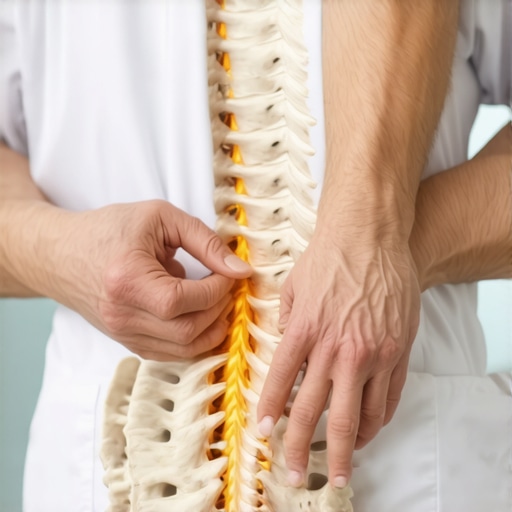
After establishing a routine, I scheduled a chiropractic session focused on pelvis adjustments. Techniques like myofascial release or gentle manipulation can restore optimal alignment, acting like tuning a musical instrument—bringing your entire posture into harmony. If you’re uncertain whether chiropractic care suits you, explore reputable resources such as chiropractic secrets to boost neck comfort. During the session, the chiropractor will assess your pelvis, hips, and spinal alignment, and perform adjustments to correct any tilts or rotations.
Focus on Dynamic Movement and Posture Re-education
Awareness during daily activities is crucial. I started practicing micro-movements—standing, shifting weight from one leg to another, and avoiding prolonged sitting. Think of your pelvis like a car’s chassis; it benefits from smooth, controlled movements rather than stiff, awkward ones. Incorporate exercises that promote natural movement, such as hip circles or gentle lunges, to keep your pelvis mobile. Adjusting your sitting posture, sitting with hips slightly higher than knees, supports pelvic health further. To deepen your understanding, visit restore your mobility.
Monitor Your Progress and Make Adjustments
Track how your neck feels daily. Any improvements in mobility or reduction in stiffness indicate your efforts are working. If you notice persistent imbalance or discomfort, revisit your exercises, enhance your chiropractic visits, or consult a specialist. Remember, like fine-tuning a musical instrument, achieving durable alignment demands patience and consistent adjustment. Over time, these steps reinforce your body’s natural ability to maintain proper posture, lessening the strain that causes neck pain.
When it comes to managing chronic pain and improving mobility, many of us have been fed misconceptions that might hinder progress. A prevalent myth is that pain always indicates injury and requires rest. In reality, sustained rest can sometimes cause muscle weakness and stiffness, exacerbating the problem. Active movement, guided by principles from experts like top chiropractors, actually promotes better healing and joint health (see what top chiropractors recommend). Another misconception is that chiropractic adjustments provide instant, permanent relief, but studies suggest that lasting benefits often depend on comprehensive care, including posture awareness and mobility exercises chiropractic insights.
A critical nuance many overlook is the significance of the fascia and tissue surrounding muscles, which can trap nerves and restrict movement. Mismanaged, this can lead to persistent pain despite correct spinal alignment. Techniques like myofascial release are vital in addressing these soft-tissue restrictions to restore proper motion (tackle fascia issues).
For the advanced reader, consider this: How do subtle pelvic imbalances influence neural pathways responsible for pain perception? Emerging research indicates that even minor misalignments can disturb neuromuscular feedback loops, prolonging discomfort. Recognizing these hidden links requires a nuanced understanding of the interconnected spinal and muscular system. An expert like Dr. Smith emphasizes that holistic approaches, addressing pelvis, fascia, and movement patterns simultaneously, produce superior results (see the connection).
Beware of the trap of overgeneralizing treatments. For example, stretching without assessing underlying imbalances can worsen the condition by reinforcing compensatory patterns. Instead, personalized assessments that identify root causes—like pelvic tilt or hip stiffness—are essential for effective intervention. Remember, what works for one person might be counterproductive for another.
By digging beneath surface assumptions and embracing the complexity of the human body, we can avoid these pitfalls and adopt strategies rooted in cutting-edge understanding. If you’re tired of trial-and-error, consult with a chiropractor experienced in complex pain management techniques. What misconceptions about mobility or pain relief have you encountered? Share your experiences—I love hearing your stories.When it comes to keeping your mobility optimal and preventing chronic pain, the right tools can make all the difference. Personally, I rely on a combination of targeted equipment and proven methods to sustain progress. A standout device in my routine is the **Tennis Ball Myofascial Release Technique**. I use it daily to release soft tissue restrictions around my pelvis and neck, which have been crucial in maintaining aligned posture and reducing tension. Just place the ball between your body and a hard surface like a wall or the floor, then gently roll over the affected area, focusing on tight spots. This approach helps address fascia restrictions that often trap nerves, facilitating smoother movement and less pain, as discussed in chiropractic techniques unveiling fascia release benefits.
For tracking and planning my mobility work, I prefer apps like **PainFree**, which I personally find effective for logging daily discomfort levels and exercises. It allows me to visualize my progress and adjust routines more intelligently. The future of mobility tools points toward AI-driven biofeedback devices that can tailor exercises in real-time based on your body’s response. Imagine smart wearables that analyze your gait, muscle activation, and posture, then recommend immediate adjustments for ongoing improvement.
How do I maintain consistent progress over time? Incorporating a **daily mobility and posture check ritual** is essential. I set aside just five minutes each morning—checking hip levels, performing pelvic tilts, and doing gentle stretches—to reinforce good habits. Additionally, receiving periodic chiropractic assessments ensures that subtle imbalances don’t develop into chronic issues. Regularly updating your toolkit, whether through new exercises or tech, keeps your body resilient and adaptable.
Don’t overlook the importance of quality tools. If you’re serious about long-term health, I highly recommend trying the **thera-band resistance exercises** to strengthen supportive muscles. They are simple, portable, and highly effective for maintaining spinal stability. For advanced tuning, explore innovative tools like **smart resistance bands** that track your effort and provide instant feedback, helping you optimize each session. The key is consistency and adapting your toolkit as your needs evolve. Remember, the best tools are those that fit seamlessly into your routine and empower you to take control of your mobility. For more detailed strategies, check out chiropractic secrets to boost neck comfort and function. Take action today by integrating one new tool into your routine and observe the positive ripple effects on your quality of life.
After discovering the profound influence of pelvic alignment on neck discomfort, I realized that this insight is just the tip of the iceberg. The human body is an intricate symphony where every part plays a vital role, often in ways we don’t immediately see. Embracing this interconnectedness has transformed my approach to health, teaching me that addressing foundational issues can unlock long-lasting relief and enhanced mobility. If you’re combating stubborn neck pain, consider that the solution might lie beneath the surface—literally at your body’s base.
Lessons That Changed My Perspective on Mobility
- Ignoring the foundation invites ongoing pain. Just as a shaky house can’t stand tall, an unaligned pelvis compromises your entire posture, leading to neck stiffness that won’t quit. Recognizing this shifted my focus from superficial fixes to solving the root cause.
- Healing requires holistic awareness. Traditional treatments often target symptoms. My breakthrough came when I started viewing the body as a unified system, engaging in exercises and adjustments that aligned not just my neck but my entire core.
- Patience and consistency build resilience. Quick fixes are tempting, but real change demands regular care—be it through mobility exercises, chiropractic sessions, or soft tissue work—culminating in sustainable relief.
Tools That Foster Lasting Change
- Chiropractic techniques for fascia and joint mobilization have been instrumental in my journey, addressing soft tissue restrictions that trap nerves and restrict movement.
- The proven strategies for back pain relief guide provides effective routines I incorporate daily, emphasizing the importance of consistent practice.
- Utilizing expert-approved neck management insights ensures I stay on track with safe, effective interventions tailored to my body’s needs.