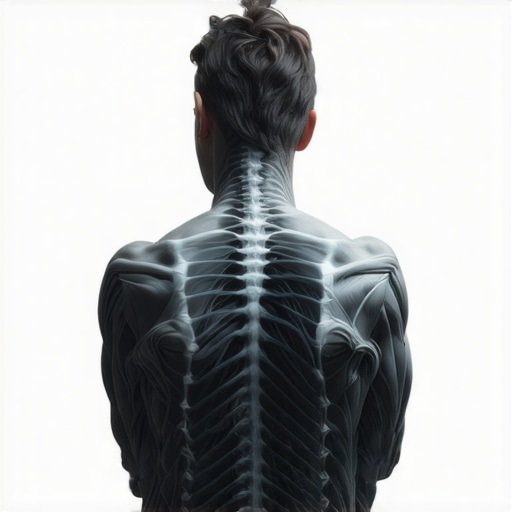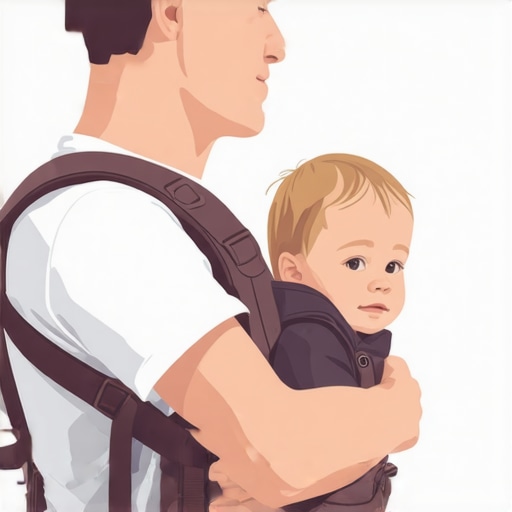
The proper way to carry a toddler to avoid hip and back strain
I’ll never forget the moment I realized I was doing more harm than good every time I carried my toddler. One afternoon, after a long play session at the park, I felt a sharp twinge in my lower back that lingered for days. That pain wasn’t just inconvenient — it was a wake-up call. As a parent, I was unintentionally setting myself up for chronic discomfort due to simple mistakes in how I carried my little one.
Feeling the Strain: When Carrying Becomes a Pain
Like many parents, I thought I was doing everything right. I scooped my kid up in a rush, twisted a bit to reach for something, and ignored my body’s subtle signals. Turns out, those small habits can lead to serious hip and back problems over time. The good news? I discovered techniques that transformed how I carry my toddler, saving my back and hips from needless strain. And today, I promise to share these insights so you won’t have to learn the hard way like I did.
Is Proper Carrying Really That Important?
Early on, I made the mistake of thinking that if I was careful, I wouldn’t hurt myself. But I overlooked a crucial detail: my posture and technique. Properly carrying your toddler isn’t just about safety; it’s about preservation. Incorrect methods can contribute to long-term issues, including persistent back pain and hip misalignment. Want to know how I turned things around? It all started with understanding the best way to distribute weight and engage my muscles correctly. For more on managing neck and back pain effectively, I recommend checking out this guide.
Without proper technique, even the most well-intentioned parents risk injury. I learned that the hard way, but you can avoid that. In the following sections, I’ll walk you through practical, easy-to-implement strategies to carry your toddler without risking hip and back strain. Ready to reclaim your mobility and protect your body while wrangling little ones? Let’s dive in.
.
Adjust Your Stance Before Picking Up
When I first tried lifting my toddler with my back straight, I felt like trying to lift a heavy suitcase with poor posture—ineffective and risky. To avoid that, step close to your child with feet shoulder-width apart, point toes slightly outward, and flex your knees. This stance acts like a sturdy foundation, distributing the weight evenly and reducing strain.
Engage Your Core for Stability
Imagine your core as the anchor of a ship; a strong core keeps everything steady. Before lifting, tighten your abdominal muscles as if preparing for a gentle punch. This contraction stabilizes your spine, preventing unwanted movement that could lead to injury. For a comprehensive core strength routine, consider exploring these core exercises.
Lift with Your Legs, Not Your Back
Think of your legs as the engine of a train—they do the heavy work. As you lift, bend at your hips and knees, keeping your back straight like a board. Push through your heels to stand up, straightening your legs first, then your hips. This sequence shifts the load from your back to your powerful leg muscles, protecting your lumbar spine. I remember one morning rushing to catch my kid, and applying this technique made a noticeable difference — my back thanked me.
Hold Your Child Close to Your Center of Gravity
Carrying your toddler away from your body is akin to balancing a weight far from your core—inefficient and stressful. Keep your child close, hugging them against your chest. This position reduces leverage on your spine, minimizing torque and strain. I once tried to carry my son with one arm extended, and by simply pulling him closer, I felt instant relief in my hips and lower back.
Rotate Rather Than Twist
If you need to turn while holding your toddler, do so by pivoting your feet instead of twisting your torso. Imagine your hips as the steering wheel of a car; turning the wheel instead of the entire body avoids torsional stress. On a particularly busy day, I found that rotating my feet to face the direction I wanted kept my hips and back healthy, preventing unnecessary strain.
Incorporate Breaks and Movement Variations
Even with perfect technique, staying in one position for too long can cause fatigue. Alternate your carries: switch sides, shift your stance, and take short breaks when possible. Think of your muscles like a battery; giving them rest and variation keeps them charged and resilient. I started doing quick hip circles after a set, which not only felt good but kept my movement fluid and pain-free.
Nurture Your Body Beyond Carrying
Complement proper lifting with mobility routines and chiropractic insights found at these proven strategies. Consistent care and targeted exercises fortify your muscles and joints, making carrying safer and less taxing. Remember, while technique is foundational, overall mobility and strength are your best defenses against injury.
 Many assume that increasing flexibility or stretching more frequently will automatically resolve persistent neck and back pain. However, this belief can be misleading. While mobility exercises are beneficial, most people overlook the nuanced aspects that distinguish effective strategies from ineffective ones. For example, stretching beyond your body’s limits or performing repetitive movements without proper form can exacerbate existing issues rather than alleviate them. In fact, the real key to improving mobility lies in understanding the complex interplay between muscular balance, joint health, and neurological control. Experts like Dr. Stu McGill emphasize that focusing solely on flexibility without addressing underlying instability often leads to chronic discomfort. This misconception is a common trap: believing that “more” is always better. But over-stretching can weaken connective tissue and destabilize joints, making injuries more likely. An advanced mistake many make is neglecting to consider the role of fascia and tissue tension that restrict movement subtly but significantly. Addressing these nuances requires a comprehensive approach, integrating targeted chiropractic care to restore proper fascial mobility and joint alignment. For deeper insights into optimizing your mobility safely, I recommend exploring these expert mobility strategies. Are you letting misconceptions hold back your progress? Remember, mastering mobility isn’t just about stretching; it’s about understanding your unique needs and avoiding common pitfalls. Do you think you’ve fallen into this trap? Let me know in the comments.
How Do I Keep My Mobility and Pain Relief Lasting?
Maintaining progress in mobility and pain management requires more than just one-off exercises or treatments. Using the right tools and strategies can make a significant difference in ensuring long-term results. Personally, I rely on a combination of ergonomic equipment, digital resources, and consistent chiropractic care to keep my body functioning optimally.
One essential tool I recommend is a quality foam roller. It helps release fascia tension and improve tissue flexibility, especially in the thoracic spine and hips. I use a medium-density foam roller daily, focusing on areas that tend to tighten after long days at the desk or heavy lifting. When choosing a foam roller, consider one with a textured surface for targeted myofascial release. For guidance on effective foam rolling techniques, check out these expert tips.
Additionally, incorporating mobility software like MobilityWOD has been transformative for me. It offers tailored routines that focus on areas prone to restriction, such as the neck, shoulders, and lower back. These digital programs keep my workouts fresh and targeted, preventing stagnation and encouraging consistent improvement.
When it comes to long-term relief, continuous chiropractic care has proven invaluable. Regular adjustments help maintain proper joint alignment and tissue mobility, which is crucial for preventing chronic pain. I personally schedule monthly visits and supplement them with targeted home exercises suggested by my chiropractor, such as the proven strategies for back mobility.
Looking ahead, I see the trend moving toward integrating wearable technology, such as posture monitors or biofeedback devices, to provide real-time feedback on movement patterns. These innovations will help users avoid poor habits that lead to long-term issues, reinforcing proper technique instantly.
What’s the Best Way to Sustain Your Gains Without Overdoing It?
Consistency is key, but so is listening to your body. Over-training or neglecting mobility work can undo your progress. I recommend setting aside 10-15 minutes daily for mobility routines and periodic check-ins with a professional. Additionally, practicing mindful movement, such as slow, controlled motions during daily activities, preserves your improvements over years. Remember, small daily habits tend to have a bigger impact than sporadic intense sessions.
If you’re serious about long-term resilience, I encourage you to try incorporating a targeted mobility routine with tools like foam rollers or digital programs into your daily schedule. For example, dedicating five minutes to foam rolling your hips and thoracic spine each morning can set a positive tone for the day and prevent stiffness. Want to learn more about maintaining neck and back health? Explore these strategies for sustained mobility.
Uncovering Hidden Pitfalls That Nearly Took Me Out
One of the most eye-opening moments in my journey was realizing that even small, seemingly harmless habits—like twisting while holding my child—could lead to long-lasting damage. It struck me that my instinct to rush and hold on too tightly often ignored my body’s subtle warnings until it was too late. Learning to recognize these quiet signals was a game-changer, revealing that proper technique isn’t just about safety—it’s about longevity.
Why Relying Only on Flexibility Can Backfire
Early on, I thought increased stretching and mobility exercises alone would solve my back issues. But I soon discovered that without addressing muscular imbalances and joint stability, these routines could inadvertently weaken tissues or reinforce bad habits. The real breakthrough came when I integrated targeted chiropractic approaches that focused on restoring natural fascial mobility and joint alignment, proving that expert guidance makes all the difference.
Implementing Daily Micro-Innovations for Lasting Relief
Small, consistent adjustments—like checking my stance before lifting or rotating my feet—stacked up to prevent injuries more effectively than any big weekly session. These micro-habits transformed my carrying routine into a sustainable practice that supported my body over years. The key was embedding mindful movements into everyday moments, turning them into natural, pain-free habits that respected my body’s limits.
Curated Insights That Changed How I Approach Mobility
- Deep Tissue Techniques: Using a high-quality foam roller has allowed me to release fascia tension and improve tissue flexibility, especially around my hips and upper back. It’s a simple tool that offers profound benefits when used correctly. I trust this method because it complements chiropractic care and aligns with my personal recovery routines.
- Digital Guidance for Targeted Mobility: Platforms like these expert-led programs provide tailored routines that keep my mobility diverse and engaging. Their focus on personalized movement patterns helps me identify and correct my specific limitations, making mobility a proactive rather than reactive process.
- Consistent Chiropractic Support: I schedule regular visits and follow through with at-home exercises recommended by my chiropractor. This combination ensures my joints stay aligned and my muscles remain balanced, creating a resilient foundation for carrying my toddler without injury. It’s a holistic approach rooted in trust and ongoing care.
Embrace the Future with Confidence and Care
The path to pain-free mobility isn’t a one-time fix; it’s an ongoing journey that adapts as your body changes. By integrating mindful techniques, expert resources, and regular support, you can safeguard your spine and hips while staying active with your little ones. Remember, every small effort accumulates into a big difference—your body will thank you for it. Ready to take the next step? Dive into specialized strategies and make mobility your lifelong companion. How have you adjusted your carrying habits to protect your back? Share your experience below and encourage others to join the movement.