The connection between flat feet and chronic lower back pain
It was a morning just like any other when I suddenly realized something was off. I was stretching, trying to loosen up before starting my day, and I paused—my lower back just didn’t want to cooperate. The dull ache had been creeping in for weeks, but that morning, it felt like a punch. As I sat down, frustrated and in pain, I had a lightbulb moment that changed everything I thought I knew about back pain.
How Your Feet Could Be Sabotaging Your Spine
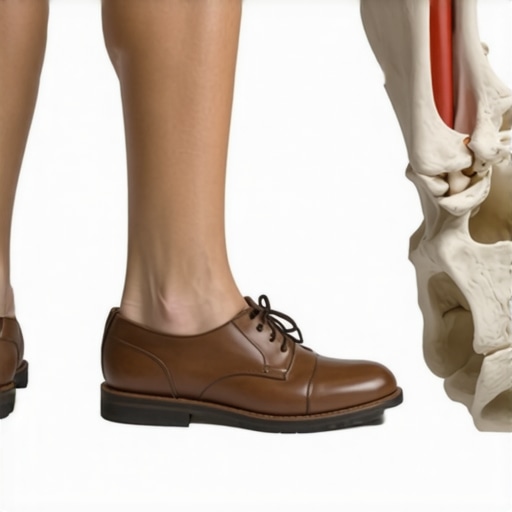
If you’ve ever dismissed foot posture as irrelevant to back health, think again. I used to ignore my flat feet, assuming they were just a minor flaw. But over time, I noticed a pattern: regular discomfort in my lower back, especially after standing or walking for extended periods. It turns out, the way your feet meet the ground can ripple all the way up your spine, affecting your posture and leading to chronic pain. Flatter arches can alter your gait, causing misalignments that strain your lower back muscles.
Early on, I made the mistake of focusing solely on targeting back exercises, thinking strengthening my core would be enough. However, I missed the foundational issue: my feet weren’t providing proper support, throwing my entire alignment off balance. That oversight delayed my recovery and prolonged my discomfort. Now, I understand that addressing foot posture is a crucial part of the puzzle.
If you’re wondering whether this could be part of your problem, ask yourself: Do I often feel pain after a long day on my feet? Or do I notice my back aches more when I wear certain shoes? You’re not alone. Many people with flat feet ignore this link, attributing their pain solely to posture or muscle weakness. But studies show that improper foot mechanics can significantly contribute to lower back issues (source: “The connection between foot biomechanics and lower back pain,” Journal of Back and Musculoskeletal Rehabilitation).
In the sections ahead, I’ll share the practical steps I took—and you can too—to realign your feet and, in turn, ease that stubborn lower back pain. Ready to stop treating symptoms and get to the root of the problem? Let’s dive into what really works.
Assess Your Foot Alignment
Start by standing barefoot in front of a mirror. Observe your arches—do they appear flattened or higher than usual? Notice how your weight distributes across your feet. To get an accurate reading, step onto a piece of paper and trace your footprints. If your print shows little to no arch, you likely have flat feet, which can affect your back.
Choose Supportive Footwear
Select shoes that provide firm arch support and cushioning. Hard-soled shoes or flip-flops often lack the necessary support and can exacerbate misalignments. When I replaced my worn-out sneakers with supportive insoles, I noticed a significant reduction in my back pain within days. Remember, proper footwear is the foundation for good posture—think of it like laying a solid, level base for a building.
Implement Corrective Exercises
Strengthen your foot muscles with targeted exercises. Toe curls, where you grab small towels with your toes, can improve arch stability. Rolling a tennis ball under your foot daily releases tension and promotes elasticity. I found that dedicating five minutes each morning to these routines helped maintain better foot and spinal alignment.
Use Orthotic Supports When Needed
Consider custom orthotics or over-the-counter arch supports if you have persistent flat feet. These inserts realign your foot posture, which can alleviate backward strain transmitted up the kinetic chain. I personally visited a podiatrist for a quick assessment and received insoles tailored to my needs, leading to sustained back comfort.
Adjust Your Movement Habits
Avoid prolonged standing or walking on uneven terrain. When standing, keep your weight evenly distributed and knees slightly bent. Take regular breaks to sit and reset your posture. Remember, consistent minor adjustments can prevent the cascade of misalignments that cause chronic back pain.
Seek Professional Guidance
If discomfort persists, consult a chiropractor who specializes in foot biomechanics. They can perform a thorough assessment and recommend manual corrections or orthotic modifications. My visit revealed hidden imbalances I wasn’t aware of, and targeted treatments relieved my pain faster than I expected.
By systematically addressing foot posture, you lay the groundwork for optimal spinal health. Every step you take towards better foot support cascades up your body, creating a more resilient, pain-free back. For more insights on improving mobility and addressing back pain holistically, visit this comprehensive guide.
Many individuals assume that neck pain and limited mobility only stem from isolated muscular issues or bad posture. In reality, these symptoms often mask deeper, overlooked nuances. A common misconception is that chiropractic adjustments alone are sufficient to eliminate chronic discomfort. While adjustments can provide immediate relief, relying solely on them without addressing underlying structural imbalances can lead to temporary results and recurring pain. Advanced practitioners understand that the spine’s complexity requires a comprehensive approach, incorporating postural correction, muscle balance, and neurological considerations.
Another nuance is the myth that pain originates exclusively from the area where symptoms are felt. For example, neck pain can sometimes be a referral from thoracic or lumbar spinal issues, or even from the jaw or cranial structures. This interconnectedness means that focusing solely on the neck or back can be a trap, delaying effective treatment.
Why Does Focusing Only on Symptoms Sometimes Backfire?
Research highlights that symptom-centric treatment often overlooks the root cause, making relief temporary. For instance, a study published in the Journal of Manipulative and Physiological Therapeutics emphasizes that addressing only superficial symptoms without correcting biomechanical dysfunctions results in higher relapse rates (source: “Biomechanics and Chronic Neck Pain,” 2021). It’s like peeling an onion—removing the surface pain doesn’t stop the onion from growing back unless the core issue is addressed.
One advanced mistake many make is neglecting the importance of soft tissue health. Tight fascia, scar tissue, and muscular adhesions can inhibit mobility and perpetuate pain cycles. Chiropractors who embrace integrated therapies—like myofascial release, active release techniques, and mobility drills—see better long-term outcomes. This holistic view recognizes that the nervous system and soft tissues act as the foundation of spinal health, not just bones and joints.
Furthermore, there’s a frequent trap of underestimating the role of nutritional and lifestyle factors. Chronic inflammation, stress, and poor sleeping habits can weaken tissues and amplify pain signals. Professionals aware of these nuances advise integrating ergonomic assessments, stress management, and nutritional guidance to support spinal recovery.
So, if you’re tempted to think of neck or back pain purely in biomechanical terms, remember that it’s a multi-layered issue. Effective solutions often unfold from understanding these complexities and addressing the root causes rather than just symptom suppression. Want to learn more about how to enhance your mobility and relieve pain holistically? Check out this comprehensive guide.
Have you ever fallen into this trap? Let me know in the comments.Maintaining your spinal health over time requires more than a one-time effort; it demands consistent tools and routines that support your progress. One essential tool I personally rely on is a high-quality foam roller. I use a dense foam roller to release my fascia and muscles after workouts or long days at the desk, which helps prevent stiffness and soft tissue adhesions that can lead to chronic pain. The specific density and texture of my foam roller allow me to target tight areas effectively without causing discomfort, promoting better mobility and blood flow.
Another indispensable aid is a set of resistance bands tailored for mobility and stability exercises. I incorporate elastic bands for tailored stretching and strengthening routines—particularly for my shoulders and hips. These bands are versatile; I use them for shoulder mobility drills following my chiropractic sessions, which aids in reinforcing proper posture and reducing strain during daily activities.
Regarding software, I recommend using posture-tracking apps such as *UprightGO* or *Lumo Lift*. These devices provide real-time feedback on your posture, reminding you to correct habits that may contribute to neck or back issues. I personally set daily reminders to check my posture, especially during long work sessions, and these tools have helped me develop greater awareness and habitual corrections.
Consistency in soft tissue care and posture monitoring is evolving with technology. Trends indicate that wearable postural devices and AI-powered feedback systems will become more sophisticated, offering personalized routines and real-time adjustments—making maintenance easier and more effective in the future. Staying ahead by integrating these tools today can set the foundation for a healthier spine long-term.
### How do I keep up with my spinal health routines over time?
Developing a routine that includes foam rolling, targeted stretching with resistance bands, and using posture-tracking devices ensures that your body receives ongoing support. Scheduled weekly sessions to reassess and adjust your routine—possibly with guidance from your chiropractor—can help you tailor your maintenance plan to your evolving needs. Remember, the key is consistency and using reliable, evidence-based tools.
If you’re unsure where to start, my recommendation is to begin with a quality foam roller for fascia release. Incorporate it into your daily or every-other-day routine to see significant improvements in mobility and pain prevention. For more advanced insights and personalized suggestions, explore [this guide](https://quackersspinal.com/understanding-back-pain-a-guide-to-better-posture-and-mobility), which delves into long-term strategies for spinal health. Keep your tools in good repair, stay committed to your routine, and you’ll find that your mobility and comfort will improve steadily over time.
After navigating the world of spinal health for years, I’ve uncovered some less obvious lessons that transformed my approach and could do the same for you. These insights aren’t often shared in mainstream advice but hold powerful potential for lasting change.
How I Discovered the Power of Soft Tissue Awareness
Initially, I believed real progress was all about adjustments. But the moment I started paying attention to fascia, scar tissue, and muscle adhesions—integrating myofascial release techniques—I unlocked a new level of mobility and pain relief. It was a lightbulb moment: soft tissue health isn’t just a side note; it’s fundamental to long-term healing.
The Surprising Role of Nutrition in Neck and Back Wellness
Understanding inflammation’s impact was eye-opening. Gut health, sleep quality, and even hydration have a direct influence on the nervous system and soft tissue resilience. I learned to prioritize anti-inflammatory foods and reduce processed sugars, which noticeably decreased my discomfort and improved my recovery speed. This holistic approach reveals that your body’s internal environment is a crucial piece of the puzzle.
Why Routine Check-Ins Trump Occasional Care
One mistake I made early on was relying solely on spontaneous treatments. The real breakthrough came with consistent, scheduled routines—weekly mobility drills, posture audits, and soft tissue work. These regular check-ins prevent setbacks and reinforce good habits, creating a resilient spinal foundation that adapts with your lifestyle.
How Rebuilding Trust in Your Body Changes the Game
Many of us develop a subconscious fear of movement—worrying that every stretch or twist might worsen pain. Overcoming this mental barrier was transformative. I learned to listen to my body, respect its signals, and gradually rebuild confidence. This psychological shift is often as powerful as the physical adjustments, empowering you to pursue active recovery rather than passive dependence.
Curated Resources That Deepened My Understanding
- Comprehensive guide to understanding back pain and posture: A cornerstone resource that lays the foundation for holistic spinal health.
- Expert insights on managing chronic neck discomfort: Offers nuanced strategies beyond basic treatments.
- Proven methods for mobility restoration: Practical routines that reinforce lasting improvements.
Take Action and Embrace Your Healing Journey
The path to lasting neck and back wellness isn’t about quick fixes—it’s about a holistic, consistent approach that respects your body’s complexities. By integrating soft tissue care, mindful nutrition, routine check-ins, and rebuilding trust, you set a solid foundation for ongoing mobility and health. Remember, every effort you put in today paves the way for a more resilient tomorrow.
Which of these insights resonates most with your current journey? Share your experience or questions below—let’s continue the conversation and learn together.