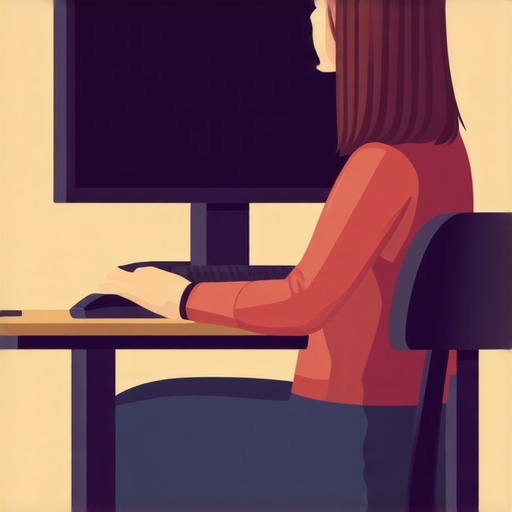
The Correct Way to Use a Standing Desk Without Hip Strain
I remember the first time I decided to switch to a standing desk. Excited at the prospect of reducing my back pain and boosting my energy, I set it up perfectly, or so I thought. Within minutes, I was wincing, shifting uncomfortably, and feeling this nagging ache in my hips that I just couldn’t shake. It was a lightbulb moment—standing didn’t automatically mean pain relief. In fact, if not done correctly, it could make things worse.
Why Standing Desks Can Backfire Without Proper Ergonomics
If you’re like I was, you might think simply standing more will help alleviate your back or hip pain. But the truth is, without a proper setup, a standing desk can become a pain point itself, leading to discomfort in your hips, knees, and lower back. The key is understanding how to set up and use your standing workspace correctly so you can enjoy the benefits without suffering the downsides. I’ll share what I’ve learned from personal experience and expert tips—so you won’t have to go through the same trial and error.
Is It Really Worth the Hype? My Biggest Skepticism
Early on, I made the mistake of assuming that standing position alone would fix my discomfort. I didn’t pay attention to my posture, foot positioning, or desk height. That mistake is common and can lead to more harm than good. According to recent studies, over 80% of people using standing desks do so incorrectly, which can cause more pain than sitting (source: Expert insights on neck pain relief). So, I want to make sure you’re not falling into the same trap. Proper setup and technique are essential.
If you’ve experienced the frustration of standing with sore hips or feeling worse after switching to a standing desk, know you’re not alone. But the good news is, with just a few adjustments and some mindful habits, you can stand comfortably and prevent hip strain. Let’s dive into how to do that—starting with the basics of ergonomics, so your workspace supports your health rather than sabotages it.
Adjust Your Desk Height Correctly
Start by setting your desk so that your elbows are at a 90-degree angle when your hands rest on the keyboard. I remember the first time I tried this—initially, I thought I had it right, but my wrists still ached. After rechecking and lowering my desk slightly, everything aligned perfectly, reducing strain. Think of your desk as a platform for your arms—if it’s too high or low, your shoulders and neck bear unnecessary stress. Use a level or a measuring tape to ensure consistency.
Position Your Monitor Smartly
Eye-Level Is Key
Place your monitor directly in front of you, about an arm’s length away, with the top of the screen at eye level. This prevents neck tilting, akin to a pilot keeping the aircraft level for smoother flight. I once placed my monitor too low, leading to constant neck tension; raising it resolved the issue instantly. If space is limited, consider risers or adjustable arms. Proper monitor placement is crucial in avoiding the “scrunching” of your neck muscles.
Minimize Glare and Reflections
Position your monitor to avoid glare from windows or lights, which can cause you to squint and adopt awkward postures. I used to ignore this and ended up leaning forward, causing back pain. Use curtains or reposition your desk to optimize lighting, reducing eye strain and maintaining natural head and neck alignment. Remember, comfort is a signal your anatomy is in harmony, so fine-tune until you get it right.
Stand with Support and Alignment
Distribute weight evenly across both feet, keeping your knees slightly bent—think of it as a stable tripod supporting your body. My early experiments involved shifting weight from one foot to another, which led to hip discomfort. Using a footrest can help keep your hips at a neutral angle, reducing strain. Also, avoid locking your knees; it’s like a car with a stiff suspension—uncomfortable and inefficient. Regularly shift your weight or adjust foot position to prevent fatigue.
Incorporate Movement Throughout the Day
Stand up, stretch, and walk around every 30 minutes. I once ignored this advice during a marathon work session and ended up with sore hips and stiff shoulders. Think of your body as a motor—if you keep it idle, it rusts; movement lubrication keeps everything running smoothly. Simple stretches, like calf raises or hip circles, can restore mobility and reduce persistent pain. Remember, static positions are the enemy of flexible, healthy joints.
Use Ergonomic Accessories Thoughtfully
Invest in a supportive anti-fatigue mat, and consider a monitor arm or adjustable keyboard tray. When I added a cushioned mat for my standing periods, I felt less fatigue in my feet and hips. Accessories are like the shock absorbers in a car—they absorb the impacts of daily use, protecting your joints from overload. Don’t skimp—choose supportive, adjustable tools that fit your body and workspace.
Listen to Your Body’s Signals
Pay attention to discomfort or fatigue. If certain postures cause pain, adjust immediately. I learned this the hard way by ignoring persistent hip aches, which turned out to be signs of misalignment. Your body whispers before it screams; addressing issues early prevents chronic problems. Keep a habit of checking in with your body, and don’t hesitate to seek professional advice if necessary. Proper ergonomic setup is an ongoing process—small adjustments lead to big relief over time.
Many believe that chiropractic care is just about getting occasional adjustments to relieve pain, but this oversimplifies a complex system and can lead to misinterpretations about its true benefits. One common myth is that once your pain subsides, your spine is entirely healed, but experts agree that ongoing maintenance and understanding your unique biomechanics are essential for lasting health. Relying solely on quick fixes without addressing the underlying causes often results in recurrent discomfort and even injury. To truly harness chiropractic’s potential, patients need a nuanced view of how spinal health interacts with mobility, posture, and lifestyle habits, rather than just viewing adjustments as a one-time cure.
Are Chiropractors Only for Cracks and Clicks?
This misconception often deters people from seeking comprehensive care. Chiropractic adjustments are just one tool in a broader toolkit that includes soft tissue work, mobility exercises, and postural education. Myths suggesting that adjustments can cause harm or are unnecessary are dangerous; emerging research highlights the importance of individualized treatment plans tailored to each person’s biomechanics. In fact, studies show that proper chiropractic intervention can significantly improve adult mobility and prevent degenerative changes if correctly applied, as detailed in this resource on enhancing movement. Don’t fall for the idea that chiropractors are only for quick relief—think of them as partners in your long-term spinal health.
One trap to watch out for is the belief that stretching and strengthening alone can replace professional chiropractic care. While exercises are vital, they often fail to address subtle joint restrictions or misalignments that impede movement and cause pain. Missing these nuances can lead to the so-called “advanced mistakes”—like overdoing repetitions or neglecting certain muscle groups—thus exacerbating issues rather than resolving them. Experts warn that self-diagnosis and self-treatment may ignore critical spinal shifts that only trained professionals can identify and correct. For an in-depth understanding of how chiropractic care can complement your mobility regimen, check out this article on effective chiropractic strategies.
The Hidden Complexity in Neck and Back Pain Causes
Many overlook the intricate links between spinal health, neurological function, and musculoskeletal support. For example, restricted movement in the upper cervical spine can reverberate through your nervous system, affecting posture, balance, and even headaches. Recognizing these complex interactions is crucial; adjusting for one issue without understanding its root can lead to recurring problems. Research indicates that targeted chiropractic interventions that consider the neuro-musculoskeletal network can produce remarkable improvements in chronic pain and mobility, as discussed in this detailed exploration. Have you ever fallen into this trap? Let me know in the comments.Maintaining your spinal health over time requires more than just good habits; having the right tools can make a significant difference in the effectiveness and sustainability of your routine. One of my personal favorites is a high-quality foam roller. I use it daily to target my thoracic and lumbar regions, helping to release muscle tension and improve flexibility. Opt for a dense, moderate-sized foam roller—these provide enough firmness to stimulate myofascial release without risking injury. I also incorporate a tennis ball to perform targeted trigger point therapy on stubborn knots in my upper back and shoulders, which are common sources of neck pain. Using the tennis ball against a wall allows me to precisely apply pressure to tender areas, facilitating quicker relief and restoring mobility. For digital tools, I rely on posture-tracking apps like Upright, which provide real-time feedback on my neck and back positioning. These apps use gyroscopes and accelerometers to alert me when I slouch or lean improperly, helping me develop awareness and correct my posture proactively. Incorporating ergonomic accessories such as an adjustable standing desk or footrest ensures my workspace supports my body in optimal alignment throughout the day. Additionally, I make use of detailed guided programs available on platforms like YouTube, where experts share mobility drills and stretching routines tailored for back and neck health. Looking ahead, the trend in chiropractic care and mobility training is leaning toward personalized, technology-integrated solutions that can adapt dynamically to individual needs, making maintenance more precise and accessible. To keep these tools working effectively, I recommend scheduling a quick consultation with a professional to ensure your setup and techniques are tailored to your unique biomechanics. Remember, consistency is key—integrate these tools into your routine and monitor your progress regularly. For more insights into optimizing your back health with simple strategies, visit https://quackersspinal.com/boost-your-back-health-simple-yet-effective-chiropractic-hacks. Ready to enhance your mobility? Try incorporating a tennis ball trigger point massage into your daily routine—it’s a game-changer for persistent knots and stiffness.After years of trial and error, I realized that the most profound lessons about chiropractic care and spinal health often come from personal experiences and honest reflection. Here are some insights I wish I had known from the beginning:
- Quick fixes rarely last: I used to believe temporary relief was enough, but true mobility and comfort require addressing underlying issues. Professional advice and consistent care, like what you can explore here, make a lasting difference.
- Own your journey: No two spines are identical. Personal experimentation helped me understand what setups, stretches, and routines work best—learning from your body’s signals is invaluable.
- Myth-busting is essential: Many misconceptions, such as the idea that chiropractors only provide quick adjustments, hinder progress. Discovering the broader scope of chiropractic’s benefits, as detailed here, expanded my understanding and trust.
- Consistency beats intensity: Small daily habits—like regular stretching or mindful posture—build resilience over time far more than sporadic treatments.
Equipped with these lessons, I found a more empowering, sustainable approach to spinal health. Incorporating tailored tools and knowledge not only alleviates pain but also restores a sense of control and vitality. Remember, your body’s signals are your best guides—listen, adapt, and keep learning. For personalized guidance, don’t hesitate to reach out through this contact form. Your path to better mobility begins with awareness and action.