The hip hinge trick for pain-free gardening
I remember one Saturday morning three years ago. I was finally getting my tomato plants in the ground, the sun was out, and I was hunched over like a weary question mark. When I finally tried to stand up to grab my watering can, my lower back felt like it had been fused together with rusted iron. I had to crawl—literally crawl—back to the patio chair. It was humiliating and, frankly, terrifying. For months after that, I avoided the yard because I was convinced my gardening days were over. But then I realized I wasn’t failing; I was just moving wrong.
Stop Bending Like a Candy Cane
Most of us garden by rounding our spines. We reach for weeds by curving our mid-back and neck, putting an incredible amount of torque on those tiny lumbar discs. I spent years making this exact mistake, thinking I just needed a stronger back. In reality, the back isn’t meant to be the primary crane for lifting heavy pots or tugging at stubborn roots. When you learn how to garden without throwing out your back, you realize the secret isn’t in the spine at all—it is in the hips.
Is this hip hinge thing actually worth the hype?
You might be thinking this sounds like some complicated gym maneuver meant for powerlifters. I thought so too. I figured I didn’t need functional movement to plant some petunias. But the truth is, the hip hinge is the most natural way the human body moves. According to Harvard Health Publishing, keeping the back straight and bending at the hips and knees reduces the mechanical load on the spine by a staggering amount. Once I mastered the hinge move that protects your spine while gardening, the after-gardening ache simply vanished. It wasn’t an overnight fix. My first few attempts felt clunky. I kept wanting to revert to that lazy slump because it felt easier in the moment. However, understanding back pain and better posture helped me see that the easy way was actually the most expensive way for my health. Have you ever felt that sharp, hot lightning bolt in your lower back while weeding? I would love to hear your story in the comments.
Turn Your Hips Into a High-Performance Crane
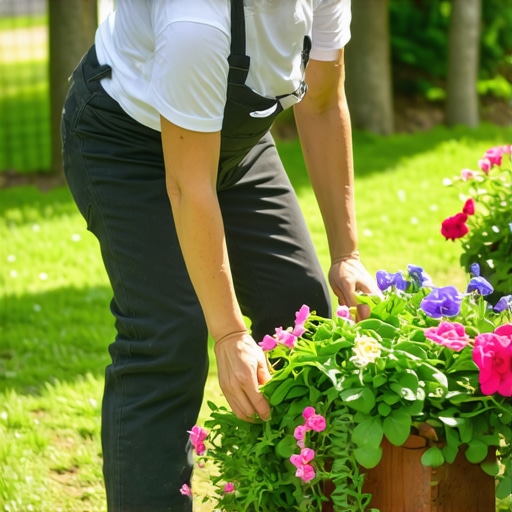
To master the hip hinge, imagine you are holding two heavy grocery bags and you need to close your car door with your backside. You don’t bend your knees to sit down; you drive your hips straight back. When I first tried this in my garden while transplanting a massive hydrangea, I felt ridiculous. I stood there, tailbone reaching for the fence behind me, feeling a stretch in my hamstrings I hadn’t felt in years. But then I noticed something: my lower back wasn’t doing any of the work. For the first time, my glutes and legs were taking the brunt of the weight. This is why the dead bug exercise is such a game-changer; it teaches you how to keep your spine neutral while your limbs move, which is exactly what we need when reaching for a rogue dandelion.
Keep Your Chest Proud and Your Core Engaged
A common mistake is letting the shoulders collapse. Think of your spine as a steel rod that shouldn’t bend. When you reach down, keep your chest proud. If you find yourself staring at your toes, you’re likely rounding your neck. This often leads to that familiar burning sensation between the shoulder blades. To prevent this, you need to learn how to breathe through your diaphragm to reduce lower back pressure. By creating internal pressure in your abdomen, you’re basically giving your spine its own built-in airbag. Last summer, I was clearing out a thicket of overgrown vines. I felt that old, familiar tightness creeping in. I stopped, took three deep diaphragmatic breaths to reset my core, and the tension dissipated before it could turn into a spasm.
Why Squatting Isn’t Always the Answer
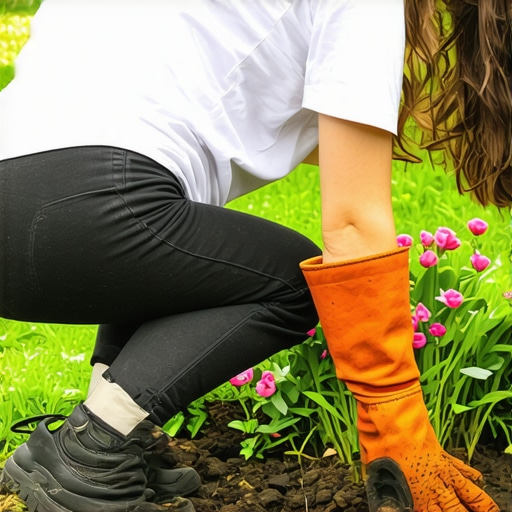
People often tell you to lift with your knees, but if you’re squatting every time you pull a weed, your knees will eventually protest. Squatting is great for picking up a heavy bag of mulch from the ground, but the hinge is better for the repetitive reaching required in a flower bed. If your hips are too tight to hinge properly, you might find that chiropractic care enhances movement by unlocking the pelvis and lower back. I realized my own stuck feeling was often because my pelvis was tilted from years of bad sitting habits. Once I combined better movement with professional alignment, my range of motion exploded. If you’ve been doing core work but still feel fragile, it’s possible your core routine is failing your spine because it focuses on crunches rather than stabilization. True stability means your back stays still while your hips do the dancing.
The Finger-to-Hip Trick for Instant Alignment
If you’re struggling to feel the movement, try this: place your index fingers right in the crease where your thighs meet your torso. As you bend forward to garden, try to pinch your fingers with that hip crease. If you feel your spine rounding before you feel that pinch, you’ve gone too far. This simple tactile cue saved me during a four-hour marathon of bulb planting. It keeps the movement localized to the joint designed for it. When you revitalize your mobility through these small, intentional shifts, the garden stops being a place of potential injury and starts being the sanctuary it is supposed to be.
Stop Yanking on Your Tight Hamstrings
Common wisdom suggests that if your back feels stiff, you should reach for your toes. I used to believe this religiously, spending twenty minutes every morning pulling and straining. But here is the contrarian truth: your tightness is rarely the primary problem; it is often a clever solution your brain has chosen to protect an unstable joint. When you constantly pull on these ‘protective’ muscles, you are essentially trying to tear down a safety fence. This is exactly why stretching a tight muscle isn’t always the answer. In fact, research published in the Journal of Strength and Conditioning Research found that prolonged static stretching can temporarily reduce muscle strength and joint stability. By over-stretching before you head out to work in the yard, you might actually be making your spine more vulnerable to a flare-up.
Why does my back still ache even if I can touch my toes?
Many of my most flexible friends suffer from the worst chronic pain because they have plenty of range but zero control over it. If your hips move but your core doesn’t stabilize, your spine ends up like a mast on a ship with loose rigging. This is a classic ‘oops’ factor: assuming that being ‘limber’ equals being healthy. Often, people find that why static stretching might be prolonging your back pain is rooted in this lack of functional stability. Have you ever fallen into this trap of stretching more only to feel worse? Let me know in the comments.
The Stretching Trap That Keeps You Sidelined
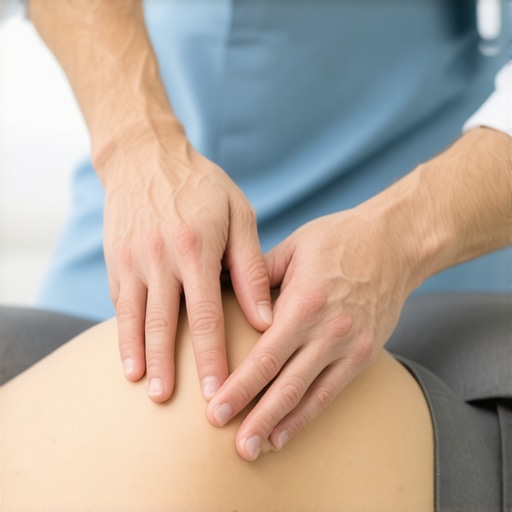
There is a specific danger in trying to ‘stretch out’ a sharp pain. If you feel a zing down your leg or a sharp catch in your neck, stretching can actually aggravate a bulging disc or an inflamed nerve. For example, why stretching your neck to the side might be causing more spasms is often because the body is trying to guard a sensitive nerve root. Instead of pulling, you need to address the underlying alignment. Experts at the Journal of Orthopaedic & Sports Physical Therapy emphasize ‘regional interdependence,’ meaning your neck pain might actually stem from a stiff mid-back or pelvis. This is where you should restore your back mobility proven chiropractic strategies to reset the system. They focus on restoring the joint’s proper glide so the muscles can finally relax on their own. Once you stop fighting your body’s protective mechanisms, you can regain full mobility after injury and get back to the garden without fear.
Stop Fighting Your Tools and Start Using Leverage
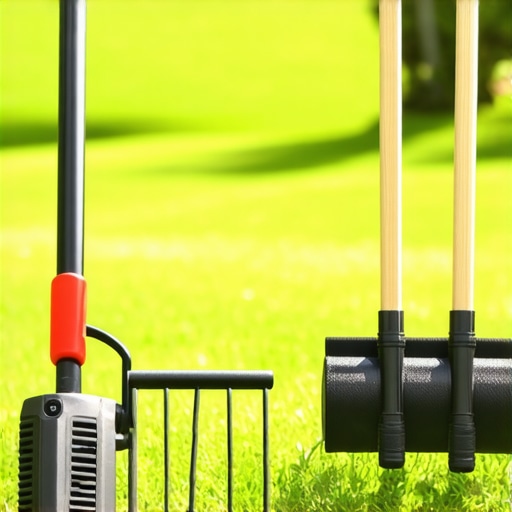
I used to believe that gardening required suffering—a sort of penance paid in lower back spasms for the sake of beautiful roses. But then I discovered that the right gear isn’t a luxury; it’s a medical necessity. I’ve swapped my old hand trowel for a long-handled stand-up weeder with a four-claw design and a foot pedal. This tool allows me to maintain a neutral spine while applying massive force to a taproot without once bending my back. I also invested in a dual-purpose kneeler that has sturdy side-support handles. These aren’t just for convenience; they are for anyone who wants to use mechanical leverage rather than their lumbar discs to stand back up. According to ergonomic guidelines from the National Institute for Occupational Safety and Health (NIOSH), tools with handle diameters between 1.25 and 2 inches are optimal for reducing hand fatigue, which directly prevents the clutching reflex that causes secondary neck tension through the kinetic chain.
How do I maintain my spinal mobility for the long haul?
Maintenance isn’t a weekend project; it is a daily commitment to oiling the hinges. I start every single day with a daily joint lubrication routine. Think of this like warming up your car in the dead of winter. If you just jump into the garden and start pulling at weeds, the fluid in your joints is still viscous and cold, making your discs more prone to micro-tears. By incorporating exercises to keep your spine young, you’re essentially reinforcing the structural integrity of your body. These expert tips for prevention are the difference between a season of growth and a season of forced bedrest. I’ve also found that simple chiropractic hacks, like checking your pelvic alignment before a heavy lifting session, can prevent the minor imbalances that eventually lead to major injuries.
The Future of Back Health is Wearable
We are entering an era where we won’t have to guess if we’re slouching or rounding our spines while we work in the soil. I predict that within the next few years, bio-sensing wearables will be as common as gardening gloves. Imagine a shirt that gives a tiny haptic nudge or vibration the moment your posture deviates from that perfect hip hinge we discussed earlier. Until then, we have to rely on internal awareness and regular professional maintenance to stay mobile. I’ve seen firsthand how chiropractic care enhances movement by clearing out the mechanical static in the nervous system, allowing your body to communicate more effectively with your brain. This is how you boost mobility and ease pain long-term. Don’t wait for that familiar lightning bolt to strike your back again. Start the daily 3-minute lubrication routine tomorrow morning—your future self in the garden will thank you.
What My Spine Finally Told Me After Years of Silence
I spent a decade thinking my body was the problem, but it was actually my habits. Here is the insider wisdom I gathered while recovering from my own injuries.
- Pain is a signal, not a failure. Knowing the difference between muscle soreness and spinal pain saved me from pushing through a serious disc issue that would have required surgery.
- Stretching isn’t a cure-all. I realized why stretching a tight muscle isn’t always the answer when I discovered that my ‘tight’ hamstrings were actually a protective response to an unstable pelvis.
- Consistency is the secret sauce. Five minutes of mobility work every morning is infinitely better for your discs than a two-hour gym session once a month.
My Go-To Resources for a Resilient Spine
If you want to move beyond the basics, these are the tools and methods I personally trust to keep me in the flower beds without a flare-up.
- Functional Movement: I swear by the dead bug exercise for building the kind of deep abdominal pressure that acts like a natural back brace while you reach for distant weeds.
- Ergonomic Leverage: I highly recommend the Radius Garden ergonomic tool line; the curved handles naturally prevent your wrist and elbow from locking up, which reduces secondary neck tension.
- Professional Alignment: Regular maintenance is essential for gardeners. You can restore your range through chiropractic care which helps unblock the mechanical static that leads to morning stiffness.
Reclaiming Your Sanctuary One Seed at a Time
The garden should be a place where you grow, not where you suffer. By making these small shifts in how you move and how you protect your body, you can revitalize your mobility and enjoy the outdoors for decades to come. Don’t let the fear of a ‘bad back’ keep you on the porch. Start small, hinge at the hips, and let your legs do the heavy lifting so you can enjoy the fruits of your labor without the cost of chronic pain. What’s the one tool or trick that changed how your back feels after a day in the garden? I’d love to hear your favorites in the comments below.