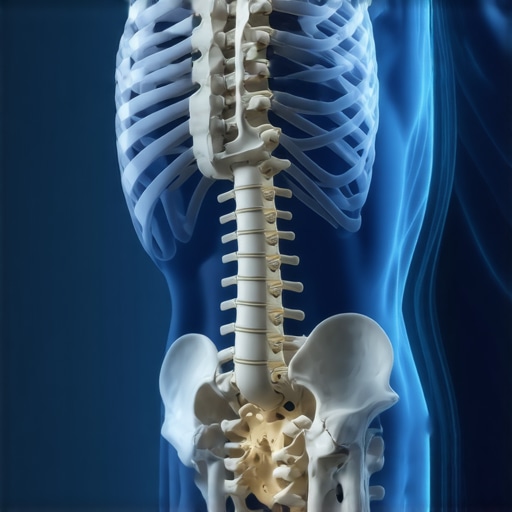
How to Pick Up a Heavy Box Without Making Your Disc Bulge Worse
I remember the moment vividly. I was rushing to move a heavy box in my garage, thinking I could almost feel my lower back protesting even before I lifted. Sure enough, I felt a sharp twinge, and for days, I was hobbling around, regretting my impatience. That lightbulb moment made me realize—lifting heavy objects isn’t just about brute strength; it’s about knowing how to protect your spine, especially if you’ve had disc problems before.
Today, I want to share proven strategies to help you pick up heavy boxes safely without risking a disc bulge or aggravating existing back issues. These tips are born from personal experience and a deep understanding of spinal mechanics. If you’ve ever experienced that immediate fear after lifting something heavy, you’re not alone. And the good news is, with proper technique, you can avoid that pain and keep your mobility intact.
Protect Your Spine: The Key to Safe Lifting
Many people make the mistake of bending their backs or twisting awkwardly when lifting heavy objects. I used to do this all the time—thinking I was being efficient, but in reality, I was setting myself up for injury. The truth is, your back tissues, especially your discs, are vulnerable during improper lifting. A small mistake can lead to disc protrusions or worse.
One of the most common errors I made early on was not engaging my core adequately. I believed I could rely solely on my arms and legs, but without core support, my spine bore the brunt of the load. Studies have shown that maintaining a neutral spine and engaging your core significantly reduces the risk of injury during lifting activities. For more guidance on how to improve your back and neck health through expert techniques, check out [this comprehensive resource](https://quackersspinal.com/mastering-back-neck-pain-relief-tips-from-the-pros-300).
Have you ever tried to lift something heavy without knowing the proper technique and regretted it later? If so, know that there are effective ways to lift smarter—methods that safeguard your spinal discs and promote long-term mobility. In the following sections, we’ll explore simple yet powerful strategies to help you lift like a pro and prevent that dreaded disc bulge.
Engage Your Core Before Lifting
As I did last month when moving a bulky bookshelf, I learned the importance of activating my abdominal muscles. To do this correctly, stand with feet shoulder-width apart, brace your abs as if preparing for a punch, and hold this engagement throughout the lift. This act creates a natural corset around your spine, providing stability. During my attempt, I kept my back straight and felt less strain, which prevented the familiar burning sensation in my lower back. Remember, a strong core is your body’s natural shock absorber and a crucial line of defense against disc bulges.
Maintain Neutral Spine Alignment
Imagine your spine as a flexible but sturdy straw; it’s curved naturally, not bent or twisted unnaturally. When I attempted to lift without thinking, I crumpled the straw into an unnatural bend, which immediately caused discomfort. To avoid this, lock your gaze slightly downward, keep your neck aligned with your back, and avoid tilting or twisting during the lift. Use visual cues like a straight line from your head to your hips. Practicing this alignment during lighter activities helps build the habit for heavier loads, ensuring your discs aren’t subjected to unnecessary pressure. For more on spinal mechanics, check out this expert resource.
Position Your Feet and Grip Correctly
Think of your feet as the foundation of a building; a stable base prevents wobbling and uneven stress. When I moved my last heavy box, I ensured my feet were firmly planted, pointing straight ahead or slightly outward, and I avoided staggered stances that could throw off balance. Bend at your hips and knees—not your waist—to squat down and grip the object firmly with both hands. This reduces strain on your arms and distributes the load evenly across your legs. Remember, a good grip and stance are as vital as your technique for protecting your discs from sudden shear forces.
Lift with Your Legs, Not Your Back
This is where many fall short—trying to heave with your back muscles. Instead, engage your leg muscles (quadriceps and hamstrings) to generate power, just like lifting a heavy bag by pushing through your legs. During my last move, I initiated the lift by straightening my legs slowly while keeping my back straight, avoiding any jerking motions. This method prevents sudden disc compression. Practice this movement with lighter objects to master the technique before tackling heavier loads. To refine your lifting skills, consulting chiropractic tips can be invaluable.
Keep the Load Close and Centered
Imagine trying to carry a bowl of water—keep it close to prevent spillage. Similarly, holding the box close to your body reduces leverage and strain on your spine. When I lifted a large, awkwardly shaped item, I made sure it was snug against my abdomen. Always aim to keep the load aligned with your center of gravity; leaning forward or to the side increases disc pressure and risk for injury. If the object is too heavy or bulky, use lifting aids or ask for help. Proper load management is a simple yet effective strategy to prevent disc bulges.
Set Down with Care, Avoiding Twists
Placing items down requires the same care as picking them up. I once attempted to swivel my torso to set down a box—my back immediately protested. Instead, I maintain a neutral spine, hinge at the hips, and use my legs to lower the load smoothly. Turn your feet in the direction of movement to avoid twisting your spine; twisting loads the discs unevenly and can cause damage. Remember, controlled movements and avoiding sudden motions are key to long-term spinal health.
Regularly Practice Safety and Flexibility Drills
Even when not lifting, maintaining flexibility and strength around your hips, core, and back enhances stability. Incorporate routines like hip flexor stretches or bird-dog exercises to prepare your body for lifting tasks. I include these drills in my weekly routine, noticing fewer aches and more resilience. Consistent practice fortifies your primary stabilizers and reduces the risk of disc injury. For targeted exercises, refer to expert methods for back and neck relief.
Many assume that back and neck pain are straightforward issues caused merely by poor posture or muscle strain. However, as I’ve studied spinal health extensively, I’ve found that most people overlook critical subtleties that determine treatment success. One common myth is that all pain stems from muscular tightness or misalignment easily corrected. In reality, underlying neurological or fascia-related factors often play a significant role, and ignoring these can lead to persistent or recurring issues. For example, nerve impingements or restricted fascial layers can perpetuate pain despite proper adjustments or exercises. Recognizing this nuance can save you from endless trial-and-error with treatments that only address surface symptoms.
A frequent trap is the belief that continuous adjustments alone will maintain long-term stability. While chiropractic care can be a powerful tool, over-reliance without addressing underlying movement patterns or toxicity buildup often results in short-lived relief. The real mastery lies in integrating adjustments with mobility, strength, and toxin-release techniques. To deepen your understanding, consider exploring [these expert strategies](https://quackersspinal.com/mastering-back-neck-pain-relief-tips-from-the-pros-300) which focus on comprehensive spinal health.
Another misconception is the idea that pain is always proportional to injury severity. Mild symptoms can sometimes indicate more significant issues, especially involving nerves or fascia, whereas severe pain might be rooted in relatively minor structural anomalies. Recognizing this disconnect emphasizes the importance of thorough assessments. For advanced practitioners, understanding neurofascial interactions—how the nervous system communicates through fascial networks—can be a game-changer. A study published in the *Journal of Bodywork and Movement Therapies* highlights how fascial restrictions can mimic nerve pinches or disc injuries, leading to misdiagnosis if not carefully evaluated.
**What advanced strategies help differentiate between muscular, fascial, and neurological pain?** Asking this question might seem technical, but it’s vital for sophisticated treatment plans. Techniques like myofascial release, nerve gliding, and functional movement assessments target these deep layers, uncovering hidden contributors to pain. Incorporating these approaches with chiropractic care yields more robust, lasting results. For personalized advice or to discuss your stubborn pain, feel free to [reach out here](https://quackersspinal.com/contact-us).
In summary, the key lies in understanding the layered complexity of back and neck pain rather than just its surface manifestations. Recognize that pain often involves intertwined systems—muscles, fascia, and nerves—and addressing them collectively offers the best chance for lasting relief. Have you ever fallen into this trap? Let me know in the comments.Maintaining spinal health over the long term requires the right combination of tools, techniques, and consistency. One of my personal staples is a high-quality foam roller, which I use daily to release fascial tightness and improve mobility. The key is selecting a dense enough roller that effectively targets deep tissue without causing discomfort—my favorite is the RumbleRoller, as it provides the right balance for my needs. Regular self-myofascial release sessions help prevent adhesions and keep muscles around my spine supple, reducing the risk of flare-ups.
Another tool I swear by is a cervical traction device. It gently decompresses the neck, alleviating nerve compression and tension buildup. I use a portable, adjustable tension neck pillow during work breaks, especially after prolonged screen time. This simple device has helped me avoid headaches and neck stiffness, common issues for many desk workers.
For digital management, I recommend using posture correction software like “Upright GO” or “ErgoHero,” which actively remind me to adjust my sitting position throughout the day. These tools provide real-time feedback, making it easier to develop habits that protect my spine. As technology advances, integrating smart devices with biofeedback features will likely become the standard for long-term mobility maintenance.
Regarding exercises, I incorporate specific mobility routines like the wall slide or the McGill Big Three. The wall slide improves shoulder and thoracic mobility, crucial for maintaining a neutral spine. I perform it daily using slow, controlled movements to reinforce good posture habits. The McGill Big Three—curl-up, side plank, and bird-dog—are excellent for building resilient core stability, a foundational element in preventing disc issues.
Looking ahead, the trend is moving toward personalized, data-driven spinal health management. Wearable devices that monitor movement patterns and tissue stress may provide tailored recommendations, making preventative care more accessible.
How do I maintain spinal mobility over time?
Consistency is paramount. Incorporate daily self-care routines, including gentle stretching, mobility drills, and myofascial release. Regular chiropractic check-ins can also catch minor issues before they escalate. Additionally, maintaining a balanced lifestyle that includes good ergonomics and mindful movement habits ensures your spine stays healthy for years to come. For an in-depth guide into effective methods, check out these expert tips.
Lessons I Wish I Learned Sooner About Spinal Care
One of the most impactful lessons was realizing that proper lifting techniques are more about mindset than brute strength. Engaging my core and maintaining a neutral spine transformed how I approach everyday tasks, preventing unnecessary strain and injury. I also discovered that over-relying on quick fixes like pain medications or temporary supports can delay true healing, emphasizing the importance of addressing foundational movement patterns.
Understanding that fascia and nerve interactions often contribute to persistent discomfort shifted my perspective from isolated muscle relief to holistic spinal health. Recognizing these hidden factors taught me patience and the value of integrating multiple therapies for lasting results, instead of settling for transient relief.
Finally, I learned that consistency and awareness are key. Small daily habits—like mindful posture, regular mobility drills, and gentle self-myofascial releases—compound over time, creating resilient spinal health that withstands life’s challenges.
Tools and Resources That Changed My Approach
My go-to resource has been this comprehensive guide on spinal health. It offers practical strategies rooted in expert knowledge that I’ve personally applied with great success. For muscle and fascia work, I swear by the self-myofascial release techniques—they’ve been pivotal in maintaining my mobility. When I need guidance on posture correction, I turn to these step-by-step strategies, which are simple to implement yet profoundly effective. Additionally, keeping an open dialogue with a knowledgeable chiropractor has been invaluable; they help fine-tune my approach and ensure long-term progress.
Your Move Toward Better Back and Neck Health Starts Now
Don’t let misconceptions or past setbacks hold you back from achieving a pain-free, mobile life. Embrace the process, stay consistent with proven techniques, and tap into the resources available to support your journey. Remember, every small step contributes to your overall spinal resilience. If you’re ready to take that first step, reach out for personalized guidance here—your future self will thank you. What’s one habit you’re willing to change today to protect your back and neck? Share below and start your transformation.