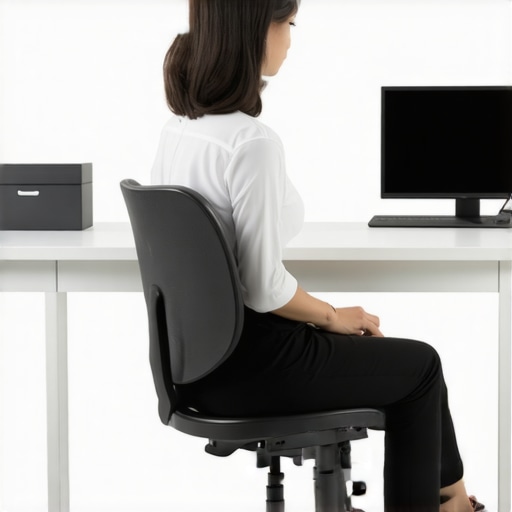
How to use a standing desk without hurting your hips
There was a morning not long ago when I stood up from my desk and felt a sharp, almost stabbing sensation in my hips. I’d been trying to stay active during work hours, thinking I was doing the right thing, but suddenly, I realized I was risking more than just fatigue—I was risking my mobility. That lightbulb moment made me question everything I thought I knew about working at a standing desk.
How to Use a Standing Desk Without Hurting Your Hips
Are Standing Desks Really Worth the Hype?
When I first switched to a standing desk, I thought I was embracing the future of ergonomic health. However, I soon learned that standing all day isn’t a one-size-fits-all solution. Early on, I made the mistake of just raising my workstation to eye level and expecting no issues. Instead, I started experiencing hip tightness and lower back discomfort, which only worsened over time. The key is understanding how to adjust and incorporate proper movement strategies into your routine.
Research shows that prolonged static postures, even standing ones, can lead to muscle imbalances and joint strain—especially in the hips and lower back. This insight was a game-changer for me. It’s not just about standing; it’s about moving wisely. If you’re facing similar challenges, I highly recommend exploring effective techniques to enhance your mobility while using a standing desk. You might find it beneficial to look into comprehensive guides, such as chiropractic secrets to boost neck comfort and function, for tips to prevent common posture pitfalls.
Remember, the goal is to make your workspace work for you without creating new problems. Now, let’s dive into practical steps you can take today to enjoy the benefits of a standing desk without paying the price in hip pain.
Adjust Your Standing Desk Properly
Start by setting your workstation to elbow height, allowing your arms to relax at your sides with wrists straight. This prevents unnecessary strain on your hips and lower back. When I first tried this, I realized my hips no longer felt as tight after hours, leading to a significant boost in comfort. Remember, a poorly adjusted desk forces your hips into awkward positions, contributing to pain. For detailed guidance, check out this practical guide.
Incorporate Dynamic Movements Regularly
Set a Timer for Movement Breaks
Every 20 minutes, stand up, stretch, or walk around for a minute. This reduces static joint loading and encourages blood flow. I started scheduling timed breaks, which initially felt like interruptions, but I soon noticed less hip tightness and improved circulation. Think of your hips like a car engine; they need to move to stay well-lubricated. For optimal routines, consider exploring these mobility techniques.
Practice Hip-Friendly Stretches
Simple stretches like lunges or pigeon pose target tight hip muscles. Initially, I looked foolish trying pigeon pose at my desk, but the relief in my hips was worth the awkward moment. Consistent stretching maintains flexibility and prevents muscle imbalances. Incorporate these stretches into your daily routine and visit this comprehensive guide for more stretches.
Optimize Your Posture and Footwear
Wear supportive shoes and avoid high heels, which tilt your pelvis and strain your hips. I swapped my fashionable heels for ergonomic sneakers after noticing my hips felt worse towards the end of the day. Think of your feet as the foundation of a building; if they are uneven, everything above suffers. Using a footrest or orthotics can further improve alignment. For insights into footwear’s impact, see this article.
Employ Proper Sitting and Standing Transitions
When moving from sitting to standing, do so slowly to give your hips time to adjust. I used to jump up abruptly, causing sharp hip discomfort, but now I follow a controlled motion, which keeps pain at bay. Imagine your hips as a hinge; sudden movements can cause them to jar, leading to inflammation. Incorporate gentle tilts and mobilizations during transitions for better health. Visit this resource for techniques that ease movement transitions.
Prioritize Core Strengthening
A weak core shifts extra load onto your hips. I added a few isometric holds, like planks, into my routine and noticed my hips felt more stable. Consider core exercises that engage the abdominals and lower back, supporting proper pelvis alignment. Strong core muscles act as a muscular corset, preventing excessive hip motion. For targeted core-building tips, see this guide.
Integrate these actions step-by-step, note how your hips respond, and adjust accordingly. Remember, maintaining mobility is an ongoing process, but with consistent effort, discomfort decreases, and your standing desk experience becomes healthier.
,Many people assume that chiropractic care is solely about quick fixes like cracking joints or instantly relieving pain, but that’s a misconception. The real nuance lies in understanding how interconnected your entire spinal health is and how quick remedies often overlook underlying issues. For example, the myth that chiropractic adjustments alone can sustain long-term mobility ignores the importance of comprehensive strategies such as proper posture, targeted stretches, and lifestyle modifications. In fact, research indicates that a combined approach yields far better results in managing chronic pain and preventing recurrence. One common trap worth avoiding is focusing only on symptom relief without addressing the root causes—like muscle imbalances or misalignments that develop over years. This oversight often leads to repeated visits without true progress. Additionally, many believe that pain in the neck or back is always due to a singular injury or strain, but in reality, it can stem from subtle, often neglected factors such as foot positioning or poor sleep posture, underscoring the importance of holistic assessment. For advanced readers asking, “How do spinal biomechanics influence nerve function in chronic pain cases?” it’s essential to recognize that misalignments can impair nerve signals and affect overall mobility, as emphasized by experts in spinal research. To deepen your understanding, explore how looking beyond immediate pain and addressing the full spinal alignment can transform your recovery journey by visiting our comprehensive guide on chiropractic secrets to boost mobility. Remember, lasting relief requires patience, knowledge, and addressing the often unseen contributors to discomfort. Have you ever fallen into this trap? Let me know in the comments.
Keep It Moving with the Right Tools
Maintaining spinal health over time requires more than just good posture; it demands the right equipment and consistent routines. Personally, I rely heavily on a foam roller designed specifically for spinal release. I prefer the TriggerPoint MB1 because its dense yet pliable surface helps my back and neck muscles relax without aggravating sensitive areas. Regular use of this roller has helped me prevent muscle knots that can compromise mobility and exacerbate pain. For targeting deep tissues, I recommend advanced chiropractic techniques that are easily integrated into daily routines.
In addition to physical tools, digital apps like BraceUP offer guided stretches and mobility exercises based on your pain points. I find this app invaluable for maintaining a proactive approach to neck and back health, especially during busy schedules. The personalized routines help me avoid repetitive strain and remind me to move intentionally throughout the day.
Software and Modalities That Make a Difference
Investing in segmental electrical stimulation devices, such as TENS units, has also benefited my long-term healing. I chose models with adjustable settings so I can target specific areas—be it neck tension or lower back soreness. This approach helps reduce inflammation and promotes circulation, which supports tissue repair. Remember, devices are adjuncts, not substitutes, for proper chiropractic care. For a comprehensive recovery plan, you might explore resources like chiropractic strategies for restoring mobility.
Looking ahead, I predict the integration of smart wearables with real-time biofeedback will revolutionize chiropractic care. Devices like myofascial sensors could provide instant data on muscle tension, guiding more precise adjustments and exercises.
How do I maintain consistent progress over time?
Consistency is key. I set weekly goals with measurable milestones, such as improving the duration of stretches or reducing the frequency of tension headaches. Keeping a detailed journal of my routines helps me identify patterns and adjust my tools accordingly. Additionally, I schedule regular check-ins with my chiropractor to ensure my home routines align with my evolving needs. For instance, if I notice increasing neck stiffness, I revisit simple yet effective chiropractic hacks tailored for daily use. Embracing this layered approach, combining hardware, software, and professional guidance, ensures that my mobility stays resilient for the long haul.
Remember, investing in quality tools and maintaining a disciplined routine can dramatically improve your spine’s health. Start by integrating one new device or practice this week and observe how your body responds. For more tailored advice, consult your chiropractor or visit our detailed guides.
Over the years of working with countless clients on their spinal health, I’ve discovered that the journey to sustained mobility is filled with crucial lessons that often go unnoticed. One key insight is that quick fixes can sometimes mask underlying issues, creating a cycle of dependency instead of true healing. It’s essential to look beyond immediate relief and focus on building resilient habits and understanding your body’s nuanced signals. Patience and consistent effort, combined with tailored strategies, are real game-changers in achieving lasting movement freedom.
What the Experts Don’t Tell You About Lasting Spine Health
- One of my most eye-opening lessons was realizing that addressing just symptoms—like neck pain or back stiffness—without understanding root causes often leads to recurrence. For example, correcting simple foot positioning or optimizing sleep posture can dramatically reduce chronic discomfort, highlighting the interconnectedness of the entire kinetic chain.
- I’ve learned that incorporating small, daily mobility rituals—such as gentle hip rotations or diaphragmatic breathing—can fortify your spine’s resilience in ways that major adjustments alone can’t achieve. These micro-movements keep your tissues supple and your nervous system responsive.
- Early in my practice, I underestimated the power of mindset. Viewing spinal health as a lifelong journey, rather than a quick fix, fosters patience and encourages embracing habits that support long-term mobility instead of temporary relief.
My Top Tools for Maintaining Spinal Vigor
- TriggerPoint MB1 Foam Roller: I trust this for releasing deep muscle knots without overstimulation, which helps maintain flexibility and prevent pain build-up.
- Chiropractic Secrets to Regain Full Mobility: This comprehensive guide offered me actionable routines and insights that I’ve integrated into my daily practice, making a difference in my clients’ progress.
- Mobility-Enhancing Apps: Tools like BraceUP provide personalized routines that keep my movement patterns sharp and my body attentive to what it needs.
- Biofeedback Devices: Segmental TENS units help me fine-tune my healing processes by reducing inflammation and improving circulation, supporting tissue repair over time.
Your Next Step Toward Freedom of Movement
Remember, the path to lasting mobility isn’t a sprint but a steady walk filled with mindful choices and consistent actions. Whether you’re just starting or refining your routine, keep in mind that your body responds best to patience, tailored strategies, and a positive mindset. Stay proactive, explore these tools, and don’t hesitate to seek guidance to align your daily habits with your mobility goals. Your spine is more resilient than you think—nurture it every day.
What small change will you commit to today to support your long-term mobility? Share your plans below and let’s keep each other motivated on this journey!
!