The truth about foam rolling your lower back
I remember the exact moment it happened—trying to loosen up my aching lower back after a long day, I grabbed a foam roller with high hopes. But instead of relief, I felt a jolt of discomfort that made me second-guess everything I thought I knew about self-care. That lightbulb moment revealed a harsh reality: not all foam rolling is beneficial, especially for your lower back.
Many of us believe that rolling out tight muscles will automatically ease pain and improve mobility. But the truth is, there’s a lot more nuance involved, and jumping in without knowledge can sometimes do more harm than good. If you’ve ever experienced worsening pain or persistent discomfort after foam rolling your lower back, you’re not alone.
Today, I want to share what I’ve learned over years of personal trial, error, and professional advice. We’ll uncover the real do’s and don’ts of foam rolling the lower back, so you can make informed decisions and avoid common pitfalls that might be sabotaging your efforts. After all, effective mobility work isn’t just about pressure; it’s about precise technique and understanding your unique body.
Why Foam Rolling Your Lower Back Can Be a Double-Edged Sword
Many people turn to foam rolling as a quick fix for lower back pain, hoping to release tension and restore movement. But here’s the twist—your lower back isn’t like other muscle groups that benefit from direct rolling. In fact, improper technique or misunderstanding of anatomy can lead to increased pain or even nerve issues.
A common mistake is applying excessive pressure directly on the lumbar spine itself. This area contains delicate structures, and pressing too hard can aggravate nerves or promote inflammation. Instead, focusing on surrounding muscles, like the glutes, hamstrings, and the muscles along the hips, tends to be safer and more effective.
What’s more, foam rolling is only part of a comprehensive approach. Incorporating targeted chiropractic strategies and maintaining a balanced posture play essential roles in long-term relief and mobility. For practical tips tailored for your needs, I recommend checking out expert insights on managing back pain and regaining movement from sources like [Quackers Spinal](https://quackersspinal.com/revitalize-your-mobility-proven-strategies-for-back-pain-relief).
So, have you tried foam rolling your lower back and felt it made things worse? That’s a more common problem than you might think. It’s a signal that your approach needs adjustment—and that’s exactly what we’ll guide you through next. Chronic pain and restricted mobility can often be symptoms of underlying issues that require a smarter, safer approach to self-care.
In the sections ahead, I’ll walk you through the best practices, common mistakes to avoid, and alternative strategies to keep your lower back healthy. Because you deserve to move freely without the fear of aggravation or injury.
Target Surrounding Muscles, Not the Spine
When foam rolling your lower back, focus on muscles around the lumbar area like the glutes, hamstrings, and hips. To do this effectively, place the foam roller just below your lower back, avoiding direct pressure on the spine itself. I once tried rolling directly on my lumbar vertebrae, which led to increased discomfort. Instead, by targeting the muscles that support your spine, you alleviate tension without risking nerve irritation.
Position Correctly to Avoid Injury
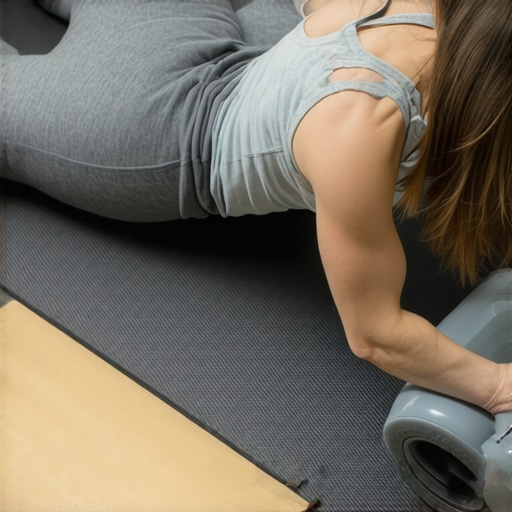
Lie face down with your knees bent and feet flat on the ground. Position the foam roller under your hips or the upper thighs. Roll slowly, stopping at tight spots, and breathe deeply. Remember, slow and controlled movements are key; rushing can increase strain. During my first attempt, I was too aggressive, which made my pain worse. Learning to modulate pressure transformed my practice and reduced discomfort.
Master the Technique for Maximum Benefit
Use your hands to support your top body, maintaining a neutral spine. Roll back and forth gently, covering the muscles on either side of your lower back. When you find a tender spot, pause and hold for about 20 seconds. Incorporate diaphragmatic breathing—inhale deeply to expand your belly—to enhance relaxation. I found that relaxed breathing allowed muscles to release more effectively, avoiding unnecessary tension.
Incorporate Complementary Posture and Mobility Strategies
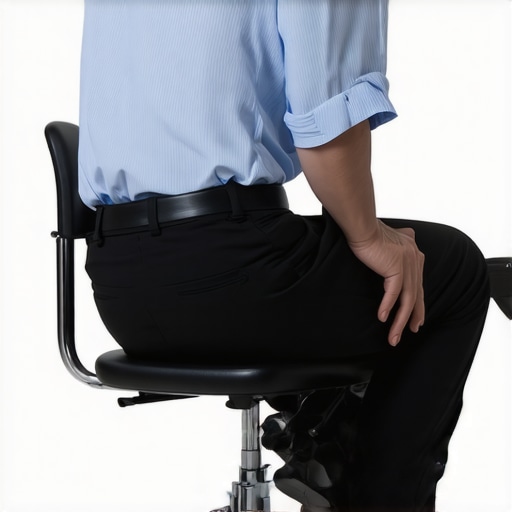
Foam rolling alone isn’t enough. Combine it with maintaining proper posture during daily activities. For instance, sitting at a desk with feet flat and hips at 90 degrees reduces lumbar stress. Incorporate stretching routines like the hip 90-90 stretch to open hips and reduce lower back strain. Personal experience taught me that neglecting posture worsened my pain despite regular foam rolling, so integrating these habits is essential.
Seek Professional Guidance to Tailor Your Approach
If persistent pain occurs, consult a chiropractor or physical therapist. They can assess your specific condition and suggest exercises or adjustments. I visited a specialist who identified underlying imbalances that foam rolling alone couldn’t address. For safe and effective strategies, check out these expert-backed methods.
Many people believe that pain relief solutions like chiropractic adjustments or stretching are one-size-fits-all, but in my experience, this couldn’t be further from the truth. A common misconception is that any mobility exercise or chiropractic technique will automatically improve neck or back health. However, subtle nuances—such as body mechanics, individual anatomy, and timing—play crucial roles in effective treatment. For example, applying high-force adjustments without full understanding of spinal biomechanics can inadvertently cause more harm than good, especially if underlying issues are overlooked. An advanced mistake many overlook is neglecting the interconnectedness of muscles and nerve pathways; focusing solely on the symptomatic area often results in temporary relief at best. To truly optimize recovery, it’s essential to consider holistic strategies that encompass posture, movement patterns, and targeted therapies. Experts like Dr. Scott Bautch emphasize the importance of personalized plans that address root causes rather than just symptoms, as detailed in his publications on [chiropractic solutions that work](https://quackersspinal.com/neck-pain-no-more-expert-chiropractic-solutions-that-work). Additionally, understanding the difference between muscle tightness and nerve inflammation is vital; aggressive stretching of nerves or muscles can exacerbate the problem if not properly diagnosed. The trap here is assuming that pain equals weakness or damage, but sometimes pain signals protective nerve responses—forcing the body to adapt, not necessarily break. One question I encounter from advanced readers is: “How do I distinguish between mechanical pain and nerve-induced pain for tailored treatment?” The answer lies in detailed assessment, often requiring imaging or specialized diagnostics—something best handled by professionals. For detailed guidance on optimizing your mobility and avoiding common pitfalls, check out [mobility mastery tips](https://quackersspinal.com/mobility-mastery-expert-tips-for-back-pain-prevention-and-recovery). Remember, effective management involves understanding that your body is a complex system; superficial fixes rarely suffice. Have you ever fallen into this trap? Let me know in the comments.Maintaining mobility and relieving pain over the long term requires not just knowledge, but also the right tools and consistent routines. One of my favorite equipment pieces is the **firm, dense foam roller**—specifically designed for targeted muscle release. I personally use a high-density roller because it provides the necessary firmness to reach deep muscles like the glutes and hamstrings without collapsing, ensuring effective pressure without risking nerve irritation. Additionally, incorporating **massage balls**—like the tennis ball or specialized myofascial release balls—has been a game changer for pinpointing stubborn knots in sensitive areas like the suboccipital muscles. They are inexpensive, portable, and perfect for a quick release during the day.
On the software side, I recommend apps that track your mobility routines and set reminders for daily stretches or self-massage sessions. For instance, **Pocket Physio** offers guided routines that are easy to follow and adaptable to different levels of mobility. Consistency in using these tools helps cement habits that prevent chronic pain and keep your spine functioning optimally.
Looking ahead, I predict the future of pain management will lean heavily toward personalized, AI-driven programs that analyze your movement patterns via wearable tech and suggest real-time adjustments. Technologies like biofeedback devices will offer instant insights into muscle tension and posture, making self-care more effective and less guesswork.
How do I keep my mobility tools effective over time?
Maintaining your equipment is crucial for sustained results. Foam rollers and massage balls should be cleaned regularly to prevent bacteria buildup—use warm water and gentle soap. Replace foam rollers every 6-12 months, as over time they can break down or lose firmness. For digital tools, keep apps updated and periodically revisit your routines to adapt to your evolving needs, especially if you experience changes in pain or mobility. Incorporating a routine of regular equipment checks and updates ensures your self-care practices remain both safe and effective.
Finally, remember that integrating these tools within a comprehensive plan is the most effective way to preserve your progress. Combining equipment use with good posture habits, targeted stretching, and occasional professional consultations will provide lasting benefits. For more detailed guidance tailored specifically for your needs, explore [these expert-backed mobility tips](https://quackersspinal.com/mobility-mastery-expert-tips-for-back-pain-prevention-and-recovery). If you’re eager to dive deeper into customized strategies, don’t hesitate to reach out through our [contact page](https://quackersspinal.com/contact-us-2).
Pro tip: Try the deep tissue massage ball technique on tight hip muscles this week. It’s powerful for releasing tension that often contributes to lower back discomfort. Consistent application can significantly enhance your mobility and help you stay pain-free longer.Throughout this journey, I’ve realized that the path to a healthy lower back isn’t just about quick fixes but understanding your body’s unique needs. One of my biggest lightbulb moments was acknowledging that improperly performed foam rolling can do more harm than good—it’s a lesson in cautious progress. I’ve also learned that the most effective strategies involve targeting the right muscles, maintaining proper posture, and seeking personalized guidance from professionals. Embracing a holistic approach, including the right tools and consistent routines, has transformed my mobility and pain management. Remember, your body’s story is unique, and listening closely while applying these insights will lead to lasting relief and freedom of movement.