Why your digestion might be linked to your mid-back pain
It was a morning like any other—until I cracked my back while reaching for my coffee, and suddenly, I was hit with a jolt of pain not just in my mid-back, but a strange gnawing in my stomach that made me pause. That lightbulb moment led me down a rabbit hole I never expected: the surprising connection between digestion issues and mid-back discomfort.
Why Your Back Pain Might Be More Than Just Muscles
Initially, I thought my back pain was just poor posture or perhaps a strain from too much sitting. But as days went by, I noticed something odd—my digestion wasn’t quite right. Bloating, indigestion, even occasional nausea. It was a frustrating cycle, and I kept ignoring the link, chalking everything up to stress or bad ergonomics. That was a mistake. Early on, I overlooked the importance of considering internal health alongside spinal health, which only delayed my recovery.
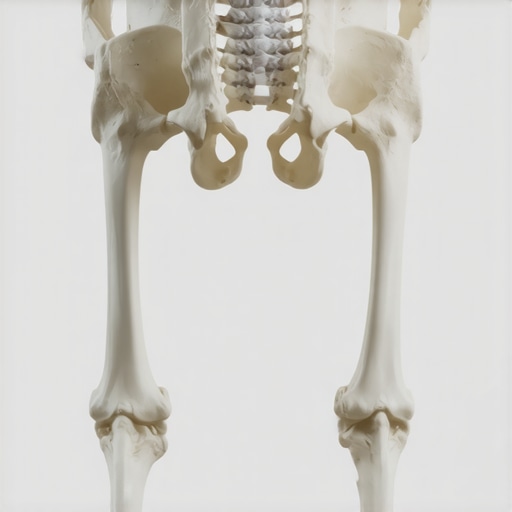
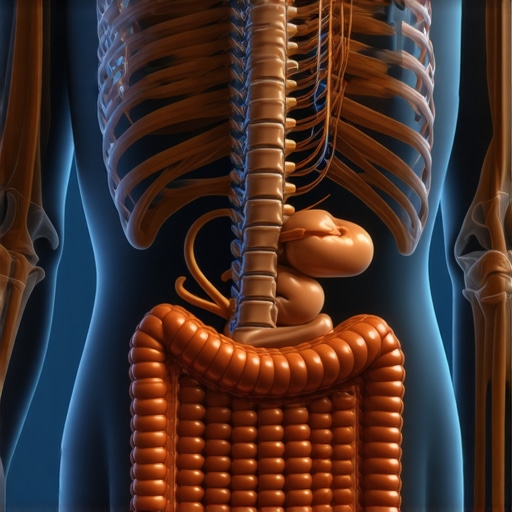
So, what if I told you that your mid-back pain could actually be a sign of deeper issues, like digestive dysfunction? Yes, it sounds surprising, but research suggests that the nerves in your thoracic spine and the digestive system are more connected than you might think. When your digestion struggles, it can lead to inflammation and tension that manifest as pain in the mid-back region. And guess what? Fixing one often helps the other.
In today’s post, we’re going to unravel this complex relationship. I’ll share practical insights from my own experience and experts, helping you identify if your digestion could be affecting your back. Together, we’ll explore actionable steps to improve both, so you don’t have to live in discomfort or ignore what your body is telling you.
Is Your Digestion Sabotaging Your Back? The Skepticism:
I used to think back pain was purely mechanical—something a chiropractor could fix with an adjustment. I didn’t realize that internal health, especially digestion, plays a critical role. Early on, I made the mistake of neglecting my gut health, believing pain was just a muscle issue. Since then, I learned that inflammation from poor digestion can cause or worsen back pain, making it essential to address both simultaneously. For more on this, check out this insightful article.
Now, I want to hear from you—have you ever experienced persistent mid-back pain along with digestive troubles? If so, you’re not alone, and there’s good news ahead. Let’s dive into how you can start tackling both issues effectively.
,
Target the Root Cause with Specific Movements
Start by incorporating gentle spinal mobility exercises to loosen tension and improve movement. For example, a simple thoracic rotation can be performed by sitting on a chair, crossing your arms, and rotating your upper body side to side. I tried this during a hectic morning when I felt stiff; within minutes, my back felt more flexible and less painful. Regularly doing these exercises is akin to oiling a rusty hinge, ensuring smooth movement and reducing strain.
Apply Self-Myofascial Release Techniques
Use tennis balls against your mid-back to release fascia tightness that aggravates pain. Lie on your stomach, place two balls between your shoulder blades and the floor, and gently move around for 1-2 minutes. I remember balancing the balls awkwardly, feeling initial discomfort, but soon noticing a significant decrease in muscle knots and discomfort. Think of fascia like stubborn tape—work on it regularly to peel it away and restore mobility.
Practice Deep Breathing to Relax Internal Tissues
Deep diaphragmatic breathing can reduce inflammation stemming from digestive stress. Lie down, place one hand on your chest and the other on your abdomen, and take slow breaths so that your stomach expands more than your chest. I found this challenging at first, especially during busy mornings, but it became a powerful tool for calming my nervous system and reducing muscle tension. It’s like giving your internal organs a gentle massage from within, easing pressure and promoting better digestion.
Stretches that Combine Posture with Digestive Support
Adopt stretches that open up your chest and stretch your abdominal area, like the standing side stretch. Reach one arm overhead, lean to the opposite side, and hold for 15 seconds. This not only improves posture but also encourages better digestion by unwinding tightened abdominal muscles. I integrated this stretch into my daily routine, noticing less bloating and mid-back discomfort over time. Think of it as untangling a knot—each gentle pull loosens stagnation and restores flow.
Adjust Daily Habits to Prevent Future Strain
Monitor ergonomic setups and avoid prolonged poor postures. For instance, position your computer monitor at eye level and take a break every 30 minutes. I started setting timers on my phone, which prompted frequent posture checks. Initially, it was awkward, but now it feels instinctive. Treat your body like a finely tuned instrument—regular tuning prevents dissonance and maintains harmony between digestion and spine health.
Eat Mindfully and Maintain Hydration
Opt for smaller, more frequent meals and drink plenty of water. I kept a water bottle at my desk and ate slowly, chewing thoroughly. Doing so reduced bloating and minimized the internal inflammation that contributed to my back pain. Picture your digestive system as a factory: feeding it steadily prevents backups and keeps everything running smoothly.
Many assume that chiropractic care is solely about quick spinal adjustments, but this oversimplification often leads to missed opportunities for lasting relief. In reality, the most effective treatment addresses not just symptoms but underlying causes — such as movement patterns, muscle imbalances, and lifestyle factors. A common misconception is that chiropractors only manipulate the spine, yet their expertise extends into biomechanics and neuromuscular re-education, which are crucial for comprehensive back pain management. Overlooking these aspects can result in temporary relief but recurrent pain. Furthermore, some believe that mobility exercises are mere stretching, but advanced techniques incorporate specific neuromuscular activation, stability training, and tissue release strategies. Ignoring these nuances can cause people to perform ineffective routines that fail to build resilience or correct root issues. A noteworthy trap is focusing only on pain reduction without modifying movement habits. Persistent pain often signifies unresolved biomechanical patterns, and without addressing posture, repetitive strain, and core stability, pain may worsen over time. A study in the *Journal of Orthopaedic & Sports Physical Therapy* highlights that combining manual therapy with corrective exercises yields superior outcomes compared to isolated treatments. For deeper insight, explore this guide on understanding back pain. To truly optimize your recovery or prevention, it’s essential to recognize that chiropractic, mobility, and lifestyle modifications work synergistically. Doing just one without the others can be a missed opportunity for long-term health. Have you ever fallen into this trap? Let me know in the comments. Now, let’s uncover how these details can elevate your approach to back health.Maintaining your spinal health over the long term requires more than just occasional stretches or adjustments; it demands the right tools and consistent habits. In my experience, investing in specific equipment and adopting proven methods can make a significant difference in preventing setbacks and scaling your mobility. One device I swear by is the **Mini Foam Roller**. Unlike standard foam rollers, the compact size allows me to target smaller muscles around the thoracic and cervical spine precisely. I’ve found it incredibly effective when used for my suboccipital release, which you can explore further through [The Suboccipital Release You Can Do with Two Tennis Balls](https://quackersspinal.com/the-suboccipital-release-you-can-do-with-two-tennis-balls).
The Hardest Lesson I Learned About Chiropractic, Mobility, Back Pain, Neck Pain
One pivotal insight came from recognizing that true healing isn’t just about quick fixes but understanding the intricate relationship between internal health and spinal function. I once believed that regular adjustments alone could keep my pain at bay, but I discovered that neglecting lifestyle factors, like digestion and posture, only meant the pain was hiding, not gone.
Top Resources That Changed My Approach to Spinal Wellness
First, this comprehensive guide on neck pain relief helped me grasp the importance of addressing root causes rather than just symptoms. Second, Mobility Mastery introduced me to specific exercises that build resilience. Lastly, the stories of real recovery from others reminded me that personalized care, combined with consistent habits, yields lasting results.
Your Next Step in Achieving Long-Term Spinal Health
Remember, the journey toward pain-free living is a series of small, consistent actions. Whether it’s incorporating targeted stretches, mindful eating, or regular movement, every effort counts. If you’re ready to transform your back and neck health, start by assessing your daily habits and seeking guidance from trusted professionals. Share your experiences or questions below—I’d love to hear what finally helped you overcome your discomfort.