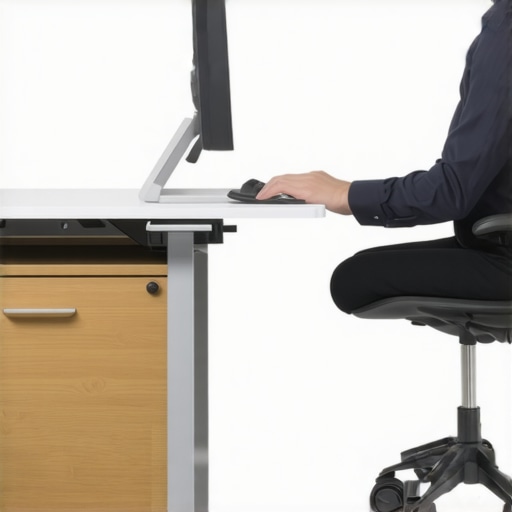
Why Your Standing Desk Needs a Footrest to Save Your Lumbar Spine
I remember the moment vividly: after hours of working at my adjustable standing desk, a sharp twinge shot through my lower back. It was as if a vice had clenched around my lumbar region, making every movement a reminder of my oversight. For weeks, I brushed it off, thinking it was just fatigue or poor posture. But the discomfort persisted, creeping into my daily life like an uninvited guest. It was then I realized I was missing a simple yet crucial tool: a footrest.
The real reason your back hurts despite a standing desk
Many folks jump into standing desks for the health benefits—more movement, less sitting—and yet, they neglect some fundamental ergonomic principles. One overlooked detail is the position of your feet. Without proper support, your hips can tilt, straining your lumbar spine and causing persistent pain. I learned this the hard way, early in my journey, by making a classic mistake: leaving my feet flat on the floor without any elevation. That posture led to unnecessary pressure on my lower back, exacerbating discomfort and disrupting my focus.
Research shows that improper foot positioning can increase lumbar strain, leading to longer-term issues if not corrected (source: see this expert insight). Luckily, I’ve found that adding a simple footrest makes a significant difference, promoting better alignment and reducing fatigue.
Imagine this: elevating your feet slightly transforms your standing position, relieving pressure from your lumbar discs and stabilizing your pelvis. It’s a small change with outsized benefits, especially for those who spend hours at their desk. Whether you work remotely or in an office, ensuring your feet are supported is key to protecting your back.
In the upcoming sections, I’ll guide you through understanding why a footrest works, how to choose the right one, and practical tips to make your workspace more comfortable. If you’ve ever faced that dull ache or sharp jolt in your lower back, keep reading. Your lumbar spine might just thank you.
Position Your Feet for Better Support
Start by elevating your feet slightly using a sturdy footrest or a stack of books. During a day I implemented this, I placed a small wooden block under my desk while working on my laptop. Instantly, I felt a reduction in lower back pressure, as my hips aligned better, easing lumbar strain. To do this effectively, ensure your feet are supported so that your knees are at a 90-degree angle, preventing your pelvis from tilting forward or backward.
Adjust Your Desk and Monitor Height
Set your monitor so the top of the screen is at eye level. This prevents you from leaning forward or looking down, which can strain your neck and upper back. I remember jostling my monitor several times—at first with a makeshift pile of books—until I found the perfect height. Use a monitor riser or adjustable stand to achieve this. Proper screen height maintains cervical spine health, reducing tension and discomfort.
Strengthen Core Muscles for Support
Engage your deep core muscles through targeted exercises like planks or bird-dogs. I incorporated a 30-second plank into my routine, holding it with correct form—pelvis level and shoulders over wrists. Regular core activation stabilizes your lumbar region, preventing excessive movement that can cause pain. Remember to breathe steadily during these exercises, and avoid overdoing it—gradually increase duration for sustained benefit.
Optimize Your Sitting and Standing Transitions
Use dynamic movements such as gentle hip tilts or pelvic resets to break static postures. I once spent hours at my desk and started experiencing mid-back stiffness. Incorporating a quick pelvic tilt—tucking and then releasing the pelvis—helped reset my spinal alignment. A simple trick is to periodically stand, stretch, or perform a few gentle movements every 15-20 minutes, which minimizes stiffness and promotes mobility.
Implement Proper Breathing to Release Tension
Practice diaphragmatic breathing to relax your core and reduce muscle tightness. During a stressful day, I paused to take deep belly breaths, watching my abdomen rise and fall. This technique improves oxygen flow and decreases muscle tension, particularly in the traps and neck. Incorporate breathing exercises into your routine to manage stress and prevent muscle knots that contribute to pain.
Utilize Correction Accessories Wisely
Consider using lumbar rolls or rolled-up towels for lumbar support. I placed a rolled towel behind my lower back while seated, which helped maintain the natural curve of my lumbar spine. This simple addition acts as an ergonomic aid, reducing strain during long working periods. Make sure the support aligns with your lumbar region and doesn’t force your spine into unnatural positions.
Many people believe that chiropractic care is solely about cracking joints or quick fixes, but this misses a crucial nuance: effective treatment involves understanding the complex mechanics of the spine and the mind-body connection. While common myths like “adjustments are all you need” persist, they can lead to overlooked issues, such as neglecting muscle imbalances or postural habits that perpetuate pain. A frequent mistake is focusing solely on symptom relief without addressing root causes, which can cause pain to return or worsen over time. For advanced cases, relying only on passive treatments without incorporating active self-management strategies, like specific exercises and ergonomic practices, often fails to produce long-term results. According to a study in the Journal of Manipulative and Physiological Therapeutics, patients who combine chiropractic care with tailored exercise programs experience significantly better outcomes in back and neck pain management. Engaging in holistic approaches—considering tissue health, neural factors, and movement patterns—yields more sustainable relief. Remember, the art of chiropractic isn’t just about adjustments; it’s about integrating knowledge of the science and psychology behind pain. Don’t fall into the trap of thinking quick fixes are enough; instead, seek comprehensive strategies that empower your recovery. Have you ever fallen into this trap? Let me know in the comments.
Keeping your spine healthy and functional over time requires more than just immediate fixes; it demands a strategic approach using reliable tools and consistent routines. From ergonomic accessories to specialized exercises, integrating these into your daily life can enhance mobility and prevent setbacks. One item I personally rely on is a high-density lumbar support cushion, which molds perfectly to my lower back, maintaining proper curvature during long hours at my desk. Implementing such tools has significantly reduced my incidence of flare-ups and deepened my understanding of spinal mechanics.
How do I maintain my back health over time?
Consistency is key. I schedule regular reviews of my workspace setup, ensuring ergonomic alignment based on current best practices. For example, I monitor my monitor height and make adjustments to prevent neck strain, especially as I spend more hours working remotely. Additionally, I incorporate daily mobility routines involving foam rolling and targeted stretches to release tension accumulated from prolonged static postures. These routines, combined with tools like a posture-perfecting smart sensor— which tracks your sitting and standing positions and offers real-time feedback— reinforce good habits and help me catch poor postural tendencies before they become ingrained.
Looking to modern solutions, I use a smart app that guides me through posture correction exercises based on my daily activity patterns. This ensures I don’t neglect mobility or posture, even during busy days. The trend points toward AI-powered ergonomic assessments becoming increasingly prevalent, offering personalized adjustments and reminders tailored to individual habits and needs. Embracing these technologies fosters sustained back health and can save you from costly interventions later on.
Invest in the right tools for lasting results
Choosing the proper equipment can be daunting, but the key is selecting items that address specific issues you face. For instance, a versatile sit-stand desk converter allows me to vary my position, reducing strain and promoting circulation. I also swear by the use of silicone-based massage balls, which help me target stubborn knots and improve tissue flexibility. Regular use of these tools amplifies the benefits of chiropractic care, like that described in this comprehensive guide, making progress more sustainable.
As I look forward, I predict that integrating smart technology with traditional ergonomic tools will become standard in back pain management. Future advancements may include AI-driven feedback systems that adapt to your movements and suggest immediate corrections, creating a seamless support network for spinal health. For now, I encourage you to experiment with one of these tools— perhaps a posture sensor or mobility app— to elevate your routine.
Remember, maintaining back health is an ongoing process. Make regular assessments, invest in tailored tools, and stay committed to proactive habits. Want personalized recommendations? Reach out to my team today and start building a resilient, pain-free future for your spine.
Throughout my journey with back pain and mobility struggles, I’ve uncovered lessons that often go unnoticed in mainstream advice. One of the most profound insights is that **small, consistent adjustments**—like using a tailored lumbar support or practicing mindful breathing—can dramatically shift your spinal health over time. Additionally, I learned that **not all stretches are beneficial**, and some might inadvertently worsen discomfort unless carefully tailored to your body’s needs. Recognizing the **complex interplay** between posture, muscle balance, and neural health has been a game-changer, revealing that healing isn’t just about external tools but understanding how your body communicates its needs and limits. Lastly, embracing **technology-enhanced ergonomics**, such as posture-tracking apps and smart adjustments, can make proactive spine care effective and effortless, empowering you to stay ahead of pain before it escalates.