Why your screen height matters more than your chair brand
I remember the exact moment when I realized that my back pain wasn’t just about an uncomfortable chair or an awkward posture I couldn’t fix. It was something simpler, yet more overlooked—my screen height. Sitting at my desk, hours on end, I felt that sharp twinge in my neck and lower back. No matter how fancy the chair was, those aches persisted. That’s when a lightbulb went off: the way I positioned my screen was sabotaging my comfort more than I ever imagined.
This revelation transformed my approach to ergonomic setups. Today, I want to share with you why paying attention to your screen height can be a game-changer—far more than splurging on that high-end chair you’ve been eyeing. Together, we’ll dive into how this simple tweak can eliminate persistent pain and improve your mobility.
The Hidden Power of Screen Height in Preventing Back and Neck Pain
Many believe that investing in a premium chair automatically cures back issues. However, evidence suggests that misaligned screens cause more strain than most realize. When your screen is too low or too high, your body compensates—leading to forward head posture, rounded shoulders, and ultimately, chronic pain. Understanding this can save you money and discomfort in the long run.
Will Fixing Screen Height Truly Relieve My Pain?
I used to think that if I bought a better chair, my problems would vanish. Early on, I made the mistake of focusing solely on ergonomic chairs without adjusting my monitor setup. That oversight kept my neck stiff and my back sore. It wasn’t until I prioritized proper screen placement, making sure it was at eye level, that my discomfort started to fade. You can read more about effective neck pain management with this step-by-step guide.
So, if you’ve been battling neck stiffness or back pain despite ergonomic furniture, it’s worth examining the height of your screen. Small adjustments can have a profound impact—sometimes more than hardware upgrades.
Are you tired of waking up sore or feeling stiff after long workdays? If so, stay tuned. We’re about to explore practical ways to get your screen to work for you, not against you.
,
Position Your Screen at Eye Level
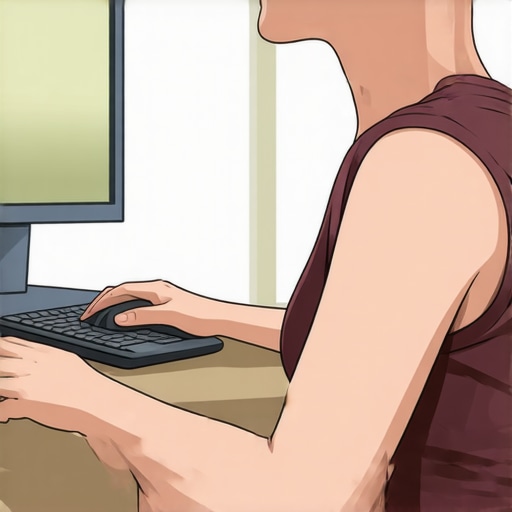
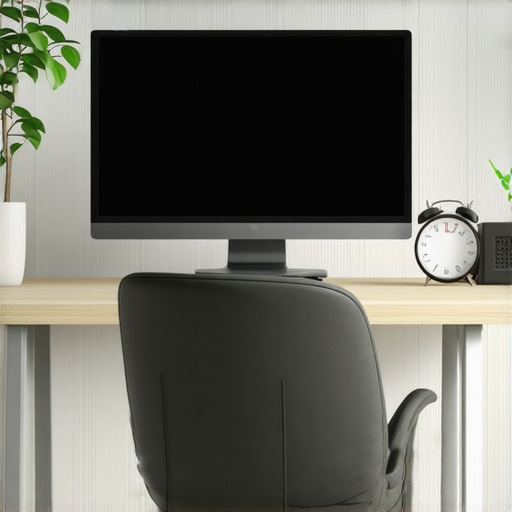
Set your monitor so that the top of the screen is roughly at your eye level. Use books or a stand if necessary. I once used a stack of boxes to elevate my laptop, and the next day, my neck felt noticeably less stiff. Securing this position prevents you from looking down or up, which causes strain.
Use Visual Guides to Find the Right Height
Place a mirror behind your monitor to check your posture or use a smartphone to record and review. The goal is to have your gaze straight ahead, not downward or upward. This simple check eliminated unnecessary neck tilts in my routine.
Adjust Your Seating and Desk Setup
Ensure your chair height allows your feet flat on the floor, and your knees are at a 90-degree angle. Position your keyboard and mouse so your elbows stay close to your sides, forming a 90-degree angle. When I adjusted my chair to align with my desk and kept my elbows at 90°, I noticed my shoulders stopped burning after long typing sessions.
Maintain a Neutral Spine
Remember, your spine should support your natural curves. Sit back fully in your chair, and use lumbar support if available. I started using a rolled towel at my lower back, which kept my posture upright without effort, reducing back tension.
Positioning Your Screen for Comfort and Productivity
Center your monitor directly in front of you, about an arm’s length away. Every so often, I find myself leaning forward; my solution was to use a document holder or monitor riser, which keeps the screen close and at the correct height, alleviating neck tension.
The Power of Regular Micro-Adjustments
Small tweaks throughout the day prevent discomfort. For example, during a hectic afternoon, I gently tilted my monitor slightly downward, which eased my neck strain. These micro-movements mimic what chiropractors advise for maintaining spinal health by avoiding static, strained positions.
Implementing Movement Breaks
Stand, stretch, and walk every 30 minutes. I set a timer that reminded me to reset my posture and do simple neck and back stretches. This simple habit keeps muscles from becoming stiff and reduces the risk of long-term damage.
Monitor Your Progress and Adjust Accordingly
Use feedback from your body to refine your setup. If you experience persistent discomfort, revisit your monitor height, desk setup, and seating arrangement. Even small modifications, like adjusting tilt or height, can make a significant difference, especially when combined with regular movement routines.
Many believe that persistent back and neck pain stem solely from muscle strain or poor posture, but the truth is more nuanced. A common mistake is assuming that hardware fixes—like ergonomic chairs or high-end pillows—are the ultimate solution, when in reality, these often address symptoms rather than root causes. In my experience, neglecting the complex interplay between spinal alignment, neural pathways, and habitual movement patterns can lead to stubborn pain that resists typical treatments.
A prevalent myth is that pain directly correlates with injury severity; however, many cases involve hypersensitive neural circuits that amplify discomfort beyond tissue damage. This is why some individuals experience intense pain despite minimal physical injury, while others recover quickly from significant trauma. Recognizing neural sensitization as a key factor allows for more targeted interventions, such as specific chiropractic adjustments or neuro-mobility exercises.
Beware of the ‘quick fix’ trap: aiming for immediate relief often leads to masking symptoms with medication or superficial adjustments without addressing underlying dysfunction. This approach risks prolonging recovery or exacerbating issues. Incorporating a strategic view—considering how habitual movements, ergonomics, and neural health interact—is essential for meaningful, long-term progress.
Why Does My Pain Persist Despite Good Posture and Exercise?
Advanced cases often involve subtle misalignments or compensatory patterns that are not obvious to the casual observer. For instance, slight pelvic tilts or asymmetrical muscle tensions can maintain a painful cycle. Addressing these requires detailed assessment and tailored strategies, such as targeted chiropractic care or mobility drills—like those outlined in chiropractic strategies. Recognizing the importance of neural and structural factors can make all the difference.
Furthermore, it’s crucial to understand the role of neural pathways in chronic pain—research suggests that the nervous system can become ‘wired’ to interpret harmless signals as pain. This is why neural-based therapies and gentle movement exercises are gaining prominence in pain management. For a deep dive into these advanced concepts, check out effective neck pain management.
Have you ever fallen into this trap? Let me know in the comments. Remember, understanding the complexities behind pain is the first step toward genuine relief—so avoid oversimplified solutions and seek personalized strategies that target both structure and neural health.
Guaranteeing long-term relief from back and neck pain requires more than just good posture; it demands the right tools and consistent maintenance practices. As someone deeply invested in spinal health, I’ve curated a set of specific equipment and methods that have proven effective in my personal journey—and can do the same for you.
Invest in a High-Quality Monitor Riser
A sturdy, adjustable monitor stand is essential. I personally use a VIVO desk mount with height adjustment. This allows me to set my screen precisely at eye level, reducing neck strain significantly. My tip: look for a stand that can support your monitor’s weight and allows fine-tuning, so you can customize your viewing angle throughout the day. Keeping your monitor at the correct height minimizes the neural hypersensitivity that often perpetuates chronic pain, as discussed in effective neck pain management.
Use a Lumbar Support Pillow that Truly Supports
While many use generic cushions, I recommend a memory foam lumbar pillow with adjustable straps, like the Everlasting Comfort Lumbar Support. This pillow contours to your lower back and stays in place, encouraging a neutral spine posture. Regularly adjusting and positioning such pillows helps maintain spinal alignment over months. Proper lumbar support is vital in preventing the subtle pelvic tilts that keep pain cycles spinning, as explored through chiropractic secrets for full mobility.
Keep a Mobility Tool Handy for Daily Checks
An example is a foam roller or a massage stick. I keep a lightweight foam roller nearby to perform quick thoracic extensions during my breaks. These movements help prevent stiffness from setting in and keep neural pathways in check. Brief, targeted routines, like the proven chiropractic strategies, can be integrated easily into your day.
Implement 3D Posture Software
Tools like Upright GO utilize small sensors clipped to your upper back to provide real-time feedback on your posture, prompting corrective actions. This tech aligns with emerging neuro-mobility approaches and helps reinforce healthy habits. I find it especially effective when trying to ingrain long-term changes, avoiding regress into poor ergonomics.
How do I maintain my spinal health over time?
Consistency is key. Schedule daily check-ins with these tools, and incorporate regular chiropractic assessments. As technology advances, expect smart systems that monitor spinal health continuously, alerting you preemptively before pain flares up. For sustained results, I advise pairing these tools with strategic movement routines, such as those found in chiropractic techniques unveiled. Try setting a reminder now to adjust your monitor to eye level or to perform a quick mobility drill—small steps that pay huge dividends over time.
Over time, I uncovered that the real breakthrough in managing back and neck pain often lies in subtle yet powerful shifts in daily habits and mindset. One of the most valuable lessons I learned was that pain isn’t just a mechanical issue; it’s intertwined with neural sensitivity and habitual patterns that can persist long after initial injuries. Recognizing the importance of addressing neural hypersensitivity, and not just structural alignment, transformed my approach. For example, incorporating gentle neuro-mobility exercises while being mindful of triggers can prevent setbacks that traditional treatments sometimes overlook. Moving beyond quick fixes to embrace a holistic, neural-integrated perspective is key for genuine recovery.
Lessons that Changed My Perspective on Pain Management
- The Myth of Instant Relief: Waiting for pain to vanish instantly often leads to frustration. Instead, sustained attention to posture and neural health yields long-term freedom. I realized that consistency outweighs intensity in most cases.
- Neural hypersensitivity matters: Recognizing that pain can be amplified by the nervous system helped me shift from solely targeting muscles to nurturing neural resilience through gentle movement and mindfulness.
- The Power of Small Adjustments: Tiny changes—like adjusting monitor height or practicing deep diaphragmatic breathing—had profound effects, demonstrating how precision, not just effort, drives progress.
- Holistic Approach: Combining chiropractic strategies with movement and neural techniques created a synergy I wish I had embraced sooner, highlighting that comprehensive care outperforms isolated interventions.
Tools That Elevated My Journey to Comfort
- Ergonomic Monitor Riser: An adjustable stand transformed my posture and made me more conscious of my screen placement, reducing neck strain—something I can’t recommend enough for ongoing relief.
- Lumbar Support Pillow with Memory Foam: Proper lower-back support is crucial. I trust products like Everlasting Comfort for maintaining spinal neutrality during long work sessions.
- Posture Feedback Devices: Devices such as Upright GO provided real-time cues, helping me make micro-corrections throughout the day, reinforcing healthier habits.
- Mobility Tools: Foam rollers and massage sticks became part of my daily routine, facilitating movement and neural deactivation of pain responses.
Time to Embrace Your Power for Lasting Relief
Your journey toward back and neck comfort is unique, and the path involves learning to listen to your body while adopting smarter habits. Remember, real change happens through consistent, mindful effort coupled with evidence-based strategies. The keys are always within your grasp, and small, sustained steps can lead to extraordinary transformation. If I could share just one thing, it’s this: take ownership of your health, trust in gradual progress, and don’t settle for temporary fixes. Your future self will thank you for making the commitment today.
What’s one habit you’re ready to change to improve your spinal health? Share your thoughts below—I’d love to hear about your next step!