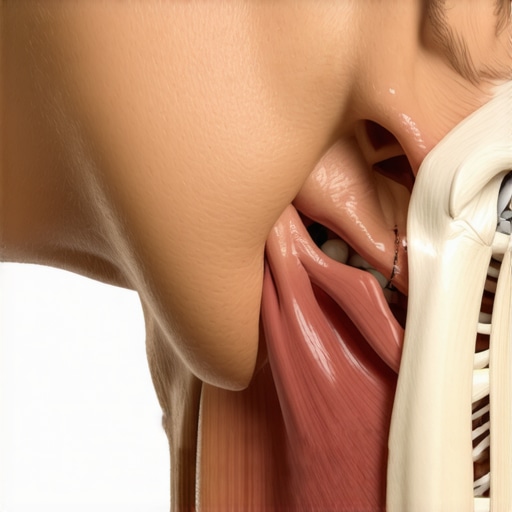
Why your vision problems might be causing your neck pain
I remember the moment vividly—a simple morning, reaching for my coffee mug, when a sharp twinge in my neck made me pause. It wasn’t just typical stiffness; it felt like my neck was battling me with every turn, and I couldn’t ignore the nagging suspicion that my vision issues might be playing a hidden role in my discomfort. That lightbulb moment changed everything. I started digging deeper, and what I found was both surprising and enlightening: your vision problems could be silently contributing to your neck pain.
Why Your Eyes Might Be Causing Neck Pain
Most of us think of neck pain as a result of poor posture, injury, or strain. But lately, I’ve come to realize that the eyes and neck are more connected than we give them credit for. When your vision isn’t sharp, your brain works overtime to compensate, often leading to awkward head positions and muscular tension. For example, if you’re constantly squinting or struggling to read signs, your head might tilt or turn repeatedly, stressing the cervical spine.
In fact, research shows that visual disturbances can lead to abnormal neck movements, which over time may cause chronic discomfort or even pain. It’s a loop—poor vision causes compensatory posture, which then strains your neck and shoulders. Recognizing this link was a turning point for me; once I addressed my eyesight, my neck pain significantly diminished. Interested in how your eyes might be tugging on your neck? Let’s explore some practical strategies to break this cycle.
Could your vision be behind your persistent neck discomfort?
Early on, I made the mistake of focusing solely on muscle exercises without examining other contributing factors. That oversight delayed my recovery, and I don’t want you to make the same mistake. Understanding the root cause, including vision issues, is crucial for effective relief. If you’re tired of temporary fixes, consider exploring expert solutions that address the bigger picture, like those found [here](https://quackersspinal.com/neck-pain-no-more-expert-chiropractic-solutions-that-work). The journey to pain-free movement often starts with a simple but crucial step—looking beyond your muscles.
Align Your Vision, Ease Your Neck
Start by assessing your eyesight—poor vision causes your brain to compensate with unnatural neck positions. Schedule an eye exam to identify refractive errors or issues. Corrective lenses or vision therapy can significantly reduce the need for head tilts or turns, decreasing muscular strain in your neck. I once ignored my worsening eyesight, thinking it was just fatigue, but after getting glasses, my neck tension lessened noticeably. Prioritize your visual health as a foundational step.
Strengthen Your Support System
Engage in targeted exercises that bolster the muscles supporting your neck and upper back. Focus on isometric holds and controlled movements that reinforce endurance without overstraining tissues. For example, a simple plank variation can improve core stability, reducing the load on your cervical spine during daily activities. I once incorporated a 2-minute neck resistance exercise into my routine, which helped stabilize my posture throughout the day. Consistency here pays off—better support equals less discomfort.
Implement Cervical Mobility Drills
Mobilize your neck with gentle, deliberate movements. Use slow rotations, flexion, and extension to maintain joint health. Think of your neck as a hinge on a delicate door—stiff hinges lead to squeaks; smooth movement prevents wear and tear. I used to ignore morning neck stretches until stiffness became unbearable, but now I dedicate five minutes to controlled movements, which keeps my neck loose and pain-free. Regular mobility work ensures your joints don’t lock up, allowing freer movement and less pain risk.
Optimize Your Posture with Strategic Adjustments
Evaluate your workspace setup—your screen should be at eye level, and your chair supports your natural curve. Imagine your spine as a stack of balanced blocks—if one block shifts, the entire structure wobbles. I adjusted my monitor height and, over a week, noticed a dramatic decrease in neck aches. Simple changes like using a standing desk or ergonomic cushions can prevent the forward head posture that strains your cervical muscles. Proper alignment is key to reducing chronic tension.
Master the Doorway Stretch for Rounded Shoulders
This stretch addresses tight chest muscles that pull the shoulders forward, contributing to neck strain. Stand in a doorway, place your arms at a 90-degree angle, and gently step forward to feel the stretch across your chest. It’s akin to opening a window—allowing fresh posture airflow. I include this daily, and my shoulders—and by extension, my neck—feel more relaxed. Keeping the chest open can immediately reduce neck compensations caused by tightness.
Address Eye Strain to Prevent Overcompensation
Eye strain from prolonged screen time can cause you to adopt poor postures unconsciously. Use the 20-20-20 rule: every 20 minutes, look at something 20 feet away for at least 20 seconds. Think of your eyes as the steering wheel—if it’s off, your head tilts or leans, leading to neck issues. I set reminders and invested in blue light filters, which made a noticeable difference in my neck’s comfort at the end of the day. Reducing visual fatigue diminishes the urge to compensate with awkward head positions.
Incorporate Breathing Techniques for Relaxation
Deep diaphragmatic breathing relaxes neck and shoulder muscles and calms your nervous system. Practice slow inhales through your nose, expand your belly, then exhale fully. Imagine releasing tension like steam escaping from a kettle. I began during stressful moments, and over time, my baseline tension decreased. Regular breathing exercises can lower muscle tightness, making the neck less prone to pain from overuse or stress.
Regular Movement Prevents Future Pain
Stay active throughout the day with micro-movements—stand, stretch, walk around. Your muscles are like a well-oiled machine—the more they move, the less they seize up. I incorporate short walks into my daily routine, which keeps my neck loose and reduces stiffness. Incorporating mobility practices from [Mobility Mastery](https://quackersspinal.com/mobility-mastery-expert-tips-for-back-pain-prevention-and-recovery) ensures your joints stay lubed and resilient, preventing that chronic neck ache from creeping back.
Many believe that chiropractic adjustments alone are the ultimate cure for neck and back pain, but this misconception overlooks the nuanced relationship between spinal health and overall movement. While chiropractic care is highly effective when combined with proper mobility practices, relying solely on quick fixes can lead to stagnation or even worsen symptoms. For instance, some practitioners promote adjustments without addressing underlying movement patterns or muscle imbalances, which are often the real culprits behind persistent pain. This oversight can trap patients into a cycle of temporary relief without long-term resolution.
A common myth is that pain is always a sign of structural damage that must be fixed immediately. However, pain often results from adaptive muscle tension or poor movement habits rather than actual injuries. Overemphasizing adjustments without integrating functional mobility work—like targeted stretching or strength training—can lead to rebound pain or new areas of strain. I recommend exploring comprehensive solutions, such as those highlighted in [Mobility Mastery](https://quackersspinal.com/mobility-mastery-expert-tips-for-back-pain-prevention-and-recovery), to empower your recovery process.
Beware of the trap where patients think injecting a quick fix will resolve chronic issues. This is particularly risky when it comes to neck pain, where nerve impingements can recur if cervical stability isn’t reinforced through proper movement and support. An advanced mistake is neglecting the mind-body connection, which plays a pivotal role in chronic discomfort. You might temporarily feel better, but without addressing emotional stressors or habitual postures, pain is likely to return.
Could aggressive chiropractic manipulations undermine your mobility progress?
Many practitioners focus on high-velocity adjustments that can sometimes cause microtrauma or decrease joint suppleness if overdone. The latest research indicates that gentle, controlled mobilizations combined with active patient engagement lead to more sustainable results. Elsewhere, experts suggest that a balanced approach integrating chiropractic care with expert-guided exercises yields the best long-term outcomes—this is especially true for complex cases involving neck and back pain [here](https://quackersspinal.com/chiropractic-secrets-to-boost-neck-comfort-and-function).
So, what’s the real secret to lasting relief? It’s recognizing that true healing involves restoring full mobility—not just alleviating symptoms temporarily. Active participation, consistent movement, and understanding the nuances of your unique spinal architecture are essential. If you’re still relying solely on passive treatments or quick adjustments, consider a more integrated approach for comprehensive wellness.
Have you ever fallen into this trap? Let me know in the comments. Remember, the road to pain-free movement is a journey, not a quick fix.Maintaining ongoing mobility and managing neck and back pain requires more than just sporadic exercises or adjustments; it demands the right tools and consistent routines. One of the most effective resources I use personally is a high-quality foam roller, specifically the deep-tissue model with a textured surface. I find it helps release muscular knots and improves my tissue elasticity, ultimately supporting long-term spinal health. Regular self-myofascial release with this roller, especially targeting areas like the thoracic spine and hips, has transformed my mobility and pain management habits. Additionally, incorporating a resistance band set into my routine allows me to perform targeted strengthening exercises that reinforce supporting muscles without risking overstretching. Resistance bands are versatile—they help activate stabilizers around the neck and upper back, which I believe is vital for preventing recurring discomfort. For example, I regularly perform band-assisted scapular retractions, which enhance posture and reduce strain during daily activities.
In terms of software or digital tools, I recommend using mobility tracking apps such as Habitica or custom spreadsheets to monitor daily exercises and posture checks. Tracking progress not only keeps you accountable but also visually demonstrates long-term improvements, motivating continued effort.
Looking ahead, I predict that integrating smart wearables equipped with gyroscopic sensors will become a standard part of mobility routines. Devices that provide real-time feedback on posture and movement quality can alert you before bad habits set in, making maintenance more proactive rather than reactive. An emerging trend is the use of biofeedback devices that stimulate muscle relaxation via gentle vibrations or electromagnetic pulses, enhancing recovery sessions and reducing muscle tension more efficiently.
How do I maintain my mobility and pain reduction tools over time? The key lies in regular inspection and cleaning—wiping down resistance bands to prevent degradation, replacing foam rollers when they become fully compressed, and updating apps or tracking methods to stay engaged. Moreover, I schedule quarterly reviews with a professional to reassess my routines and adjust tools as needed, ensuring consistency without stagnation.
If you want to optimize your results, start by incorporating a targeted foam rolling session into your daily routine. Use a textured deep-tissue foam roller on your upper back and neck areas to dissolve tension—this simple step can vastly improve your posture and reduce pain. For detailed guidance on effective self-care, I recommend exploring [here](https://quackersspinal.com/effective-neck-pain-management-a-step-by-step-guide). Remember, the secret to maintaining lasting mobility is consistency combined with the right equipment—invest wisely, and your body will thank you in the long run.
What I Wish I Knew Sooner About Neck Pain Recovery
- One of the toughest lessons I learned was that quick fixes often mask deeper issues. Addressing the root causes, like mobility and vision, transformed my healing process.
- My biggest lightbulb moment was realizing that patience and consistency in mobility exercises outlast temporary relief from adjustments alone.
- Understanding that my posture and vision are interconnected shifted my entire approach—it’s like discovering a hidden puzzle piece that completes the picture of relief.
Gear Up with My Personal Favorites for Lasting Mobility
- Deep-tissue foam rollers: I swear by textured foam rollers to release muscular knots. They help keep my back fluid and prevent stiffness, especially after long days.
- Resistance bands: These are fantastic for strengthening supporting muscles without overloading joints. I use them daily for scapular retractions and shoulder stability exercises.
- Mobility tracking apps: Monitoring progress with tools like Habitica keeps me accountable and motivated. Seeing improvements encourages a consistent routine.
- Educational resources such as Moblity Mastery: Trusted for comprehensive tips that bridge the gap between knowledge and action, empowering me to take control of my spinal health.
Your Next Step Toward Pain-Free Movement Starts Now
Remember, managing neck and back pain isn’t about quick fixes—it’s a holistic journey that combines awareness, proper support, and consistent effort. Embrace the process, and you’ll find yourself stronger and more resilient each day. Your body is capable of remarkable healing when given the right attention and care. Ready to take that first step? Let’s do it together and keep the momentum going!