The Scary Truth About Cracking Your Own Lower Back
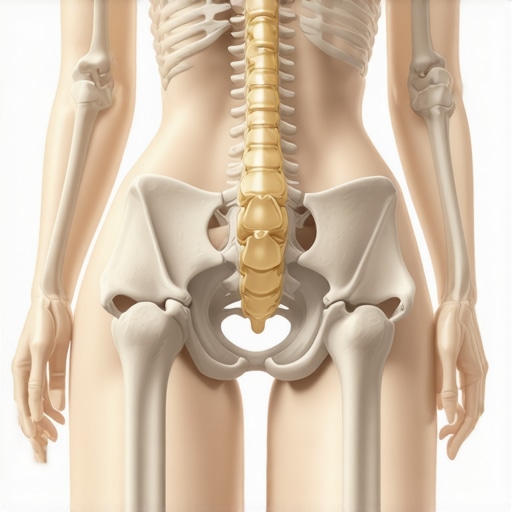
Have you ever been in a rush, feeling that irritating twinge in your lower back, and thought, “A quick crack couldn’t hurt”? I’ve been there too. One day, I found myself leaning against the doorframe, desperately trying to relieve a stubborn tightness in my back by giving it a little shove. That satisfying pop felt like instant relief, but beneath that fleeting comfort lay a sneaky danger I only learned later.
Why Self-Back Cracking Can Be Riskier Than You Think
For years, I trusted those quick tricks to release my lower back pain. It felt good in the moment, and I convinced myself it wasn’t a big deal—until one day, the relief was replaced by persistent soreness, and I started noticing more alarming signs like numbness and tingling that I initially brushed off. That was my wake-up call. The truth is, cracking your own back without proper knowledge can lead to misguided relief or worse, long-term damage. According to a study published by the American Chiropractic Association, many individuals attempt self-manipulation, which can sometimes cause injuries if done improperly.
Is Cracking Your Back Actually Worth the Hype?
Early in my journey, I made the mistake of thinking that every crack was a sign of healthy movement. I didn’t realize how easy it was to develop a dependency on those quick fixes instead of addressing the underlying issues. The key here is understanding when self-manipulation is harmless and when it’s better to seek professional guidance. If you’ve ever found yourself thinking, “Should I crack my own back now or wait until it gets worse?” you’re not alone. I’ve spoken with many who faced the same dilemma, and it’s crucial to differentiate between safe stretching and risky cracking.
If this sounds familiar, you might be wondering how to relieve your back pain without risking further injury. Don’t worry—I’ll share effective techniques that I’ve learned through personal experience and expert advice. But first, it’s useful to understand why such small habits can turn into significant health issues if unchecked. The next sections will cover proven methods to improve your mobility and reduce pain safely, so stay tuned! And if you’re ready to get real relief, consider exploring comprehensive guides or consulting a chiropractor—sometimes that’s the best step for lasting results, as discussed here.
Targeted Stretching Starts with Proper Alignment
Begin by positioning yourself in a comfortable space where your spine can be aligned naturally. Lie flat on your back and gently pull your knees toward your chest, holding for 20 seconds. This activates your lower back muscles and helps release tension. During my first attempt, I felt awkward wobbling, but after a few tries, the relief was noticeable. Consistency ensures your muscles adapt, reducing stiffness over time.
Focus on Breathing to Maximize Effectiveness
Deep diaphragmatic breathing during stretches enhances oxygen flow and relaxes tight tissues. In one session, I consciously slowed my inhale and exhale, which deepened the stretch and provided a calming effect. Integrate this into your routine for better results and less discomfort.
Utilize Self-Myofascial Release Techniques
Apply a foam roller or a tennis ball gently on sore areas like the upper back or hips. Position the ball between your back and a wall, then lean into it to target knots. In my experience, pressing into my upper trapezius with a tennis ball helped dissolve lingering tension, improving mobility. Move slowly to avoid bruising and always listen to your body’s signals.
Pinpoint Problem Areas with Wall Rolls
Stand with your back against a wall, arms raised to shoulder height. Roll your shoulders upward, backward, and downward in slow circles. This mobilizes your shoulder blades and upper spine, crucial for those who spend hours at a desk. I found that even 10 repetitions eased shoulder stiffness and freed my neck from daily strain.
Implement Corrective Postures During Daily Activities
Alter your sitting habits to maintain spinal neutrality. Use ergonomic chairs that support lumbar curves and avoid slouching. When I realized my forward head position was worsening, I raised my monitor and adjusted my chair height, which instantly reduced neck soreness. These small modifications prevent recurring issues and foster better alignment.
Learn the Pelvic Reset Technique
Lie on your back with knees bent. Gently tilt your pelvis by flattening your lower back into the floor, then tilt it in the opposite direction to arch slightly. Repeat slowly for 2 minutes. I incorporated this before bed, and it helped stabilize my pelvis, easing lower back discomfort. This simple move restores pelvic balance, a foundation for a healthy spine.
Incorporate Mobility-Boosting Movements During Breaks
Stand up every 30 minutes and perform gentle spinal twists or hip circles. These movements prevent stiffness from prolonged sitting. I set a timer and did quick rotations, which kept my back flexible throughout the day. Use routines like this to maintain mobility, especially if your job involves static postures.
Practice Dynamic Stretches to Keep Muscles Engaged
Combine arm swings with torso rotations or leg swings while standing. These dynamic stretches activate multiple muscle groups simultaneously, increasing circulation and flexibility. I noticed a significant decrease in mid-back tension after implementing 5-minute active routines in my daily schedule.
By integrating these focused steps, you can actively manage and reduce back and neck pain without risking injury. For more insights on safe, effective techniques, explore this comprehensive guide here. Remember, consistency and proper form are key to lasting relief.
Many believe that cracking their back or neck is a quick fix to relieve pain, but beneath this common misconception lies a nuanced reality often missed by the general public. The myth that all spinal manipulation is safe and beneficial ignores the intricacies of individual anatomy and the importance of tailored chiropractic care. In reality, improper self-manipulation can lead to overstretching ligaments, causing micro-tears or even joint instability, which may worsen your condition over time. A study published in the Journal of Manipulative and Physiological Therapeutics emphasizes that professional assessment is crucial to identify the root cause of pain and determine appropriate treatment strategies.
One overlooked aspect is the assumption that frequent cracking indicates a persistent problem needing constant relief. However, habitual cracking can desensitize joint receptors, making natural movement feel difficult and contributing to a cycle of dependency. This is where proper mobility exercises, guided by an experienced chiropractor, can retrain your body’s proprioception and restore healthy joint function. To learn effective techniques that promote long-term relief, visit [here](https://quackersspinal.com/mastering-back-neck-pain-relief-tips-from-the-pros-300).
A common trap many fall into is trusting temporary relief over comprehensive care. While instant pops may feel satisfying, they often mask deeper issues, such as muscular imbalance or postural dysfunction. Focusing solely on symptom suppression without addressing underlying causes can lead to chronic pain or even nerve impingement. For example, neglecting neck posture during long hours at a desk can result in nerve compression, which requires specific chiropractic interventions that extend beyond cracking alone.
In terms of mobility, many think stretching alone is enough to resolve stiffness. Yet, without considering joint mobility and muscle coordination, such efforts can be ineffective or counterproductive. Targeted mobilization techniques, like those discussed [here](https://quackersspinal.com/boost-mobility-ease-pain-chiropractic-techniques-unveiled), can unlock restricted joints and improve overall movement patterns, reducing strain on the spine.
Is there an advanced question you’ve had about spinal health? Consider this: How do subtle changes in joint biomechanics influence nerve signals and overall mobility? Research indicates that even minor misalignments can alter neurophysiological feedback, leading to compensatory movement patterns that exacerbate pain or stiffness. Consulting with a specialist who understands these complex interactions ensures a more effective, personalized approach to recovery.
Remember, self-diagnosis and self-treatment carry risks. Prioritize professional guidance to avoid pitfalls that could delay your recovery. For an in-depth understanding and personalized strategies, explore this [comprehensive guide](https://quackersspinal.com/restore-your-back-mobility-proven-chiropractic-strategies). Have you ever fallen into this trap? Let me know in the comments.
Maintaining your spinal health over the long term requires not just consistency but also the right tools. From specialized equipment to expert-recommended software, the right setup can make all the difference in ensuring that your progress endures and scales effectively. Personally, I rely on a combination of targeted mobility devices and digital trackers to stay on top of my back care routine and monitor improvements.
Why I Use a Foam Roller for My Daily Routine
The foam roller has become a staple in my toolkit because it aids in self-myofascial release, helping to dissolve myofascial adhesions that build up from sedentary habits or improper movement patterns. I prefer a firm, high-density foam roller because it offers the necessary pressure to penetrate deeply into tissues without losing shape over time. This allows for effective release, which, according to physical therapy research, can improve mobility and reduce pain naturally.
The Power of Posture Monitors
In addition, I use a smart posture sensor that connects via Bluetooth to my phone. It gently vibrates when I slouch or deviate from proper alignment, providing real-time feedback. This technological aid has helped me develop awareness, making proper posture an effortless habit. As suggested in top chiropractic practices, integrating such tools helps sustain long-term spinal health and prevents recurring issues.
Predicting the Future of Mobility Tools
Looking ahead, I believe the integration of AI-driven biofeedback devices will revolutionize our approach to back maintenance. These systems could analyze movement patterns more accurately and suggest personalized adjustments, making proactive care accessible to everyone. Companies are already exploring wearable tech that automatically flags poor posture and triggers tailored exercises, which could become mainstream within the next few years.
How do I maintain long-term mobility and pain relief?
Adopting a routine that combines manual tools like foam rollers with smart tech for real-time feedback is key. Remember, consistency is vital, but so is adapting your approach as your mobility improves. Continually reassessing your toolset ensures your spine remains resilient and functional. For personalized guidance on strengthening your back and optimizing your tools, don’t hesitate to reach out.
To truly unlock the benefits of these tools, try incorporating a daily foam rolling session combined with posture monitoring during work hours. It’s a simple yet effective step towards building a resilient spine that can handle the demands of modern life.
Throughout my journey with spinal health, I’ve uncovered insights that transformed not just my approach but my entire outlook on pain management. One of the most profound lessons was realizing how intertwined our daily habits are with our long-term mobility. Small adjustments in posture, consistent use of targeted tools, and listening to my body’s signals made a world of difference. I discovered that patience and persistence are crucial because meaningful change rarely happens overnight—it’s a gradual process built on mindful movement and informed choices.
Lessons You Won’t Find in the Book: My Personal Reveals
- The Myth of Instant Relief: Relying solely on quick fixes like cracking your back can delay true healing. True mobility comes from understanding and treating underlying issues, not just masking symptoms.
- The Power of Consistency: Even 5 minutes daily of mindful stretching and mobility exercises outperforms sporadic sessions, reinforcing the importance of routine for lasting results.
- Technology as an Ally: Integrating smart posture monitors and mobility devices has elevated my awareness and kept me accountable, showing that the right tools amplify the benefits of consistent effort.
- Listening to Your Body: Ignoring subtle signs of discomfort can lead to bigger problems. Learning to differentiate between safe discomfort and pain that signals trouble is a skill worth cultivating.
Tools That Changed My Perspective
- Proven chiropractic strategies have taught me that personalized assessments make all the difference in targeting specific issues effectively.
- Expert-led guides provided structured routines that built confidence and ensured I didn’t miss vital steps in my recovery journey.
- Mobility tools like foam rollers and posture sensors became my everyday companions, empowering me to take control of my spine health.
This Is Your Moment to Embrace Change
Every step you take today toward understanding and caring for your back and neck is a investment in your future well-being. Remember, your spine is the foundation of your movement and vitality—treat it with the attention it deserves. Whether you’re just starting or are well on your way, the key is to stay curious, committed, and compassionate with yourself. For tailored advice, don’t hesitate to reach out here. Your journey to lasting mobility begins now—trust in the process and embrace the new possibilities ahead.