Why Your Core Strength Routine Might Be Hurting Your Back
I remember the exact moment I realized my core workouts might be doing more harm than good. I was halfway through a relentless set of planks, feeling proud of finally building that six-pack. Suddenly, a sharp, persistent ache shot through my lower back, and I had to sit down, bewildered. After months of gym hours, shouldn’t I be stronger—and pain-free?
This lightbulb moment prompted me to question everything I thought I knew about core strength training. Turns out, many of us fall into a trap: believing that more is better, or that pushing through discomfort is a sign of progress. But what if, instead of helping, your routine is secretly hurting your back? If you’ve been struggling with persistent aches despite sticking to your core routine, you’re not alone—and today, I promise we’ll uncover the common mistakes and what to do about them.
Why Your Core Routine Might Be Causing More Harm Than Good
Our core is often seen as the foundation for back health, stability, and overall strength. It’s natural to assume that dedicating time to core exercises will safeguard us from injuries. However, the reality isn’t so straightforward. Poor execution, misguided exercises, or neglecting individual differences turn that well-meaning routine into a potential back troll.
One common mistake I made early on was focusing solely on the front-facing muscles—think abs—while ignoring the deep stabilizers that support the spine. Neglecting these vital muscles can leave your back vulnerable, especially if you push through pain or perform exercises incorrectly. For example, traditional sit-ups or crunches can sometimes increase pressure on the lumbar discs if not done with proper form or if your muscles aren’t prepared. Studies show that improper core exercises can worsen existing back issues rather than resolve them (source).
What’s worse, many routines emphasize repeated repetitions that fatigue your muscles without addressing postural imbalances or movement patterns. Over time, this can lead to compensations that strain your back, rather than stabilize it. So, how do you tell if your core workout is hurting more than helping? Keep reading, because I’ll help you identify the signs and rework your approach for lasting relief and resilience.
Is Your Routine Really Worth the Hype?
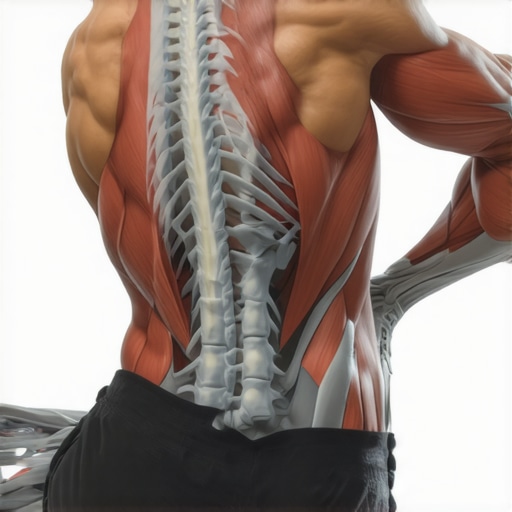
For years, I believed more core exercises meant a stronger back. But I learned that quality trumps quantity, especially when it comes to spinal health. Early in my journey, I ignored the importance of proper technique and neglected to include exercises that strengthen the deep stabilizers like the transverse abdominis and multifidus. It’s common to overlook these muscles, but they are crucial for preventing injuries and ensuring a supportive foundation. If you’re tired of feeling worse after workouts or experiencing lingering pain, it might be time to reevaluate your strategy. You can discover effective techniques that complement chiropractic care and realign your back naturally, which I’ve found to make a world of difference. For more insights on restoring mobility and reducing back pain, check out this resource.
So, have you faced ongoing back soreness despite diligently performing core exercises? If yes, you’re in good company—and it’s precisely why understanding the nuanced approach is so essential. Up next, I’ll share practical, proven methods to align your routine with your body’s needs and avoid self-sabotage.
,
Focus on Proper Form and Technique
The first step is to master correct execution of each exercise. I recall a Saturday morning when I attempted a plank variation without paying attention to my pelvis tilt. My lower back arched excessively, leading to discomfort. I paused, re-evaluated my position, and engaged my transverse abdominis by gently pulling in my belly button—think of tightening a corset around your waist. This micro-adjustment instantly reduced strain. To do this consistently, use a mirror or record yourself, ensuring your hips stay aligned and your core remains engaged during each move. Improving your form reduces undue pressure on your lumbar discs and enhances muscle activation.
Strengthen Deep Stabilizer Muscles
Deep core muscles like the transverse abdominis and multifidus act as the body’s internal braces, akin to the steel beams in a building’s framework. During my effort to rebuild core strength, I neglected these muscles, focusing only on visible abs. By incorporating exercises like abdominal hollowing and bird-dogs, I activated these stabilizers effectively. Start by lying on your stomach, pulling your belly button toward your spine without holding your breath, then gradually progress to standing and functional movements. This approach fortifies your spine’s natural support system, reducing reliance on superficial muscles that can cause imbalance and pain.
Implement Controlled, Quality Movements
Instead of doing endless repetitions, prioritize slow, deliberate execution. I used to hustle through crunches, thinking fast reps would build endurance—until I noticed more discomfort. Now, I perform each movement with focus on precision: lower back stays flat, movements are controlled over 3-5 seconds, and I avoid holding my breath. This slow-paced method minimizes joint stress and promotes proper muscle recruitment. It’s especially crucial during exercises that involve spinal flexion or rotation, to prevent overloading the discs or facets. Remember, slow and steady creates a stronger, more resilient core rather than quick fatigue and injury.
Modify Exercises to Suit Your Body
Not every standard core move is suitable for everyone. I once strained my back doing a traditional sit-up, but switching to a dead bug exercise with limbs moving opposite each other reduced pain and improved stability. Pay attention to your body’s signals: if a movement causes discomfort or pain, seek alternatives. For example, replace crunches with planks or side planks—these stabilize the obliques and transverse abdominis without compressing your spine. Tailor your routine, and consider consulting a professional for personalized adjustments. This ensures you build strength without inadvertently triggering back issues.
Integrate Mobility and Posture Checks
Static exercises alone aren’t enough; incorporate mobility drills and postural awareness into your routine. I found that tight hip flexors and rounded shoulders contribute to lower back strain. By doing hip openers and thoracic spine rotations regularly, I improved my overall movement quality. Use quick spinal mobility tests, like the wall slide, to identify stiffness—if you notice limited movement, address it promptly. Combining mobility work with core stability training creates a balanced approach—much like tuning the engine in a car to work smoothly under load. For targeted strategies, explore resources like this guide.
Prioritize Rest and Recovery
Overtraining can sabotage your progress. I learned this the hard way after repeatedly pushing through fatigue, which led to setbacks. Ensure you include rest days and incorporate gentle stretching or foam rolling to release muscle tightness. Listen to your body’s signals: persistent pain is a warning sign, not a badge of honor. Proper recovery allows damaged tissues to heal and muscles to regain strength, preventing chronic pain conditions. When in doubt, consult a chiropractor or physical therapist for assessment and tailored advice, as detailed in this resource.
Track Your Progress and Adjust Accordingly
Keep a journal of your exercises, noting any changes in pain or mobility. I started recording my routines and observed that certain movements triggered discomfort after a few sessions. This insight prompted me to modify my approach—reducing repetitions, focusing more on form, and adding mobility drills. Consistent monitoring helps prevent regressions and allows for timely adjustments. Remember, building resilience is a dynamic process—what works today might need tweaking tomorrow. Regularly revisiting your technique and routines ensures sustainable progress without back setbacks.
Many believe that persistent back and neck pain are straightforward issues solvable simply through more stretching or aggressive chiropractic adjustments. However, this mindset often misses the nuanced realities of spinal health. One common myth is that all pain signals a need for immediate intervention or that pain is always a sign of damage. In truth, pain can be a protective response, signaling that your body needs a different approach, such as restoring proper mobility or addressing underlying movement patterns. Relying solely on symptom suppression may lead to ignoring root causes, causing long-term issues.
A significant ‘oops’ trap is assuming that quick fixes like nightly massages or heavy-handed adjustments will permanently eliminate pain. While temporary relief is helpful, neglecting lifestyle factors—like posture, mobility deficiencies, or movement habits—can lead to recurrent problems. For instance, over-reliance on passive treatments without active engagement in corrective exercises often results in the same issues resurfacing. Experts stress the importance of addressing mobility restrictions through targeted, functional movements instead of passive therapies alone (see here).
What advanced strategies can truly prevent recurrence of back and neck pain?
Building resilience requires a sophisticated understanding of your body’s mechanics. Incorporating mobility drills that improve joint range, strengthening deep stabilizers like the transverse abdominis, and maintaining posture awareness are key. It’s also vital to recognize that many people overlook subtle movement compensations—like habitual pelvis tilting or neck misalignment—that over time cause pain. Correcting these requires a combination of precise assessment and individualized exercises rather than generic routines. According to recent studies, interventions targeting specific mobility restrictions yield superior long-term outcomes (learn more here).
So, have you ever fallen into this trap of oversimplifying your pain management? Let me know in the comments. Remember, understanding these hidden nuances empowers you to take smarter, more effective steps towards lasting relief and full mobility.
,
Maintaining long-term back and neck health requires more than just a good routine; it demands the right tools and a proactive approach. I personally swear by a few key pieces of equipment and methods that help me track progress, ensure proper technique, and address mobility issues effectively.
One indispensable tool I use is a high-quality mirror or smartphone tripod to record myself during exercises. Visual feedback is critical—seeing your form helps catch misalignments that could lead to pain. This simple habit has saved me from numerous setbacks, enabling precise adjustments and reinforcing correct movement patterns. Incorporating real-time feedback is especially essential when practicing deep stabilizer exercises like bird-dogs or transverse abdominis activation techniques, which are often misunderstood or performed incorrectly.
Another highly recommended device is a foam roller, specifically designed for myofascial release. Regular use of a dense foam roller or massage ball helps release tension in overactive muscles that often pull the spine out of alignment. I focus on areas like the upper back, hips, and shoulders—tightness here can cascade down to cause neck or low back discomfort. Using these tools consistently integrates well with chiropractic care, maximizing mobility gains (see here).
Software-wise, I recommend a movement tracking app such as PhysioTec or similar platforms that log pain levels, exercise adherence, and mobility improvements. I use this to monitor how minor tweaks influence my condition over weeks. Technology like biofeedback devices can even provide live data on muscle activation levels, helping refine form further. As wearable tech advances, I predict a future where personalized, real-time posture correction becomes standard—making injury prevention more accessible.
For mobility and posture, a simple yet powerful addition is a portable lumbar support cushion. I keep one in my car and at my desk, maintaining lumbar curve even during long hours. Proper support promotes spinal alignment and can prevent aggravations caused by poor ergonomic habits. Pairing this with mobility drills like the 5-minute morning routine improves fluidity of movement, reducing stiffness and pain.
How do I maintain these tools and techniques over time?
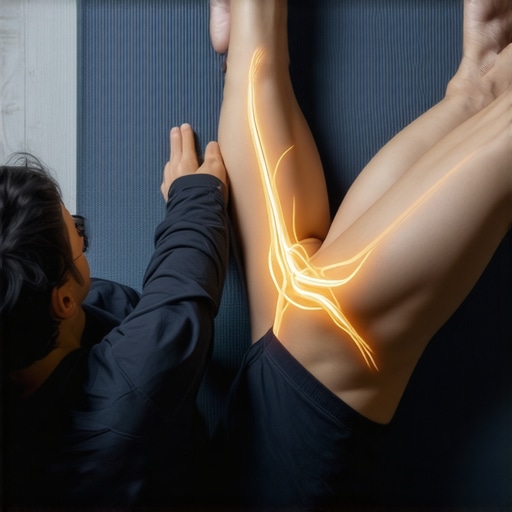
Consistency is the secret. Regularly scheduled self-assessment sessions, using visual feedback tools and mobility tests, help ensure you’re progressing and prevent regressions. I also stay updated with new methods by following credible sources, like the experts behind chiropractic strategies for mobility. Additionally, integrating these tools into your daily routine—say, a quick foam rolling session after work—cements good habits. Remember, the goal isn’t perfection but persistence; small, consistent efforts pay off exponentially in the long run. Consider trying advanced techniques like nerve flossing exercises, which have shown promising results in reducing persistent discomfort (more here)—a simple add-on that could make a significant difference.
Ultimately, the landscape of back pain management is shifting towards personalized, tech-enabled approaches. As research in biomechanics and neuroplasticity progresses, tools that precisely target individual issues will become more commonplace. Staying engaged with credible resources and experimenting cautiously with advanced methods can empower you to maintain and even improve your spinal health over the years. Don’t hesitate to implement a mobility app or a foam roller today as part of your ongoing strategy—these small steps can lead to lasting relief and improved quality of life.
Lessons I Wish I Learned Sooner About Back Health
- One of the most striking realizations was that a common focus on superficial core exercises often overlooks the deep stabilizers essential for spine support. Recognizing this shifted my entire approach from pushing harder to training smarter.
- I discovered that consistent proper form is far more impactful than volume. A single poorly executed move can undo weeks of progress, so investing time in technique pays dividends in relief and strength.
- It took me years to understand that pain is a messenger, not the enemy. Listening to subtle signals and adjusting routines accordingly prevents setbacks and fosters long-term resilience.
- Learning to balance mobility work with strengthening created a synergy that transformed my recovery. Mobility drills Enhanced overall movement, reducing strain and enhancing stability.
- Finally, integrating daily habits like mindful posture checks and strategic use of tools like foam rollers made the difference between temporary relief and sustained well-being.
My Essential Toolkit for Lasting Back and Neck Relief
- Mirror or Smartphone Tripod: Visual feedback helps correct form instantly, ensuring exercises are effective and safe. I trust this constantly because seeing real-time progress keeps me motivated.
- High-Quality Foam Roller: Regular myofascial release releases tension, especially in overworked muscles. It’s a game-changer for maintaining mobility without costly therapies.
- Biofeedback Devices: Wearable muscle activation monitors fine-tune my engagement during stabilization exercises, preventing under- or over-activation. Their insights are invaluable for personalized progress.
- Portable Lumbar Support: Whether at the desk or in the car, maintaining proper lumbar curve supports spinal health and prevents strain during daily activities.
- Mobility Apps: Tracking my exercises and pain levels helps identify effective strategies and avoid regressions, making my routine data-driven and adaptive.
Take Charge and Reclaim Your Comfort
Your back and neck health is within your grasp—every small action can lead to profound improvements. By embracing precise techniques, smart tools, and mindful habits, you’re paving your path to lasting mobility. Your journey towards a pain-free life begins today—are you ready to make that first confident step? Let’s hear your thoughts or experiences below. Have you found a routine that truly works for you?