The couch stretch that fixes stiff hips and back pressure
I vividly remember the moment I realized my hips and lower back had become my silent tormentors. After a long day at my desk, every step felt like a reminder of neglected mobility—stiff hips that refused to loosen, and a nagging pressure that made standing uncomfortable. It was like carrying a heavy weight in my pelvis, and no amount of stretching or quick fixes seemed to help. That lightbulb moment hit me hard: I needed a real solution, not just temporary relief.
One evening, after enduring another aching workout session, I stumbled upon the couch stretch—a simple yet surprisingly effective movement that promised to address my stubborn hip tightness and back discomfort. Intrigued, I dove into research, and what I discovered was eye-opening. This stretch isn’t just a gentle stretch; it’s a powerful tool to restore hip mobility, improve posture, and reduce back pressure. Best of all, it’s something I could do at home, without fancy equipment or hours in the gym.
But here’s the thing—many people, including myself in the beginning, hesitate because they think, “Is this really going to make a difference?” or, worse, “Is it safe?” I’ll be honest: early on, I made the mistake of rushing into the stretch without proper guidance, which actually worsened my discomfort. That experience taught me that technique matters and that the right approach can turn a seemingly simple move into a game-changer.
Today, I want to share how the couch stretch can help you regain mobility and say goodbye to those nagging hip and back issues. We’ll explore why this move works, how to do it correctly, and what pitfalls to avoid. If you’ve ever felt that your hips are too tight to enjoy a simple walk or feared that back pain would become a permanent fixture, then this post is for you.
So, are you tired of feeling stiff every morning or struggling to get comfortable in your own body? Let’s dive into the *why* behind this move and how it can truly transform your mobility and comfort levels.
Why Your Hip Stiffness and Back Pain Might Be Holding You Back
Adopt the Right Starting Position
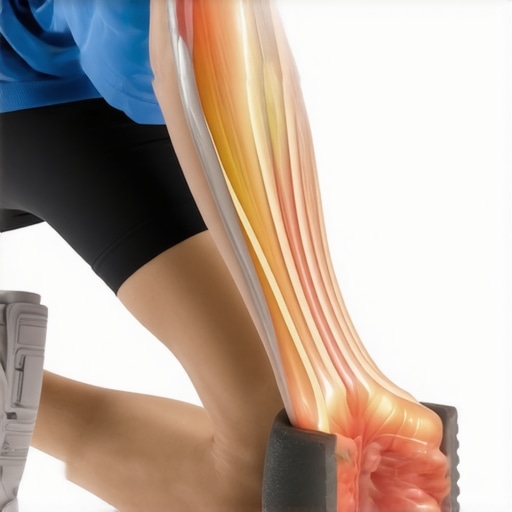
Begin by kneeling on a comfortable surface, such as a yoga mat, with your right knee grounded and your left foot placed in front, forming a 90-degree angle at your knee. For my first attempt, I positioned myself in a cluttered corner of my room, which made balancing challenging, but persistence paid off. Ensure your hips are directly over your knee to maximize the stretch without straining your lower back.
Align Your Upper Body Properly
Keep your torso upright and engage your core muscles to prevent overarching or collapsing your lower back. I found that leaning slightly forward maintained better alignment, reducing discomfort. Imagine your spine as a straight tube—any arching or hunching diminishes the stretch’s effectiveness and could cause injury. To verify, place a small mirror nearby to check your back’s straightness periodically.
Execute the Hip Lunge Gently
Gradually shift your weight forward into your hips while maintaining alignment, feeling a gentle stretch through your hip flexors. Reach back with your right hand to grasp your ankle or foot, pulling it closer to your body. In my case, I initially pulled too aggressively, which led to soreness; slow, controlled movements are key.
Use Your Arms for Balance
Place your hands on your front thigh or floor to stabilize yourself. Personally, I placed my hands on my thighs initially, which helped maintain equilibrium without over-stretching. As you become more flexible, you can explore placing your hands on the ground or lifting them overhead for added stretch.
Hold and Breathe Consistently
Hold this position for 30 seconds to 1 minute, breathing deeply and evenly. Deep breathing relaxes your muscles, facilitating a deeper stretch. During my first session, I noticed that shallow breathing limited my comfort, so consciously focusing on diaphragmatic breathing made a significant difference.
Switch Sides Carefully
After completing the hold on one side, gently release and switch to the opposite knee. Remember, symmetrical practice is crucial for balanced mobility. Previously, I rushed through the switch, causing unnecessary tension—taking a moment to reset ensures better results.
Integrate Progressively into Daily Routine
Start with two sets per side, gradually increasing as your flexibility improves. Consistency is vital; I incorporated this stretch into my evening routine, which steadily alleviated my hip tightness over weeks. Patience and regular practice yield the best long-term benefits.
Be Mindful of Potential Pitfalls
Avoid pushing into pain—discomfort is normal, but sharp pain signals damage. I learned this early when forcing my foot closer, resulting in a minor strain. Focus on gentle, controlled movements, and consider consulting resources like expert advice to refine your technique.
 While many believe that pain always signals damage needing surgery or pills, this oversimplification hides critical nuances that can lead to ineffective or even harmful treatments. One common misconception is that all back and neck pain stems from structural injuries; in reality, factors like muscle imbalances, nervous system sensitivity, and behavioral patterns often play a pivotal role. For example, some patients with chronic pain have shown significant improvement through targeted chiropractic adjustments that address motor control deficits, not just anatomy, as highlighted in recent research. A noteworthy pitfall is confusing pain relief with true healing—temporary symptom suppression may mask underlying issues, prompting recurrences. Be wary of quick fixes that promise instant results; instead, consider comprehensive approaches like functional mobility assessments and neuromuscular retraining.
Why do some patients experience persistent pain despite multiple treatments?
This question delves into the importance of understanding individual pain drivers—be it central sensitization, neuroplasticity, or subconscious movement patterns. For instance, expert insights suggest that addressing the nervous system’s role in pain perception can reduce reliance on invasive procedures, as discussed in specialized content on wellness-guided pain management. Recognizing these nuances is crucial to avoid common pitfalls and maximize recovery potential. Remember, pain is often more complex than what conventional wisdom implies. Have you ever fallen into this trap? Let me know in the comments.Maintaining the progress you make with mobility and pain relief requires reliable tools and consistent routines. Personally, I rely heavily on foam rollers and massage balls to release muscle tightness that can quickly return if neglected. The foam roller, especially those with a firm density and a textured surface, helps target deep fascia and muscle knots in your back and hips—something I incorporate into my daily routine to prevent stiffness from creeping back. Additionally, I use a tennis ball for pinpoint pressure during self-massage, which complements chiropractic adjustments by addressing stubborn trigger points that resist larger tools.
Alongside physical tools, I recommend specific software and apps that keep your mobility routine engaging and track your progress. Interval timers designed for mobility exercises help me stay disciplined, especially when I get caught up in daily busyness. Consistently scheduling short, focused sessions—just 5 to 10 minutes—can dramatically reinforce your improvements over time. For instance, apps like ‘MobilityWod’ or even customized timers from your smartphone make it easy to stay committed and monitor your gains.
In terms of chiropractic care, I advocate for integrating these manual therapies with home-based exercises and tools. Regular visits to a chiropractor seasoned in functional mobility can make a substantial difference, especially when they help tailor a long-term strategy for your unique needs. As shared in expert discussions, such as those found on chiropractic care resources, combining professional adjustments with self-maintenance routines yields more sustainable results.
Looking ahead, the trend is leaning toward personalized, technology-assisted protocols—think smart sensors that give real-time feedback on your posture and movement quality. While these innovations are promising, the foundation remains simple: consistency with effective tools and techniques is key to long-term success.
How do I maintain back and neck health over time?
One effective strategy is making a habit of periodically reassessing your mobility and adjusting your routines accordingly. Incorporate the use of a foam roller or massage ball into your weekly schedule to prevent muscles from reverting to tightness. Pair these practices with scheduled chiropractic sessions, which can help reset your spine as needed, and ensure your habits stay aligned with your evolving needs. Remember, ongoing maintenance prevents setbacks, much like regular oil changes keep your vehicle running smoothly. If you want to elevate your routine further, try integrating the advanced mobility techniques I mention in the article, which can unlock even greater long-term benefits and comfort.Throughout my journey recovering from stubborn hip tightness and back discomfort, I learned invaluable lessons that go beyond simple stretches or quick fixes. One of the most profound insights was realizing how deeply ingrained misconceptions about pain and mobility can hinder progress. For instance, I once believed that intense stretching or immediately seeking expensive treatments was the only way forward. However, I discovered that patience, technique, and understanding your body’s unique signals are actually the real game-changers. Another lesson was the importance of listening to pain without fear—differentiating between discomfort that signals growth and pain that warns of injury. This awareness helped me develop a more mindful approach to mobility, emphasizing consistency over intensity. Lastly, I realized that integrating small daily habits—like correct posture, gentle self-massage, and mindful breathing—creates compounding benefits that transform your mobility over time. Embracing these lessons has empowered me to stay committed and hopeful, knowing that sustainable change often begins with small, informed steps.