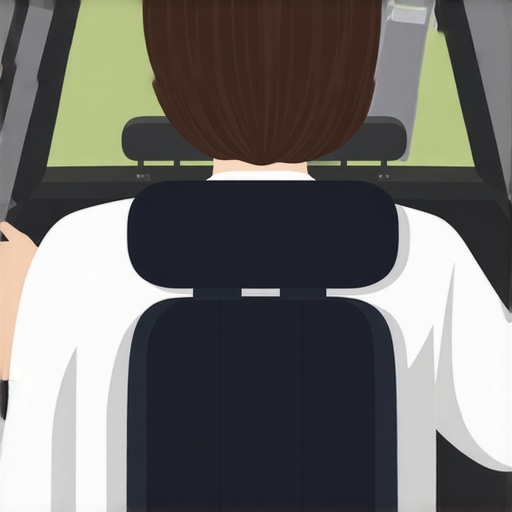
7 Tactics to Fix Your Middle Back Pain While Driving
One day, I caught myself slumping deeper into my car seat during a long drive. Suddenly, a sharp, persistent ache shot through my mid-back—like a stubborn echo I couldn’t shake. It was a lightbulb moment that made me realize how common this discomfort is, especially for those who spend hours behind the wheel. If you’re anything like me, you probably thought back pain while driving was just part of the deal. But I found out there’s so much you can do to fix it—yes, even from the driver’s seat.
In this post, I’ll share with you seven practical tactics that transformed my driving experience and helped banish that nagging mid-back pain. Whether you’re on a quick commute or embarking on a cross-country road trip, these methods are designed to keep you comfortable and pain-free.
Why Your Back Cracks Under Pressure—And Why It Matters
Driving places your spine under constant strain, especially if your posture isn’t optimized. Poor positioning, prolonged sitting, and lack of movement all combine to tighten muscles and compress discs, leading to that dull or sharp pain that ruins your journey. The good news? You can significantly reduce this discomfort with targeted fixes. In fact, maintaining good ergonomics while driving has been shown to improve posture and decrease musculoskeletal pain, according to wellness experts.
One common mistake I made early on was neglecting my seat setup. I figured ‘good enough’ was fine, but that oversight kept my back tense and aching at the end of each trip. Learning to adjust my seat, lumbar support, and taking mini breaks has made a world of difference.
If you’ve ever faced this issue—whether it’s a throbbing middle back or a burning sensation after a long drive—you’re definitely not alone. Let’s explore how you can turn your car into a pain-free zone with some easy, effective tactics.
Is It Really Possible to Fix Back Pain While Driving?
I get it—when you’re behind the wheel, it can feel like your options are limited. You might think, “This pain is just part of driving.” Honestly, I believed the same until I discovered that small adjustments and mindful habits can make a huge impact. Early in my journey, I made the mistake of ignoring signs of tension, thinking stretching would be futile on the road. Instead, I learned simple techniques that felt seamless—like adjusting my seat for better support or doing quick shoulder rolls. These small changes built my confidence that relief was within reach. Want to learn how to make these changes too? Keep reading, because I’ll guide you through each step to ensure your next drive is comfortable and pain-free.
Adjust Your Seat for Optimal Support
Start by positioning your seat so that your hips are level with your knees. Imagine your pelvis as a foundation; if it’s tilted forward or backward, it drags your entire spine into misalignment. I once spent an hour trying different seat heights until I realized that a slight recline support prevents my mid-back from slumping. Use lumbar support or roll up a towel behind your lower back to maintain its natural curve. This simple tweak can immediately reduce pressure on your discs and muscles.
Set the Right Steering Wheel and Pedal Positions
Think of your arms as the guiding reins—if they’re stretched too far, your shoulders hunch; too close, your neck tightens. Adjust your steering wheel so your elbows are slightly bent when holding it, and position pedals so your knees stay comfortably below hips. I remember adjusting my seat and feeling a huge relief during a long trip; it’s akin to balancing a scale—each component affects your overall spinal health.
Implement Micro-Movements During Stops
Just as a car needs small tune-ups, your body benefits from tiny movements. Every 15-20 minutes, do a quick stretch or rotate your shoulders and neck—these micro-movements prevent muscles from tightening and discs from compressing. I once shook out my arms during a 2-hour drive; the relief was immediate, and it reminded me of how regular ‘tuning’ prevents breakdowns.
Practice Deep Breathing to Relieve Tension
Deep diaphragmatic breathing engages your core, acting like a built-in suspension system. When I started consciously inhaling deeply through my belly during drives, I noticed my mid-back loosen up, reducing that persistent knot. Think of your breathing as a gentle wave—calming tense muscles and improving circulation, which supports spinal health.
Incorporate Small Back-Strengthening Exercises
Even while seated, you can activate your core to support your back. Try gentle pelvic tilts or clamshell movements, which strengthen the muscles supporting your spine. I added these exercises during breaks and found that my endurance and comfort improved significantly. It’s like reinforcing your vehicle’s frame—stronger muscles mean less strain on your bones and discs.
Utilize Proper Posture Habits
Maintain a neutral spine by aligning your ears over shoulders and hips over knees. Avoid slouching or leaning too far forward—think of your spine as a string of pearls, each aligned. I caught myself leaning into the steering wheel, which caused discomfort. Adjusting my headrest and sitting upright transformed my experience, similar to how a well-aligned chassis enhances a car’s performance.
Schedule Regular Breaks and Movement
Don’t let momentum turn into stiffness. Aim to take a 5-minute break every 2 hours, walking and stretching. During one trip, I ignored this advice, which resulted in a stiff mid-back that stubbornly lingered. By breaking the monotony and moving freely, you mimic routine maintenance—essential for lasting comfort and mobility, as emphasized by many wellness experts.
While many believe that immediate relief is the goal, understanding the nuanced factors behind chronic back and neck pain can transform your approach to recovery. A common misconception is that all pain stems solely from structural issues requiring aggressive interventions like surgery or frequent chiropractic adjustments. However, recent studies indicate that pain often involves complex neuro-muscular and biomechanical factors, including the role of fascia tension and neurological hypersensitivity—elements that traditional treatments may overlook. For example, Dr. Stuart McGill emphasizes the importance of addressing load management and motor control patterns to achieve sustainable relief, rather than solely focusing on symptomatic pain points (source: [Mastering Back and Neck Pain](https://quackersspinal.com/mastering-back-neck-pain-relief-tips-from-the-pros-300)).Maintaining your spinal health over the long term requires more than just good habits; it benefits greatly from using specialized tools and technologies that support your efforts. One device I personally rely on is a high-quality ergonomic lumbar support cushion, specifically designed to contour to my lower back during long hours at my desk or in the car. Unlike generic cushions, my preferred model features adjustable firmness and memory foam layers, which ensure personalized support and comfort, reducing the risk of chronic discomfort. Regular use of such cushions helps maintain proper lumbar curvature and minimizes strain, aligning with recommendations from wellness experts. An appropriately positioned footrest enhances this support by promoting better pelvis positioning, which is crucial for spinal integrity. Beyond physical supports, digital tools like posture reminder apps have become invaluable. I use a smart app that detects my sitting posture via camera or sensor input and gently alerts me when I slouch or lean excessively. This real-time feedback encourages me to correct my posture proactively, preventing the buildup of tension and pain. As technology evolves, wearable posture monitors are gaining popularity; these devices gently vibrate when your alignment deviates from optimal, fostering consistent awareness. Implementing a combination of physical supports and digital alerts creates a comprehensive system to preserve mobility and reduce injury risk. Prediction-wise, I believe the future will see further integration of AI-driven ergonomic systems that adapt to your body’s unique biomechanics, providing personalized correction recommendations in real-time. For those wondering, “How do I maintain neck and back health over time?” I recommend investing in a high-quality ergonomic chair with adjustable features and exploring tools like adjustable desks or sit-stand converters, which allow for dynamic movement throughout the day. Additionally, incorporating wearable posture trainers can serve as a constant reminder to stay aligned, especially if your job involves prolonged sitting. Remember, updating your toolkit with these targeted supports can make a significant difference in your daily comfort and long-term mobility. For in-depth guidance on selecting the right tools and techniques, visit this comprehensive resource. Don’t hesitate to try the advanced tip of integrating a smart posture monitor into your routine—it’s a game-changer for maintaining spinal health.When I first struggled with persistent back pain during long drives, I assumed it was an unavoidable part of sitting behind the wheel. But through my journey, I discovered invaluable lessons that reshaped my approach—lessons I wish I could share with every traveler. One of the hardest truths was recognizing how overlooked small adjustments can lead to significant relief, reminding me that even the tiniest habits can impact our spinal health. Additionally, I learned that embracing technology—like ergonomic supports and posture reminders—can be game-changers, preventing discomfort before it takes hold. Finally, I realized that prioritizing my body’s signals over stubborn routines empowered me to take control, turning pain into progress. These insights now form the foundation of my ongoing voyage toward a pain-free driving experience.