Why Your Running Shoes Are the Secret Cause of Back Pain
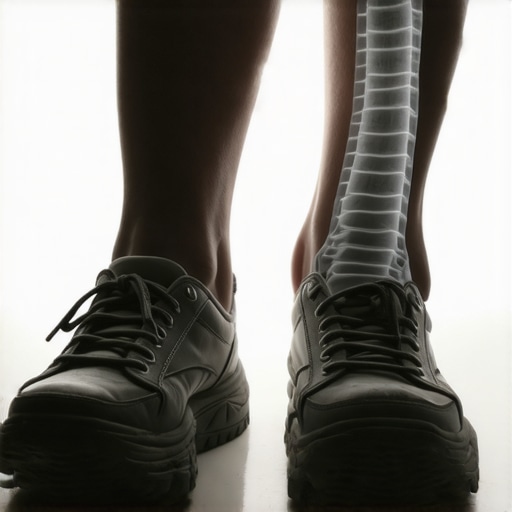
It was a morning just like any other. I laced up my favorite running shoes, felt the comfort under my feet, and hit the pavement with a sense of anticipation. But within minutes, a familiar ache crept into my lower back. That uncomfortable tightness? Turns out, my shoes might have been the hidden culprit all along. That lightbulb moment changed everything for me—and it could change your perspective on back pain too.
Why Your Running Shoes Might Be Secretly Wrecking Your Back
Most of us think about backs when pain strikes, but often overlook the tiny details that can have a massive impact—like the shoes we wear. I used to dismiss the idea that something as simple as footwear could cause chronic discomfort, until I made a crucial mistake early on. I believed that supportive running shoes alone would prevent back issues. What I didn’t realize was that improper footwear can misalign your posture and strain your spine over time.
Question Header: Is It Really Your Shoes, or Just Bad Luck?
Many skeptics argue that back pain is rooted in genetics or aging. I used to think the same until I noticed my pain worsening despite trying various therapies. The truth is, I was ignoring a simple yet overlooked factor—my shoes. This mistake, common among many, keeps us blind to the real sources of chronic pain. According to wellness experts, footwear that doesn’t align with your body’s biomechanics can lead to compensations that stress your back.
Are you constantly battling back discomfort after runs, or even during daily activities? If so, you’re not alone. The good news? Recognizing and correcting your footwear choices can dramatically improve your mobility and reduce pain. I’ll guide you through the critical insights and practical solutions that helped me—and can help you too. Ready to uncover the hidden secrets behind your back pain? Let’s dive into what you need to know to get back on track and start feeling better from the ground up.
Assess Your Footwear with Precision
Start by examining your running shoes. Look for uneven wear patterns which indicate misalignment. An example from my experience was noticing excessive wear on the outer heel of my shoes, pointing to an overpronation issue. Replace worn-out shoes with ones that provide proper arch support, ideally tailored to your foot type. Consult an expert or get a gait analysis to choose the right shoes, like those recommended in [chiropractic secrets for mobility](https://quackersspinal.com/enhance-mobility-naturally-with-chiropractic-care).
Implement a Corrective Footwear Routine
Create a habit of switching to orthotic insoles if necessary. For me, inserting custom orthotics reduced heel misalignment, which directly alleviated back tension. A simple step is to test insoles that match your arch profile; many sports stores can assist. Consistently wearing supportive footwear helps prevent compensatory postures that strain the spine—see more tips on managing neck and back discomfort [here](https://quackersspinal.com/relieve-neck-back-discomfort-using-these-expert-methods).
Learn to Walk and Run Properly
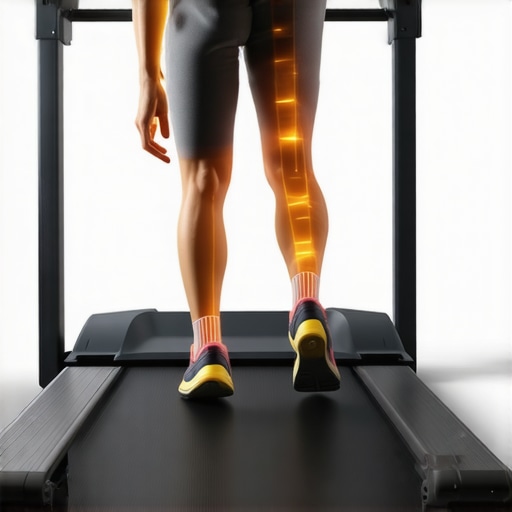
Focus on your gait pattern. Think of your body as a finely tuned machine—improper movement acts like misaligned gears causing strain. Practice walking with a heel-to-toe step, engaging your core, and avoiding overstriding. I once went for a walk practicing this technique, initially feeling awkward, but within days, my back pain diminished visibly. Incorporate drills like the ‘dead bug’ exercise to boost core stability; explore this and other essential core strategies [here](https://quackersspinal.com/effective-neck-pain-management-a-step-by-step-guide).
Adjust Your Running Technique
Transition to a midfoot strike rather than landing on your heels. It distributes impact more evenly, reducing spinal compression. During my last run, I consciously landed softly on the middle of my foot, which helped alleviate the lower back discomfort I had ignored for months. To refine your technique, consider a professional gait assessment or follow expert-approved drills [here](https://quackersspinal.com/mastering-back-neck-pain-relief-tips-from-the-pros-300).
Incorporate Mobility and Strengthening Exercises
Consistent stretching and strengthening balance the muscular support around your spine. Do not blindly stretch without purpose; focus on exercises that improve thoracic mobility, like the wall angel, or strengthen your glutes with bridges—see [these exercises](https://quackersspinal.com/restore-your-back-mobility-proven-chiropractic-strategies). A personal example was integrating a daily 2-minute hip hinge, which drastically improved my back stability during high-impact activities.
Fine-Tune Your Posture Throughout the Day
Monitor your sitting and standing habits. Think of your posture as the foundation of a house—you wouldn’t build on a shaky base. Use ergonomic adjustments: keep your laptop at eye level, sit with feet flat, and avoid crossing legs. I placed a small wedge under my lumbar area, which improved my spinal alignment during long work sessions. For more posture tips, visit [this detailed guide](https://quackersspinal.com/the-30-second-couch-stretch-to-reset-your-hips-after-a-flight).
Consistent Review and Adjustment
Reassess your footwear and techniques monthly. What worked yesterday might need tweaking today. I kept a log of my pain levels and correlated them with shoe wear and activity patterns, allowing me to identify triggers quickly. Implement small changes like stretching or gait modifications gradually to avoid overcompensation, and observe their impact over time.
Every step you take to improve your footwear and movement patterns acts like realigning the gears of your body’s machine. Stay observant and proactive, and you’ll notice your back pain decreasing as your mobility improves—trust the process and be diligent in applying these steps consistently.
Many believe that stretching or popping your neck provides instant relief, but often, these quick fixes mask deeper issues rooted in movement patterns and muscular imbalances. For instance, the common myth that cracking your neck relieves tension can actually worsen joint stability and nerve irritation over time. Experts warn that habitual neck cracking may lead to ligament laxity, increasing the risk of joint instability [here](https://quackersspinal.com/why-your-neck-hurts-after-every-every-zoom-call-2). Moreover, many think that immediate pain relief equates to healing, but in reality, addressing the root cause—such as poor mobility or muscular compensation—is essential for lasting results.
People frequently get caught up in quick-fix interventions without understanding the importance of a comprehensive approach. For example, relying solely on chiropractic adjustments without incorporating mobility drills may provide short-term benefits but fail to correct underlying movement dysfunctions. Advanced practitioners understand that restoring joint mobility naturally involves a combination of soft tissue work, targeted exercises, and correcting movement patterns—this holistic view is often overlooked by mainstream approaches.
### Why do so many treatments miss the mark despite appearing effective initially?
The answer lies in the distinction between temporary symptom relief and permanent correction. Many focus on symptomatic treatments like pain medications or manual adjustments without addressing muscular imbalances or motor control issues that perpetuate the pain cycle. Studies show that re-educating movement and strengthening key stabilizer muscles is critical for sustainable recovery [here](https://quackersspinal.com/relieve-neck-back-discomfort-using-these-expert-methods). For example, weak deep neck flexors and scapular stabilizers often contribute to chronic neck tension, yet they are rarely targeted in superficial interventions.
Another common mistake is neglecting the role of mobility limitations in the thoracic spine and hips, which can cascade into compensatory movements up the chain, stressing the neck and lower back. Advanced diagnostics like motion analysis can reveal these hidden dysfunctions, enabling more precise correction strategies. Without recognizing and treating these subtleties, many treatments turn into short-lived Band-Aids rather than long-term solutions.
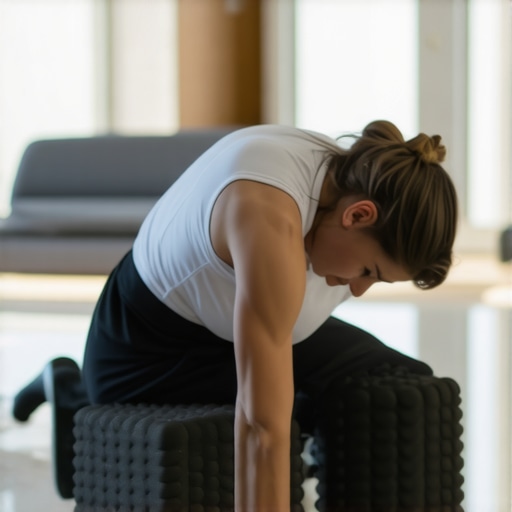
In my experience, successful management of neck and back pain stems from understanding these nuances and implementing targeted, evidence-based strategies. For instance, combining chiropractic care with mobility exercises, such as thoracic wall stretches or foam rolling, addresses the root mobility restrictions that often underlie persistent pain patterns. Dive deeper into expert-approved methods to enhance your mobility [here](https://quackersspinal.com/enhance-mobility-naturally-with-chiropractic-care).
Have you ever fallen into this trap of misdiagnosing quick fixes as cures? Let me know in the comments and share your experiences. Remember, a nuanced, comprehensive approach is your best ally against chronic neck and back issues.
Maintaining spinal health and mobility requires more than just occasional stretches or visits to the chiropractor. Investing in the right tools and adopting effective methods can make a significant difference in your journey toward lasting relief. One of my personal favorites is a high-quality foam roller, which I use regularly to release tight muscles, especially around the thoracic spine. Unlike cheap foam rollers that can cause more harm than good, a dense, appropriately-sized roller allows me to target knots safely and effectively. According to wellness experts, choosing the right foam roller and using it correctly is essential to avoid aggravating pain.
Complementing foam rolling, I strongly recommend incorporating a set of resistance bands designed for mobility exercises. These aren’t just for strength; they help activate stabilizer muscles and improve joint range of motion. I personally favor resistance bands with different tension levels, so I can tailor my workout to my daily needs. Consistent use of these bands supports long-term improvements in posture and spinal stability, reducing the likelihood of flare-ups.
For more precise alignment, I leverage a digital posture analysis app that provides real-time feedback on my sitting and standing habits. Technology like this is becoming increasingly accessible and affordable, allowing me to identify habits that contribute to poor alignment. Regularly reviewing these insights helps me adjust my ergonomics — whether it’s elevating my monitor or adjusting my chair’s lumbar support. The trend of integrating smart tools into daily routines is only growing; in the future, I predict AI-powered posture correction devices will become more personalized and autonomous, further boosting our ability to stay aligned.
How Do I Keep My Neck and Back Moving Over Time?
Consistency is key. Just as brushing your teeth daily keeps cavities at bay, adopting a routine of mobility drills, strength exercises, and ergonomic checks ensures your progress endures. I schedule brief mobility sessions twice a day—morning and evening—to reinforce targeted muscles and promote circulation. Moreover, I track my pain levels and mobility improvements over months, which helps me recognize when adjustments are needed. Implementing a mindful approach—pairing movement with awareness—ensures these habits stick.
Remember, tools are just part of the solution. Combine them with expert guidance and tailored exercises. For example, exploring chiropractic secrets for mobility recovery can accelerate progress. Don’t hesitate to experiment with different techniques and seek professional advice if something feels off. The investment in quality tools and sustained effort will pay dividends, leading to fewer pain episodes and better mobility in the years ahead.
To start, I encourage you to pick up a foam roller suited to your body and experiment with gentle, targeted self-myofascial release. This simple yet powerful step can significantly improve tissue health and prepare you for more advanced mobility exercises. Remember, small, consistent actions build long-term resilience—your back will thank you.
The Hardest Lesson I Learned About neck pain, chiropractic, mobility, back pain
One of my toughest realizations was that quick fixes often do more harm than good. Relying solely on massage or popping my neck provided temporary relief but didn’t address the underlying mobility issues. It taught me the importance of understanding that real healing involves restoring joint function and muscular balance, not just alleviating symptoms temporarily.
My Journey From Misconceptions to Mastery
Initially, I believed that choosing the perfect pillow or doing isolated stretches would solve my chronic neck and back pain. However, I discovered that integrating functional mobility exercises, proper ergonomics, and supportive footwear was essential. This holistic approach drastically changed my results and my outlook on spinal health.
The Crucial Role of Consistency and Awareness
One insight that transformed my progress was tracking my habits—like footwear wear patterns and posture tweaks—and making gradual adjustments. It’s not about perfecting everything at once but about consistent, mindful efforts that accumulate into lasting change. This helped me avoid setbacks and stay motivated.
Where to Go from Here—Tools and Resources That Make a Difference
Investing in quality tools like a sturdy foam roller and resistance bands proved invaluable. I trust this guide on selecting the right foam roller to prevent injury and maximize benefits. Additionally, apps for posture analysis keep me honest and proactive. Combining manual therapy with these DIY tools accelerates healing and maintenance.
Trust the Process—Your Better Back Awaits
Achieving lasting relief requires patience, curiosity, and a willingness to learn your body’s unique needs. Remember, small daily improvements are the foundation of enduring mobility. Keep exploring, stay consistent, and don’t hesitate to seek expert guidance to tailor your journey. Your spine’s health is worth the investment.
Have you ever experienced a breakthrough by changing just your footwear or adding mobility exercises? Share your story below—I’d love to hear how these shifts have impacted your back and neck health.