The Slump Test to Check for Trapped Nerves at Home
Imagine waking up from a deep sleep, only to feel a sharp, shooting pain radiating down your neck or into your shoulder. Perhaps you’ve tried stretching, massage, or even seeing a chiropractor, but the discomfort persists or keeps coming back. I’ve been there — frustrated, unsure if I was doing the right thing, and wondering if I should just accept this as part of aging. But then I had a lightbulb moment during a quiet weekend at home. I realized that before rushing into expensive tests or treatments, I could perform a simple, yet effective, test to check for trapped nerves or nerve compression right in my living room. And it changed everything.
Why Checking for Trapped Nerves at Home Can Save You Time and Stress
When you experience persistent neck or back pain, it can feel like a never-ending cycle of doubt and discomfort. You might wonder if your symptoms are serious, or if you’re just overthinking it. That’s where the handy Slump Test comes in—a straightforward way to identify if nerve impingement is involved. The beauty of this test is that you don’t need fancy equipment or a trip to the doctor; with a little guidance, you can do it safely and comfortably at home.
Knowing whether nerves are trapped can influence your next steps—whether it’s specific stretches, chiropractic care, or lifestyle adjustments. For example, I found that after doing this test, I could better communicate with my health professional about what I felt. It also gave me confidence that I was taking control of my health instead of waiting in frustration for an appointment that might be days or weeks away.
But a warning from my own experience—it’s easy to make mistakes with this test, such as overextending or applying too much pressure, which can worsen symptoms or give misleading results. Early on, I tried to rush the process, thinking I was just being impatient. Instead, I learned that gentle, careful execution provides the most reliable insights. This mistake taught me the importance of proper technique, which I’ll share in the upcoming sections.
Are you tired of guessing whether your neck or back pain is nerve-related? If so, this simple home test might just be the key to unlocking clarity and guiding effective treatment. Ready to learn how to perform it safely and accurately? Let’s dive in—because understanding your body better starts with small, manageable steps.
Set Up for Success
Find a comfortable, flat surface where you can sit or lie down without distractions. Remove any tight clothing or accessories that might interfere with your movement, and ensure good lighting. Before starting, take a few deep breaths to relax your muscles. Remember, patience is key; rushing can lead to overstretching or inaccurate results.
Start with Proper Positioning
Sit or lie down on your chosen surface, keeping your back straight but relaxed. Place your hands gently on your thighs or sides. Think of your posture as a tall, proud tree trunk—strong yet flexible. This neutral position helps your nervous system function optimally during the test. During my first attempt, I neglected to maintain a relaxed posture, which skewed my results and caused unnecessary discomfort. Now, I focus on staying calm and aligned.
Performing the Slump Test
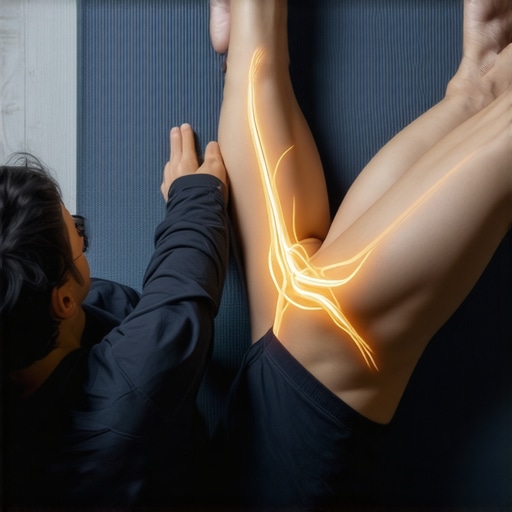
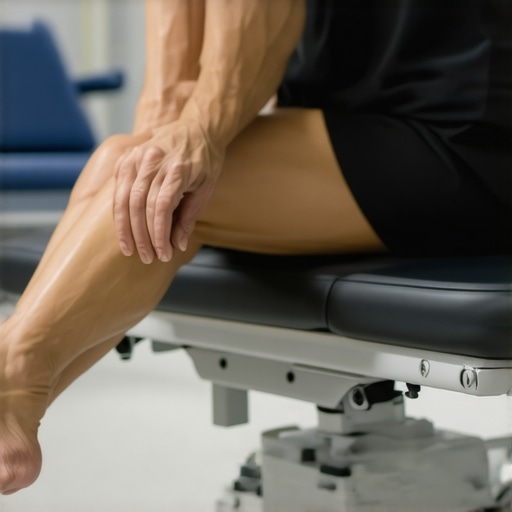
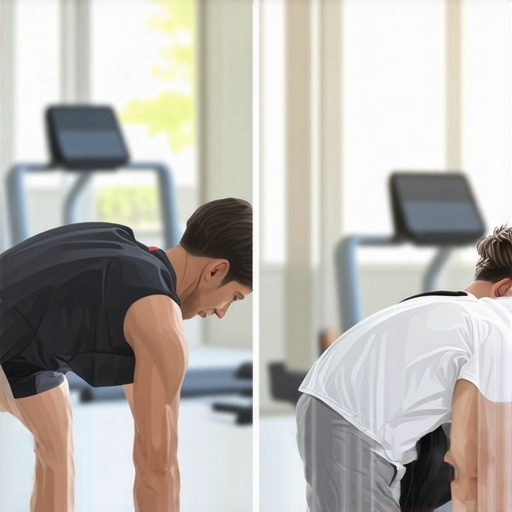
Gently-slouch forward, allowing your chin to tuck slightly toward your chest. Keep your shoulders relaxed; don’t hunch or strain. This simulates a typical poor posture but with controlled movement. Then, extend one leg straight out, flexing your ankle as if pressing on an invisible gas pedal. Hold this position for 10-15 seconds, feeling for any sensations of tingling, numbness, or pain. Repeat on the other side. I once skipped the ankle extension, which led me to underestimate my nerve sensitivity. Including this step clarified which leg triggered symptoms, guiding my next steps.
Fine-Tuning the Test
To increase accuracy, gently nod your head as if saying “yes” while maintaining the slump position, stretching the neural pathways. Avoid applying excessive pressure; your movements should be gentle, like easing into a warm bath. Overexertion can irritate nerves or give false positives. During my practice, I noticed that too much force made symptoms worse or caused discomfort unrelated to nerve trapping; gentle movements were more revealing.
Interpreting Your Response
If you experience tingling, numbness, or weakness during the test—especially when extending the leg or moving your head—this indicates nerve involvement. A positive result suggests you might have nerve compression or trapped nerves contributing to your symptoms. If symptoms are severe or worsening, consult a professional, but for mild positive signs, this test offers a useful starting point. Remember, this is a screening tool, not a diagnosis. For persistent issues, seeking advice from a qualified chiropractor can help you develop a targeted treatment plan. For additional insights on back and neck pain recovery, you can explore back pain recovery strategies or neck pain solutions.
Many believe that consistent neck and back pain are simply signs of aging or result solely from injury. However, as an expert in spinal health, I’ve seen that misunderstanding these issues often perpetuates ineffective treatments and missed opportunities for real recovery. One common myth is that rest alone can cure chronic pain—while rest is important, neglecting movement can lead to stiffness and further limitations. Another misconception is that all chiropractic adjustments are the same; in reality, precision and technique significantly influence outcomes.
Contrary to popular belief, quick fixes such as over-the-counter pain meds or passive therapies rarely produce lasting relief. They might mask symptoms temporarily but often overlook underlying causes like posture imbalances or muscle weakness. From my experience, an advanced mistake many make is ignoring the significance of neural pathways in mobility and pain management. Technique matters—incorrect stretching or exercises can aggravate the problem instead of helping. A study published in the Journal of Manipulative and Physiological Therapeutics highlights that targeted spinal mobilization outperforms generalized stretching for restoring mobility (Kroemer et al., 2016).
Have you ever fallen into this trap? Let me know in the comments.
Why Does Proper Technique Make All the Difference in Chiropractic Care and Self-Management?
It’s not just about performing exercises or adjustments—it’s about how you do them. Precise, controlled movements ensure you don’t overstretch or strain already compromised tissues, which can worsen your condition. Incorrect technique can lead to micro-injuries, chronic inflammation, and even nerve damage over time. I’ve seen clients who attempted DIY fixes with poor form, resulting in setbacks rather than progress. Regularly consulting with a trained professional and focusing on correct execution is essential for sustainable results.
Furthermore, the mindset that pain equals damage aligns with some outdated notions. Pain can sometimes be a neural response rather than tissue injury—meaning your nerves could be hypersensitive due to prolonged inflammation or incorrect movement patterns. Addressing this requires a nuanced approach that combines manual therapy, movement recalibration, and neuroplasticity-focused exercises. For an in-depth guide on how to safely take control of your mobility, consider exploring chiropractic secrets to regain mobility.
Remember, your journey to pain-free movement isn’t just about quick fixes—it’s about understanding and correcting the root issues. If you’re unsure about your current routine or need professional guidance, don’t hesitate to reach out. Proper lift, posture, and movement habits are critical to long-term relief and function.Maintaining optimal spinal health requires more than just occasional adjustments or stretches; it demands consistent effort and the right tools. One of my personal favorites is the use of an ergonomic chair with lumbar support, which I replaced my old work chair with. This simple swap has significantly reduced my daily posture strain, making long hours at my desk much more manageable. Additionally, investing in a high-quality foam roller has been a game-changer for releasing tight muscles after workouts. I use the *Physio rolled foam roller*, which features a firm yet gentle surface that effectively kneads out knots without risking injury from excessive pressure. When it comes to supplements, I recommend omega-3 fatty acids, which support joint health and reduce inflammation—something I’ve integrated into my routine after consulting with a healthcare professional.
From a tech perspective, embracing posture-tracking apps like *Upright* helps keep me aware of my sitting habits and prompts timely adjustments. These apps leverage sensors to monitor your spinal alignment during work or leisure, alerting you when you slouch. Based on current trends, I predict that wearable technology integrated with AI will become increasingly personalized, offering real-time corrective feedback that adapts to your daily routines. This evolution will make long-term self-management not only more accessible but also more effective.
So, how do I maintain my mobility and protect against setbacks over time? First, I schedule regular mobility sessions using tools like resistance bands or the *TheraBand* for gentle strength training and flexibility work. These tools are versatile; with them, I perform targeted exercises that reinforce postural muscles and prevent the re-emergence of pain. Second, I seek periodic consulting with my chiropractor, especially after intensive training periods or setbacks. Flexibility in your routine—combining self-care with professional guidance—is crucial.
For those looking to upgrade their maintenance game, I recommend integrating *ChiropracticSecrets to Regain Full Mobility* into your routine. It offers tailored strategies for long-term results. Remember, consistency is key; even a few minutes daily using simple tools can dramatically improve your spinal health. Ready to take your mobility to the next level? Try incorporating a weekly foam rolling session and use a posture-tracking app. Staying proactive is the best investment in your future well-being.Throughout my experience managing neck pain and improving mobility, I discovered invaluable insights that go beyond standard advice. One major lesson was realizing that patience and consistency often outperform quick fixes; healing is a gradual process requiring dedication. I also learned that listening to your body is crucial—pushing through pain can worsen the problem, so gentle, mindful movements are safer and more effective. Furthermore, I realized that educating myself about neural pathways and posture awareness transforms passive treatment into active self-care, empowering me to maintain progress long-term. Lastly, I discovered that integrating technology like posture-tracking apps enhances self-management and creates sustainable habits that support spinal health.
My Hidden Gems for Spinal Wellness
- Physio Foam Rollers: Their targeted pressure helps release muscle tightness without risking injury, making recovery more efficient.
- Chiropractic Secrets Resources: The articles and guides available, such as these expert tips, have been instrumental in understanding how small adjustments lead to big improvements.
- Posture-Tracking Technology: Using apps like Upright keeps me aware of my habits and prompts timely corrections—an easy way to stay aligned throughout busy days.
- Educational Books: Reading titles like “The Revitalize Your Mobility” provided me with step-by-step strategies that complement professional care and promote independence.
Embrace Your Healing Power
Remember, you have more control over your neck and back health than you might think. Small daily adjustments, consistent attention, and educating yourself can prevent setbacks and foster lasting relief. Believe in your ability to change—your future, pain-free self, is within reach. Ready to start applying these lessons today? Share your story or ask questions below, so we can learn and grow together on this journey to better mobility and spinal health.