The truth about standing desks and hip flexor strain
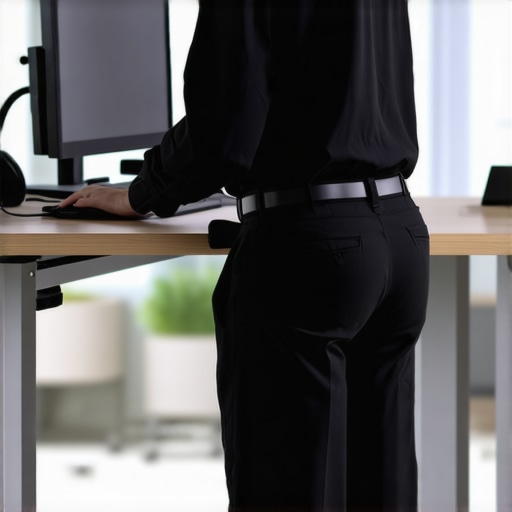
It hit me one afternoon during a video call—my hips felt tighter than ever, and every step afterward was a reminder that something was off. I had been praising my new standing desk, thinking it was the ultimate solution for back pain and fatigue. But instead of feeling liberated, I was dealing with a new kind of discomfort that no ergonomic accessory could fix. That was my lightbulb moment. I realized that my enthusiasm for standing all day was actually contributing to a different health issue—tight hips and strained hip flexors. If you’ve ever experienced similar tightness or discomfort after switching to a standing desk, you’re not alone.
The Real Deal Behind Standing Desks and Hip Flexor Strain
Many folks leap into standing desks with high hopes, expecting immediate relief from sedentary-related aches. But what often gets overlooked is the silent impact on our hip flexors—those small but powerful muscles at the front of your hips that help lift your legs and stabilize your pelvis. Over time, prolonged standing or poor posture at these desks can lead to tightness and strain in this area, which in turn can cause pain in your hips, lower back, or even your knees. That initial comfort can quickly give way to new problems if we’re not mindful.
I made a crucial mistake early on: I didn’t pay attention to how I was standing—how my pelvis was aligned or whether I was engaging my core. Instead, I just stood there, thinking that staying upright was enough. Turns out, that’s a recipe for hip flexor knotting and discomfort. To really benefit from a standing desk, you need more than just standing—you need proper movement patterns and strategies to avoid tension build-up.
Luckily, I found a way to improve this, and I want to share it with you. A few tweaks to your posture and some simple mobility exercises can make a world of difference. Think of it as restoring your body’s natural balance, preventing the strain before it becomes a chronic problem. Curious how? Let’s dig into the truth behind standing desks and how to protect your hips.
Activate Your Core Before Standing
Start with a simple cue: engage your abdominal muscles as if you’re preparing to brace for a gentle punch. This stabilizes your pelvis and prevents it from rocking forward or backward, which can tighten your hip flexors. I recall a morning when I consciously practiced this before switching to standing; I immediately felt a reduction in hip discomfort, even after an hour of standing. To master this, set a timer and remind yourself to tighten your core every 15 minutes.
Alternate Between Sitting and Standing
Instead of remaining stationary in either position, adopt the habit of moving frequently. For example, stand for 30 minutes, then sit with proper lumbar support for 5 minutes. Think of your hips like a rubber band—constant tension without release leads to knotting. When I experimented with this approach during a workday, I noticed my hip tension diminished significantly. Use a timer or app to enforce this habit, making it part of your routine.
Incorporate Hip Mobility Exercises
Focus on dedicated stretches and movements that target your hip flexors and surrounding muscles. The kneeling hip flexor stretch is particularly effective: kneel on one knee, front foot flat on the ground, and gently push your hips forward. In a personal session, I found that dedicating just 2 minutes every hour to these stretches restored my movement fluidity and eased pain. Incorporate these into your day, especially if you notice tightness creeping in.
Stretch with Kettlebell Swings or Mountain Climbers
Dynamic movements like kettlebell swings or mountain climbers enhance hip flexibility and strengthen stabilizers. I added 10 swings during my breaks and felt an immediate improvement in hip openness. These exercises also promote blood flow, which helps reduce stiffness. Remember to keep movements controlled to prevent overexertion and consult a professional if you’re unsure about proper form.
Adjust Your Standing Posture for Balance
Pay attention to your pelvis tilt—aim for a neutral position where your hips are aligned under your shoulders. Imagine a balanced teeter-totter: if one side dips, discomfort may follow. I once noticed my hips tilting forward in a mirror, leading to tightness. Correct this by slightly engaging your glutes and tucking your pelvis under. Use a mirror or record yourself to ensure proper alignment and prevent strain from improper posture.
Leverage Chiropractic Insights for Lasting Relief
Seeking professional guidance can identify underlying mobility issues contributing to tight hips. Techniques like targeted adjustments and soft tissue therapies reset your alignment, providing a fresh baseline. I experienced a notable decrease in hip stiffness after a session that focused on my pelvis and hip joints—proof that expert intervention enhances self-managed routines. Regular chiropractic care, combined with self-mobilization, accelerates recovery and maintains flexibility. Learn more about how chiropractic care can restore your range of motion.
While many believe that stretching and strengthening alone can resolve back and neck pain, the reality is far more intricate. A common misconception is that pain stems solely from muscle tightness or weakness, leading people to focus on isolated exercises. However, according to recent expert insights, true mobility and pain relief require addressing neural and joint health, not just muscles. Overlooking the role of spinal alignment and neurological pathways can trap individuals in a cycle of temporary relief and recurring discomfort. For instance, improper movement patterns can create maladaptive neuroplasticity, reinforcing poor posture habits. An advanced mistake I see often: presuming that manual therapies like massage or chiropractic adjustments are quick fixes, without incorporating whole-body movement retraining. This oversight can lead to dependency on treatments rather than sustainable solutions. Recent studies highlight that integrating mobility mastery, which considers the entire neuro-musculoskeletal network, accelerates recovery and enhances resilience (see https://quackersspinal.com/mobility-mastery-expert-tips-for-back-pain-prevention-and-recovery). Another nuanced point is the myth that static stretching is always beneficial. In fact, research indicates that dynamic mobility exercises produce better long-term outcomes for back health. Static stretches held for too long can sometimes increase muscle tension if not combined with proper activation. So, before jumping into stretches or exercises, evaluate your movement quality and joint health. Correcting the underlying neural and joint restrictions is vital for lasting relief. Chiropractic adjustments, when integrated properly with mobility training, can reset joint function and improve nervous system communication, leading to more efficient movement patterns. Don’t fall into the trap of superficial fixes that overlook the interconnected complexity of your musculoskeletal system. Would you like more advanced strategies to elevate your mobility game? Check out https://quackersspinal.com/restore-your-range-how-chiropractic-care-enhances-movement for expert insights. Have you ever fallen into this trap? Let me know in the comments.
Investing in Effective Tools for Long-Term Mobility
Maintaining progress in back and neck health requires more than just sporadic stretching; it hinges on the right tools and consistent practices. Personally, I swear by specific equipment that have proven their worth over years of practice. One essential is a high-quality foam roller with a dense, firm surface. Unlike softer rollers, a firm foam roller effectively releases myofascial knots, especially in overloaded areas like the hips and lower back. I use it daily, targeting tight spots identified during my mobility assessments, which I detailed in this comprehensive guide.
Another game-changer is a set of resistance bands, particularly for active mobilization exercises. I prefer loop bands with medium resistance, as they assist in controlled stretching and strengthening of hip flexors and stabilizers. These are invaluable for long-term maintenance because they allow me to perform dynamic routines without requiring a gym. In my experience, integrating these into my daily mobility drills, as shown in this article, prevents regression and builds resilience against injury.
Software and Apps to Track Your Mobility Journey
Beyond physical tools, I rely heavily on posture and mobility tracking apps. Apps like ‘Align’ enable me to record my posture over days and receive feedback. Consistent monitoring helps me stay aware of subtle deterioration and motivates me to stay disciplined. Such digital support ensures that I catch issues early and adjust my routines accordingly. As mobility trends evolve, I predict we’ll see AI-powered apps that analyze movement patterns and prescribe customized drills, making maintenance even more personalized and effective.
Expert Techniques for Long-Haul Mobility
In addition to equipment and software, I focus on expert-led methods. Regular chiropractic care, combined with at-home mobilization routines, creates a synergy that maintains my spine’s health. For example, I schedule quarterly sessions to recalibrate my joint health, which complements my daily stretching. You can read more about the benefits of such integrated approaches in this detailed resource. Incorporating mobility exercises that mimic real-world movements, as discussed in these tactics, prepares your body for daily demands, reducing long-term pain risk.
How do I keep my mobility efforts sustainable over time?
The key lies in consistency and adapting your tools to your evolving needs. I recommend establishing a routine that blends manual therapy sessions with active self-care, including mobility drills and tool use. Regularly updating your equipment, such as replacing foam rollers or resistance bands when worn out, ensures continued effectiveness. Tracking progress through apps keeps you honest and motivated. Remember, integrating these practices with expert advice ensures your mobility stays robust, preventing setbacks and enabling active living for years to come. For advanced strategies, consult this expert guide. Ready to elevate your routine? Pick a mobility tool today and commit to its daily use—you’ll thank yourself later.
What I Wish I Knew About Hip Flexor Dynamics Early On
One of the most eye-opening lessons I learned was that even well-intentioned changes like switching to a standing desk can backfire if I overlook the intricacies of my body’s movement patterns. Engaging my core before standing made a profound difference, revealing how foundational stability is to preventing hip tightness. Additionally, understanding that my hips are part of a complex network meant I had to address neural, joint, and muscular aspects simultaneously—something I previously underestimated. Embracing this layered approach transformed my recovery journey and continuously teaches me that patience and mindful adjustments are key to sustainable mobility.
The Toolbox That Became My Lifeline
Over the years, I’ve curated a set of tools that genuinely support my back and hip health. The foam roller I trust is dense and firm, providing deep myofascial release where it’s needed most. Resistance bands help me activate and stretch dynamically, ensuring I don’t stay static in one position for too long. Tracking apps serve as my personal mobility diary, highlighting subtle changes and keeping me accountable. These tools, combined with expert advice from resources like Mobility Mastery tips, form a holistic approach I depend on daily.
The Heartfelt Call to Action in Your Mobility Journey
If you’ve been pushing through stiffness or discomfort, know that real change begins with small, consistent steps. Your hips, back, and neck are resilient and capable of healing when you honor their need for proper movement, rest, and expert guidance. I encourage you to start today—perhaps with a simple core activation or a mobility stretch—and see where it leads. Remember, transforming your mobility isn’t about drastic changes overnight; it’s about embracing a mindful, sustained effort that respects your unique body. Your future self will thank you for every step you take toward better movement and less pain.