How Your Vision Affects Your Head Position and Neck Pain
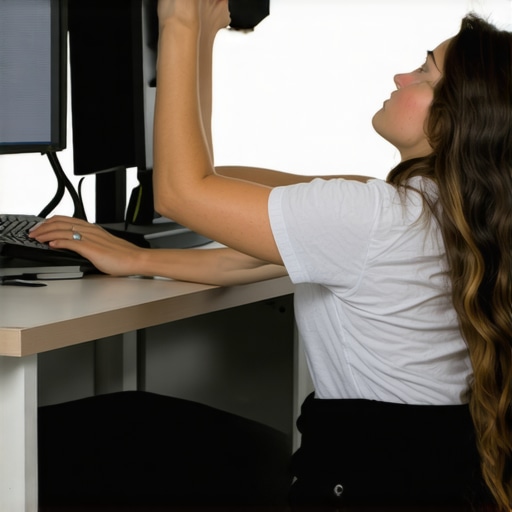
I remember the day I finally realized why I was constantly battling neck stiffness and headaches. It hit me during one of my routine work sessions—my gaze was fixed sharply on the computer screen, but my head was tilting forward, trying to see more clearly. That simple, unconscious habit was silently contributing to a cascade of discomfort in my neck and head position. And let me tell you, once I understood the connection, everything changed.
Your Vision and Your Head Position: An Unexpected Link
Many people don’t realize that their eye habits affect their entire posture, especially the placement of their head. Poor ergonomic setups and strained vision often cause us to tilt or jut our chin forward, which over time strains the neck muscles and alters our natural head position. This misalignment can lead to persistent pain, headaches, and even long-term spinal issues. I used to dismiss these minor discomforts as normal, but I learned that small habits like how we focus or where we look can have serious consequences. If you’re experiencing similar issues, don’t worry—you’re not alone, and there’s a lot you can do to improve things.
Is Your Vision Harming Your Neck and Head Posture More Than You Think?
Initially, I made the mistake of ignoring my vision’s role in my pain. I thought it was just stress or bad posture from sitting too long. But after a visit to my chiropractor, I discovered that my eye strain was pulling my head into an unnatural position, making my muscles work harder than they should. The good news? Small adjustments in how you view your environment can make a significant difference. Want to learn more about how your eye habits can affect your spinal health? Check out this comprehensive guide on how chiropractic care can restore your range of motion and reduce discomfort. Understanding these subtle connections is the first step toward lasting relief. Ready to explore practical strategies to realign your head position and banish neck pain for good? Let’s dive into simple, effective techniques that have transformed my daily comfort, and they can do the same for you.
Adjust Your Monitor and Workspace for Proper Alignment
Start by ensuring your computer screen is at eye level, preventing you from tilting your head upward or downward. Use monitor stands or stack books to elevate your screen if necessary. Position your keyboard and mouse so your elbows stay close to your body, reducing strain. I once spent an afternoon repositioning my workstation, which initially felt cumbersome, but the relief in my neck after a few days was undeniable.
Practice the 30-Second Posture Correction
Set a timer to remind yourself every 30 minutes. When it goes off, take a moment to assess and correct your head position. Align your ears over your shoulders while gently retracting your chin, as if creating a double chin. This small habit prevents chronic forward head posture. I captured this moment in my routine, pulling my chin back with a slight stretch, feeling immediate tension relief.
Implement Gentle Neck Mobility Exercises
Incorporate specific movements to improve neck flexibility. For example, slowly turn your head side to side, holding each position for a few seconds. Then, tilt your head forward and backward gently. These movements mimic the action of turning a steering wheel smoothly. I added this to my morning routine, initially awkward at first, but soon I noticed improved ease in turning my neck without pain.
Use Micro-Stretching Throughout the Day
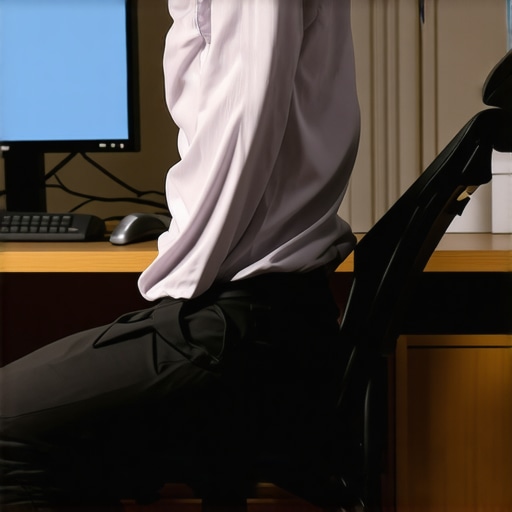
Every hour, take 60 seconds to perform targeted stretches. One effective method is the seated doorway stretch: clasp your hands behind your head and gently pull your elbows back while keeping your chin tucked. This counteracts the tendency to slouch forward. During a particularly stressful week, these micro-stretches became my quick reset, helping me maintain better posture and reduce tension.
Incorporate Breathing and Relaxation Techniques
Deep diaphragmatic breathing reduces muscle tension that contributes to poor posture. Practice inhaling slowly through your nose, expanding your belly, then exhale fully. Combine this with progressive muscle relaxation, tensing and releasing neck muscles. I found that a few minutes of focused breathing before meetings kept my neck muscles more relaxed, preventing the tension buildup that often led to headaches.
Consider Professional Support
If persistent discomfort remains despite these adjustments, consulting a chiropractor can be transformative. They can assess your biomechanics and recommend tailored adjustments or therapies. Read more about how chiropractic care can enhance mobility naturally and boost neck comfort and function. Embracing these hands-on techniques can accelerate your recovery and maintain long-term alignment.Many assume that stretching more or seeing a chiropractor regularly automatically resolves persistent neck and back issues, but this is a common misconception. In my professional experience, one of the most overlooked aspects is the nuanced relationship between joint mobility, spinal alignment, and muscular compensation patterns. For example, focusing solely on increasing joint range without addressing underlying stability can actually worsen symptoms over time. Studies, such as those highlighted in the *Journal of Bodywork and Movement Therapies*, show that targeted stability exercises can be more effective than generic mobility drills alone.
Why do many mobility routines backfire for chronic neck pain sufferers?
Often, individuals fall into the trap of aggressive stretching or over-reliance on passive treatments, both of which can lead to joint hypermobility or muscle weakness. Instead, understanding the balance between mobility and stability is crucial. A misstep here can lead to *joint laxity*, increasing the risk of injury rather than prevention. My recommendation is to incorporate a personalized approach that combines gentle mobilization with stabilization exercises, as detailed in our mobility optimization guide. Moreover, many people overlook how dysfunctional movement patterns, often ingrained from years of poor ergonomics or habits, perpetuate pain cycles. Correcting these requires a comprehensive assessment, preferably through a skilled chiropractor, to ensure adjustments are not only effective but safe. To avoid common pitfalls, always be cautious of rushing into intense mobility exercises without proper spinal support—think of it like building a house: strong foundations are essential. Think you’re ready to explore advanced techniques? I suggest reviewing our chiropractic strategies to enhance movement for a deeper dive. Remember, genuine progress comes from understanding the interplay between mobility, stability, and muscle coordination. Have you ever fallen into this trap? Let me know in the comments.
Keeping It Working: Essential Tools and Methods
Maintaining mobility and continued pain relief requires more than just short-term fixes. It involves a strategic approach using targeted tools and methods that support long-term health. Personally, I rely on specific equipment and techniques that have proven effective in my daily routine, ensuring my body remains resilient and functional over time.
Why Invest in a Quality Foam Roller
I’ve found that a high-density foam roller is indispensable for releasing myofascial tension, especially around the neck and back muscles. I prefer one with a firmer surface because it provides deeper tissue stimulation, helping maintain my mobility. Regular use of the foam roller prevents muscle knots from re-forming and keeps my tissues pliable, which is crucial for long-term relief. For consistency, I incorporate rolling sessions into my post-work routine, focusing on areas prone to stiffness.
Adopting a Digital Posture Monitor
As someone who spends hours at the computer, I utilize a posture monitoring app on my phone. This tool sends gentle reminders to correct my head and spine alignment, reinforcing healthy habits. These apps often leverage the phone’s sensors to detect slouching or forward head posture, which can sneak back in during lengthy work sessions. By continuously retraining my body to sustain proper positioning, I prevent the recurrence of pain and stiffness. Check out this detailed guide on how chiropractic care can naturally enhance mobility for additional tips.
Stretching Aids and Assistive Devices
I also recommend using supportive devices like cervical collars or ergonomic chairs that promote correct posture. A cervical collar, used judiciously, can aid in reminding your neck muscles to stay aligned, especially after chiropractic adjustments. Ergonomic chairs with adjustable lumbar support encourage proper spinal curves, reducing strain over time. I personally adjust my workspace regularly and use these tools to reinforce good posture habits. For comprehensive strategies, our mobility optimization guide explores how these tools integrate into daily routines.
Future of Mobility SupportTech
Looking ahead, innovations like AI-powered posture sensors and wearable devices that provide real-time feedback are becoming more accessible. These advancements promise more personalized, proactive approaches to managing mobility issues. For example, I predict that integrating these devices with professional care will enable better tracking and prevention of pain recurrences, making long-term management more seamless and precise.
How do I keep my mobility tools effective over time?
Consistency is key. Regularly calibrate your devices, clean your foam roller, and stay educated about proper techniques. Also, schedule periodic check-ins with a chiropractor to revisit your posture and mobility strategies. Remember, tools are only as good as your commitment to using them correctly. Combining these tools with professional guidance—like the insights found at expert methods for neck and back discomfort—ensures lasting results. Start by incorporating one or two of these tools into your routine today, and watch your long-term mobility improve.
The Toughest Lessons I Discovered About Staying Mobile and Preventing Pain
– I once believed that daily stretching was enough to keep my neck and back healthy, but realized that neglecting the subtle signals from my body, like tightness or discomfort, only prolonged my issues. Listening carefully to these cues has been a game-changer.
– I’d always thought that visiting a chiropractor was a quick fix, yet learned that consistent posture habits and micro-movements throughout the day are essential for lasting relief. Combining professional care with daily mindful movements accelerates healing.
– Over time, I discovered that superficial fixes like fancy ergonomic chairs weren’t enough. True improvement came from understanding my body’s unique needs and tailoring exercises and tools—like foam rollers and posture monitors—to reinforce good habits.
The Best Resources That Reinforced My Journey to Better Mobility
– Chiropractic care for natural mobility opened my eyes to how spinal health influences overall movement and pain prevention. It’s my cornerstone resource because it combines expertise with practical strategies.
– The mobility mastery guide provided personalized exercises that transformed my routine, emphasizing stability and controlled mobility rather than aggressive stretching.
– Reading about chiropractic techniques for pain relief offered insights into how small adjustments and consistent practice create profound improvements over time.
Keep Moving: Your Next Step Towards Lasting Relief
Embracing these lessons means trusting yourself to prioritize your mobility and posture—because your body is your most valuable asset. Incorporate mindful habits, explore tailored tools, and consider professional support. You deserve a life free from persistent neck and back pain, and every small step you take today can lead to transformative change.