Why Your Glutes Are Turning Off During Your Daily Commute
It hit me one morning after a particularly long drive—my hips felt stiff, my lower back ached, and I realized I hadn’t engaged my glutes in hours. That lightbulb moment made me question: why am I walking around all day with my glutes shut off, especially when I sit for work or commute every day? This issue isn’t just about feeling uncomfortable; it can set off a cascade of problems: poor posture, back pain, and even compromised mobility that affects your daily life.
Unlocking the Glute Mystery: Why Are They Turning Off?
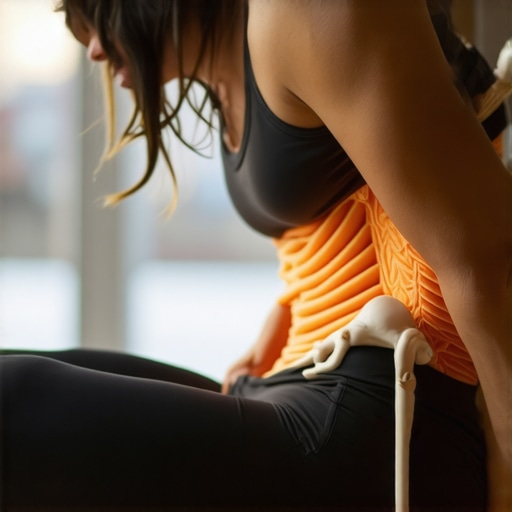
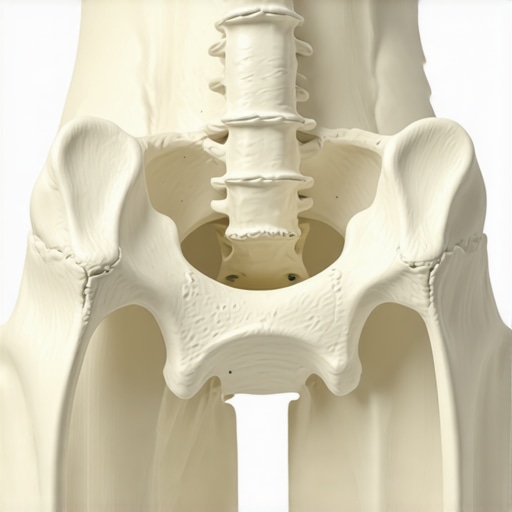
Many people don’t realize that prolonged sitting, especially during commutes, can cause your glute muscles—those powerful muscles at the back of your hips—to become dormant or weak. When you stay seated for hours, your hips are in a flexed position, which can inhibit proper activation of these muscles. Over time, this leads to a phenomenon known as “glute amnesia,” where the muscles forget how to engage properly, making everyday movements and postures more difficult.
Interestingly, a study published in the *Journal of Physical Therapy Science* found that inactivity and poor sitting habits directly contribute to muscular imbalances that lead to low back pain and decreased mobility[^1]. That means our daily routines might be quietly sabotaging our body’s natural strength.
Now, here’s the kicker: early on, I made the mistake of ignoring my body’s signals. I thought stretching my hamstrings or doing some quick stretches in the morning was enough. But the real culprit was my lack of glute engagement during those long hours of sitting. Recognizing this was the first step toward true change.
Are you experiencing similar issues during your commute? Do your hips feel dull or stiff after a long drive or workday? If so, you’re not alone—and the good news is, there are practical ways to reawaken those muscle groups and reclaim your mobility. In the upcoming sections, I’ll guide you through simple, effective strategies that can make a noticeable difference—no special equipment required. Ready to take back control of your hips and improve your overall movement? Let’s get started!
Activate Your Glutes During Daily Movements
Start with Gentle Glute Contractions
While lying on your back, tighten your butt muscles as if you’re trying to hold a coin between them. Hold for five seconds, then relax. This simple move sends a wake-up call to your dormant muscles. I did this in the morning after a long drive; initially, it felt awkward, but within a week, I noticed less stiffness in my hips and improved posture.
Incorporate Glute Bridges into Your Routine
Lie on your back with knees bent, feet flat on the floor hip-width apart. Engage your core, then push through your heels to lift your hips towards the ceiling, squeezing your glutes at the top. Lower back down slowly. Doing three sets of ten daily helped me reconnect with my glutes, reducing lower back pain and enhancing mobility. This exercise also aligns with strategies discussed in proven chiropractic techniques.
Stretch and Mobilize Your Hip Flexors
Perform the Lunging Hip Opener
Step one foot forward into a deep lunge, keeping the other leg extended behind. Push your hips downward and hold for 30 seconds, feeling the stretch in your hip flexors. I added this stretch after noticing my hips stiffened post-drive; it significantly improved my hip flexibility, making glute activation easier and more effective.
Use the Pigeon Pose for Deep Release
Bring one leg forward, knee bent, and extend the other leg behind you. Lean forward gently onto your bent leg. Hold for 30 seconds. This pose releases tight hip muscles and complements your glute strengthening efforts. Remember, consistency is key; just a few minutes daily can make a big difference.
Adjust Sitting Habits to Prevent Glute Shut-Down
Practice Micro-Movements During Sitting
Set a timer every 30 minutes to stand, wiggle, or do a hip abduction movement. I kept a reminder on my phone; this habit prevented my glutes from remaining inactive for hours. It’s like giving your muscles a jump-start, much like turning on a dormant engine before a long ride.
Use a Sitting Cushion with an Active Base
Switch to a cushion that encourages movement—like a wobble or balance cushion. It forces subtle engagement of your core and glutes, breaking the habit of prolonged inactivity. This change helped me maintain muscle tone even during long work sessions.
Schedule Regular Mobility Sessions
Combine Dynamic Stretches and Strength
Integrate movements like leg swings, side lunges, and standing hip circles into your day. Over time, these build strength and restore neural connections to your glutes. I dedicate a few minutes each morning to these exercises, which align with the principles of effective chiropractic hacks.
Many individuals assume that chiropractic care is solely about quick fixes—an occasional adjustment to relieve pain. However, this misconception overlooks the nuanced relationship between spinal health, mobility, and proper function. The truth is, most people don’t realize that standard approaches often miss the underlying causes of issues like neck and back pain, leading to ineffective treatments and recurring discomfort.
Why the Myths Around Chiropractic Persist
One common myth is that spinal adjustments provide instant, permanent relief. While they can be incredibly effective, this belief ignores the importance of addressing lifestyle factors, muscle imbalances, and neural pathways that influence overall mobility. For example, relying solely on adjustments without strengthening and mobilizing surrounding tissues may only offer temporary relief, setting the stage for recurrence.
The Maintaining mobility and alleviating neck and back pain isn’t just about quick fixes; it requires consistent effort and the right tools. One game-changer I’ve personally integrated into my routine is a resistance band kit. I use a medium-resistance loop band for targeted glute activation exercises like banded side-steps and clamshells, which help prevent muscle imbalance over time. These bands are affordable, portable, and highly effective for strengthening stabilizers that support your spine and hips. I also rely on a foam roller, specifically a 36-inch textured one, to perform my daily myofascial releases. It helps me loosen tight muscles and improves blood flow, which is essential for long-term mobility. Regular rolling on my quads, hamstrings, and the upper back has noticeably reduced stiffness and improved posture. For tracking progress and personal accountability, I use a mobility app called “Mobility Master” that guides me through daily routines tailored to my specific needs; programs like this are moving towards AI-driven customization, making it easier to sustain gains. When it comes to long-term results, integrating these tools with consistent chiropractic care—found at this resource—ensures holistic support that addresses root causes. Looking forward, I predict a rise in smart, biofeedback-enabled devices that can alert you to poor posture habits in real-time, further preventing issues before they manifest.How do I maintain mobility tools over time?
Apart from investing in quality equipment, establishing a routine is key. Regularly replacing foam rollers every 12-18 months ensures optimal performance, and updating resistance bands when they overstretch or lose elasticity prevents injury. Staying consistent with app-guided routines helps solidify habits, and occasional professional assessments refine your approach. Remember, tools are only as good as the intention behind their use. Incorporate these strategies mindfully, and you’ll be better prepared to keep your body functioning smoothly for years to come. For more insights on optimizing spine health, check out proven chiropractic strategies. Now, I challenge you to try a resistance band exercise today—just ten minutes—and feel the difference in your mobility and confidence.
The Hardest Lesson I Learned About Hip Restoration
One of my most profound realizations was that progress isn’t always linear. Sometimes, I’d do exercises diligently only to notice little change, which was discouraging. But I discovered that patience and consistency are key—results compound over time, especially when cultivating habits that support long-term mobility.
Why the Biggest Myth About Neck Pain Might Be Misleading
I used to believe that quick adjustments could permanently solve my neck discomfort. But the truth I uncovered through experience and expert advice is that addressing posture, muscle imbalances, and daily habits creates sustainable relief. Education around these holistic factors transformed my approach and outcomes.
How Ignoring Small Signs Can Widen the Gap in Mobility
Initially, I dismissed minor stiffness or discomfort, thinking they’d resolve on their own. Over time, I realized that ignoring these signals led to more significant issues. Listening carefully to my body and acting early with targeted exercises prevented many setbacks, emphasizing the importance of proactive self-care.
Curated Resources for Deep-Dive Into Mobility and Pain Relief
Proven Chiropractic Techniques: This resource offers comprehensive insights into restoring function and preventing recurrence; I trust it because it emphasizes personalized, long-term strategies rather than quick fixes. Explore proven chiropractic strategies here.
Mobility App ‘Mobility Master’: This app provides tailored routines that adapt to your progress; I find it reliable because it keeps me accountable with guided workouts and tracks my improvements effectively.
Foam Rolling Experts’ Guides: Quality foam rolling techniques are essential for muscle health; I refer to these guides because they ensure proper form and prevent injury, making every session productive. Check out their resources for a deeper understanding.
Effective Resistance Band Workouts: Incorporating bands has been transformative in my routine. The resource I trust offers beginner to advanced exercises, ensuring continuous challenge and growth along your mobility journey.