How to Setup Your Laptop at a Coffee Shop Without Pain
I remember the first time I spent hours at a cozy coffee shop, laptop open, feeling that familiar tension creeping into my neck and shoulders. It started with a dull ache, gradually escalating into a headache that refused to go away. I brushed it off as just part of working remotely, but one day, I realized—this pain was becoming a persistent companion that I couldn’t ignore. That lightbulb moment hit me hard: I needed to figure out how to work comfortably in these bustling cafés without sacrificing my spine’s health.
Why Setting Up Your Laptop Correctly in Coffee Shops Matters
Let’s be honest—coffee shops are wonderful places to fuel your creativity, catch up with friends, or just change your scenery. But they pose unique challenges for maintaining good posture. Slouching over a tiny table or craning your neck to see the screen can lead to chronic pain if you’re not careful. Early mistakes, like sitting too low or holding your laptop at an awkward angle, can quickly turn your relaxing escape into a back-breaking ordeal. I’ve been there, and I know how easy it is to overlook these details, thinking a quick fixation will do the trick.
Did you know that poor ergonomics while working can contribute to long-term issues like herniated discs or persistent neck stiffness? According to experts, maintaining proper spinal alignment reduces the risk of developing such problems and enhances your productivity. My own experience taught me that small adjustments can make a world of difference. Understanding back pain and good posture is the foundation to avoid pain when working on the go.
Is It Really Worth Going Through the Trouble?
Initially, I thought decent posture was just about comfort, not health. I made the mistake of neglecting proper setup and paid the price with several sleepless nights and visits to my chiropractor. Trust me, investing a few minutes to optimize your workspace at coffee shops can save you from months of discomfort. Once I adopted simple strategies, working became enjoyable again, and those nagging pain issues started to fade away.
If you’ve ever struggled with neck or back pain during your coffee shop sessions, you’re not alone. Many people underestimate how much their environment influences their musculoskeletal health. But the good news is, with a few mindful tweaks, you can make your on-the-go workspace a pain-free zone. Ready to discover how? In the next sections, I’ll guide you through practical steps to set yourself up for success—and comfort—while sipping your favorite brew.
Optimize Your Seating and Desk Setup
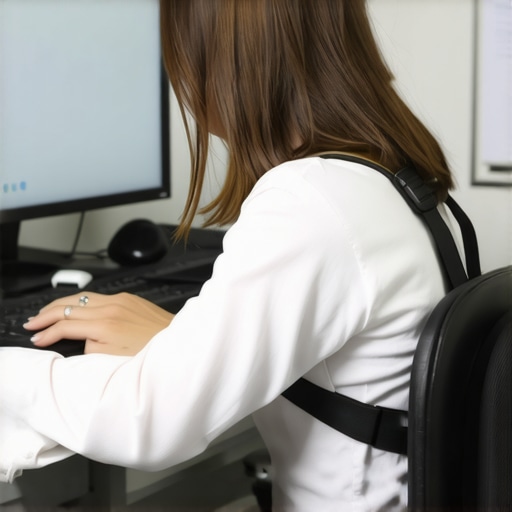
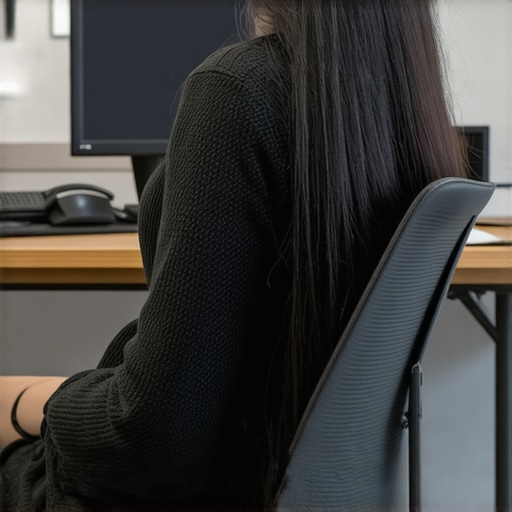
Start by choosing a chair or seat that supports your lower back—like a cushioned bench with a slight incline. When I first tried this at a bustling cafe, I used a folded sweater as lumbar support, which immediately reduced my lower back strain. Once settled, ensure your feet are flat on the ground, and your knees are at a 90-degree angle. This position maintains spinal neutrality and prevents slouching, much like properly balancing a camera on a tripod to stabilize the shot. Proper support prevents your spinal discs from compressing unevenly, which can lead to chronic pain. For more insights, visit this detailed posture guide.
Position Your Laptop for Ergonomic Comfort
Place your laptop screen at eye level, so you don’t need to crane your neck down or tilt your head back. I found stacking my laptop on a sturdy stack of books brought the screen up to my eye level—an easy fix that prevents the forward head posture that leads to neck tension. Use an external keyboard and mouse to keep your arms at a comfortable 90-degree bend. Think of your neck as a string: if you keep it aligned with your spine, you prevent that dreaded “tech neck”. A misaligned neck over time is like a car with a crooked steering wheel—you’ll notice uneven wear and tear. To deepen your understanding, check out expert methods for neck relief.
Adopt Movement and Stretch Strategies
Even with a perfect setup, staying still for too long causes stiffness. Set a timer for every 30 minutes to stand, stretch, or walk around—like giving your body a quick reboot. I remember one session where I performed gentle neck rolls and shoulder shrugs I learned from mobility tips, which instantly relieved tension. Incorporate movements such as hip tilts, chest openers, and spinal twists to keep your muscles flexible and joints lubricated. These small actions resemble routine oil changes for a machine, keeping everything running smoothly and preventing breakdowns.
Master the Micro-Adjustments for Long-Term Relief
Fine-tuning your position is key. For instance, when I noticed persistent tension in my upper back, I adjusted my monitor tilt slightly downward and shifted my chair closer—these subtle moves eased my shoulder strain. Using smaller adjustments throughout your work session can prevent minor discomforts from escalating into chronic problems. Think of it like tuning an instrument—small tweaks make a significant difference over time. Regularly evaluate your posture; ask yourself if your neck remains relaxed and your back supported. If you notice ongoing discomfort, consider seeking professional guidance from a chiropractor, who can help restore your mobility and address underlying issues, as detailed here. This approach ensures that your on-the-go work setup becomes a sustainable, pain-free routine, keeping you productive and free from discomfort.
Many believe that stretching relentlessly or performing endless mobility drills will instantly fix chronic neck and back pain. However, as an expert in spinal health, I’ve seen this approach often backfire. The common myth is that increased flexibility directly equates to better health, but in reality, oversimplifying mobility overlooks crucial nuances. Excessive stretching without addressing underlying joint restrictions can actually destabilize the spine and exacerbate issues. Think of it like loosening the bolts on a bridge — without proper stabilization, the structure becomes fragile. A more effective approach involves targeted mobility work combined with professional intervention, such as chiropractic adjustments, to restore optimal joint function. For a comprehensive guide, check out this detailed explanation of back pain and mobility.
Keep It Working: My Essential Tools for Long-Term Relief
Maintaining spinal health doesn’t rely solely on correct posture or chiropractic adjustments—it also involves using the right tools that support these efforts. Over the years, I’ve honed a set of equipment and techniques that have truly made a difference in my daily routine. Let me share some specifics to help you sustain your mobility and comfort long-term.
The Ergonomic Desk Setup That Lasts
One game-changing tool I rely on is a sturdy, height-adjustable monitor stand. This ensures my screen remains at eye level, preventing forward head posture—a common culprit behind chronic neck tension. Pairing this with a wireless mechanical keyboard and a vertical mouse has allowed me to type comfortably for hours without strain. The tactile feedback of mechanical keys and the ergonomic design of the mouse reduce fatigue and promote proper wrist and arm positioning, which indirectly benefits my spine. Visit this guide for more tips on ergonomic workspace essentials.
Tools and Techniques to Enhance Mobility
I incorporate resistance bands into my daily mobility routine, especially for gentle thoracic and hip mobilization. These bands are affordable, portable, and versatile. I personally use a medium-resistance band to perform extension and rotation exercises, which keep my spine flexible and help prevent stiffness from creeping in. According to recent studies, targeted mobility work with resistance tools can significantly improve long-term spinal health (source). I recommend incorporating a short session of band exercises each day to reinforce flexibility.
Leveraging Massage Tools for Muscle Maintenance
A foam roller is indispensable for me. I use a firm-density foam roller to perform my myofascial release, especially on my upper back and paraspinal muscles. Rolling out tight areas helps improve circulation, reduce muscle tension, and support better posture. I focus on slow, deliberate rolls, avoiding any pain but aiming for a gentle release. Regular use of foam rollers can prevent the buildup of trigger points that often lead to discomfort. For guidance, this resource offers detailed instructions.
Monitoring Progress with Tech
Tracking mobility and posture over time can be challenging, which is why I use a posture-correcting app on my smartphone. These apps provide real-time feedback and reminders to maintain good alignment throughout the day. They help me recognize tendencies to slouch or crane my neck, enabling quick corrections. Emerging wearable tech, like posture sensors, is also becoming more accurate and affordable, promising even better long-term management. As experts suggest, combining these tools with professional care creates a comprehensive strategy for sustained health (more info).
How do I maintain these tools over time?
Consistency is key. Establishing a daily routine that includes quick mobility drills, ergonomic adjustments, and periodic use of release tools ensures your spine remains resilient. Regular check-ins with a chiropractor can also optimize your setup and address emerging issues before they become chronic. I recommend setting a calendar reminder every few months to reassess your tools and techniques, keeping your spinal health sustainable for years to come. Incorporate one new tip from this list—like trying resistance band exercises—and notice how your comfort improves over time. Remember, investing in these tools isn’t just about quick relief; it’s about building a resilient foundation for all your daily activities. For deeper insights into maintaining mobility naturally, this article is a great resource.
What I Wish I Knew When I Started Prioritizing Spinal Health
One of the most eye-opening lessons I learned is that even small, mindful adjustments in my daily routine had a profound impact on my back and neck pain. I used to believe that intense stretching or frequent visits to a chiropractor alone would resolve all issues, but I discovered that consistency and micro-corrections in my posture saved me from recurring discomfort. Recognizing the importance of proactive micro-adjustments, like aligning my monitor or taking brief movement breaks, transformed my experience drastically.
Another insight that changed my approach was understanding that ergonomics isn’t just about equipment—it’s about habits. Simple behaviors, like crossing legs or holding my phone at awkward angles, compounded over time and worsened my condition. The key was developing awareness and integrating ergonomic principles into my daily routines, giving me long-term relief rather than temporary fixes.
Lastly, I realized that inner awareness plays a huge role. Paying attention to signals from my body—like subtle tightness or tingling—alerted me early before pain escalated. Learning to listen and respond with appropriate stretches, posture tweaks, or movement ensured I remained resilient, even during long days of work or leisure.
My Toolbox for Persistent Mobility and Pain Relief
Over the years, I’ve curated a collection of tools that keeps my spine healthy and my mobility flexible. A high-quality, adjustable monitor stand ensures I maintain proper eye level, preventing neck strain—something I now attribute to consistent posture habits. External keyboards and ergonomic mice have also become staples, helping me maintain neutral wrist and arm positions.
Resistance bands are among my favorites—they’re versatile for thoracic and hip mobility exercises that you can do anywhere. I trust these resistance techniques because they provide gentle, targeted relief and build resilience.
Foam rollers are essential for mymyofascial release, helping me ease tight muscles that could pull my spine out of alignment. Combining these with weekly professional chiropractic adjustments—like those I discuss here—creates a synergy that sustains my health. Additionally, posture monitoring apps keep me vigilant, providing real-time reminders to correct tendencies before they become problematic.
This curated set of tools empowers me to take an active role in my spinal wellness, proving that sustained, small efforts can lead to remarkable improvements in mobility and comfort. If you’re serious about long-term relief, integrating these into your routine can make all the difference.
Seize Control and Elevate Your Mobility Journey
The journey toward a pain-free, mobile life is ongoing, but the good news is that every small step counts. Your proactive choices—whether adjusting your workspace, incorporating mobility tools, or simply tuning into your body’s signals—are powerful. Remember, the path to better posture and spinal health isn’t about quick fixes; it’s about creating habits that support your movement every day. Invest in yourself, stay curious, and let your commitment to health redefine what’s possible.
What’s one small habit you’re willing to start today to improve your neck or back comfort? Share below—your journey might inspire others!