How Tight Calves are Secretly Pulling on Your Back
Last week, I found myself doubled over after a simple morning walk. My back ached, stiffness set in, and I knew something was off – but I couldn’t quite put my finger on it. That moment struck me hard: how often do we overlook the tiny, seemingly harmless parts of our body that might be silently sabotaging our health? For me, it was tight calves, a nagging tightness I always dismissed as no big deal, but which had quietly been pulling on my back all along.
Why Your Calves Might Be the Hidden Culprit of Chronic Back Discomfort
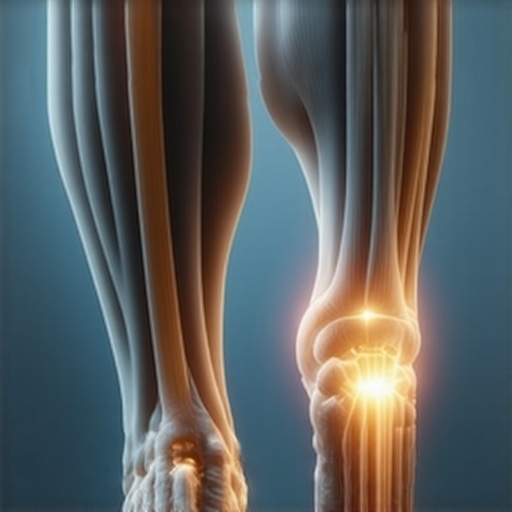
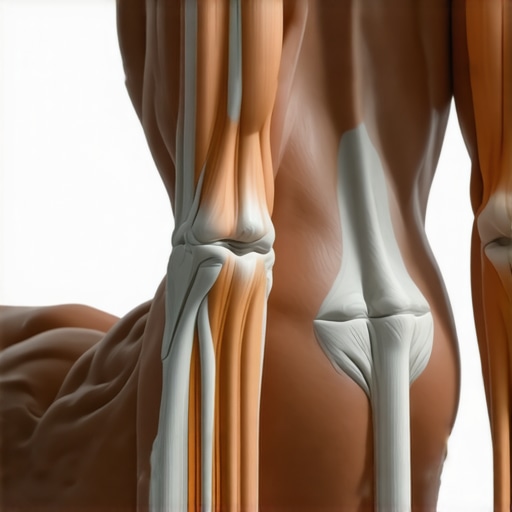
It turns out, tight calf muscles aren’t just about sore legs or difficulty in walking. They can actually influence your entire posture and spinal health. When your calves are tight, they can cause your pelvis to tilt forward or backward, throwing off your alignment and creating strain higher up in your back. This connection is subtle but powerful—what happens at your feet can ripple all the way up to your neck and shoulders. I’ve made many mistakes early on, such as ignoring calf tightness or dismissing it as purely lower-leg discomfort—trust me, that’s a mistake you don’t want to make if you’re battling ongoing back pain. Recognizing and addressing this overlooked source can transform how you feel every day.
Ever Wondered If Your Lower Legs Are Why Your Back Doesn’t Feel Right?
This realization reshaped my approach. I learned that flexible calves are a cornerstone of good spinal health. Curious if you’ve been suffering from the same silent pull? Take a moment to reflect—do you experience tightness in your calves after workouts or long walks? Or maybe you feel that nagging ache in your lower back that just won’t go away, even with regular stretching? These could be clues pointing straight at your calves. Improving calf flexibility isn’t just about easing leg pain; it can significantly lessen back discomfort and boost overall mobility. For an in-depth look at how body parts work together in harmony, check out how chiropractic care enhances movement.
Ready to discover how tiny adjustments can make a massive difference? Let’s dive into the practical steps to release calf tightness and reconnect with a comfortable, pain-free back.
Targeted Calf Stretching Exercises
Start by standing facing a wall with one foot forward and the other extended back. Place your hands on the wall for support. Gently bend the front knee while keeping the back heel flat on the ground. Feel the stretch in your calf muscle. I remember doing this after a long day of walking; within minutes, my calves felt looser, and I noticed less pull in my lower back.
Hold and Breathe
Maintain the stretch for 30 seconds, focusing on deep breaths to relax the muscle. Repeat 3 times per leg. During my first attempt, I was too tense and didn’t relax enough, which limited effectiveness. Consistent holding and breathing make a significant difference.
Implement Foam Rolling for Calves
Use a foam roller to relieve muscle tightness. Sit on the ground, place the foam roller under your calves, and gently roll from the Achilles tendon to just below the knee. Apply moderate pressure; avoid pain. I once spent five minutes rolling each calf, and the sensation of knots softening was remarkable. This simple act can improve flexibility, directly impacting your pelvis alignment and reducing back stress.
Focus on Trigger Points
Pause on tender spots for 15-20 seconds while lightly applying pressure. This releases stubborn knots. Remember, the goal isn’t to cause pain but to relax the muscle fibers, making subsequent stretches more effective.
Incorporate Dynamic Movements
Perform dynamic ankle and calf movements to increase blood flow and flexibility. For example, do ankle pumps: point your toes up and down repeatedly. During my routine, I noticed that these movements alleviated stiffness and prepared my calves for deeper stretching, further supporting proper pelvic tilt and spine health.
Practice Daily for Lasting Relief
Consistency is key. After a week of daily routines, I experienced a noticeable decrease in lower-back discomfort. Building this habit enhances calf elasticity over time, which prevents the pelvis from tilting and strains the back muscles—an often overlooked yet crucial correction for chronic pain sufferers.
Align and Strengthen Posture
Complement calf flexibility with posture awareness and core strengthening. Keep your pelvis neutral during daily activities and engage your abdominal muscles. Reflecting on my own experience, I added brief core exercises and noticed an additional reduction in back tension. For comprehensive strategies, check out how chiropractic care enhances movement.
Many individuals assume that all chiropractic care is about quick fixes or that cracking joints is the sole focus. However, this oversimplification overlooks the nuanced approach top chiropractors take, emphasizing holistic evaluation and personalized strategies. For example, excessive focus on cracking without addressing underlying posture or movement patterns can lead to temporary relief but not long-term recovery. An advanced misconception is that chiropractors can only treat acute injuries; in reality, they are equally skilled at managing chronic issues through detailed assessment and tailored interventions. It’s important to recognize that underlying factors like proprioception deficits or motor control issues often require specific correction beyond spinal adjustments. In fact, relying solely on adjustments without strengthening and mobility work might result in the recurrence of symptoms. As experts explain, improving mobility and addressing neuromuscular control are essential for sustainable outcomes. Beware the trap of seeking only symptomatic relief—true progress involves comprehensive care that considers the body’s interconnected systems. Moreover, some assume that pain is purely local; in reality, symptoms often stem from distant dysfunctional areas, like foot biomechanics affecting back health. This interconnectedness underscores the importance of a full-body assessment rather than isolated treatment. Recognizing these nuances ensures you get effective, lasting results rather than temporary patchwork solutions. Want to dig even deeper? Check out wellness experts’ insights on comprehensive pain management strategies. Have you ever fallen into this trap? Let me know in the comments.
Keeping your body in optimal condition requires more than just occasional stretches and good posture; it demands the right tools and strategies to support sustained health. Over the years, I’ve refined my toolkit to include specific equipment and methods that deliver consistent results. One such indispensable item is the professional-grade foam roller. Unlike budget options, my preferred foam roller features firm density and a textured surface that targets trigger points effectively, allowing me to release muscle knots in my calves, hips, and back. This facilitates better alignment and can prevent minor discomfort from escalating into chronic pain. Regular foam rolling, especially with quality tools, aligns with insights from mobility experts, emphasizing its role in long-term pain management.
In addition to manual tools, I rely heavily on percussive therapy devices. The TheraGun or similar percussion massagers provide deep tissue treatment that breaks up adhesions and improves circulation. I’ve incorporated daily sessions into my routine, which help maintain tissue elasticity and reduce soreness, especially after lengthy periods of sitting or intense activity. These devices are practical for home use and save me trips to the chiropractor, aligning with future trends pointing toward personalized, tech-assisted recovery methods.
Software also plays a crucial role. I utilize mobility tracking apps to monitor progress and ensure consistency. Programs like the MobilityWOD platform or simple habit trackers keep me accountable and help identify emerging issues before they become serious. The key is integrating digital tools with hands-on care for a comprehensive approach.
For addressing neck and back pain specifically, I recommend corrective posture devices such as wearable posture trainers. These gadgets gently remind you to maintain proper alignment during daily activities, reducing strain over time. When combined with targeted exercises and chiropractic adjustments, they create a robust support system for long-term health.
How do I maintain mobility and prevent setbacks over time?
Consistency is vital. I dedicate a few minutes each day to a combination of foam rolling, percussive therapy, and posture exercises. Periodic assessments with a chiropractor help fine-tune my routine, ensuring that I stay on track. Looking ahead, I believe the integration of smart wearables and AI-driven analytics will revolutionize how we maintain spinal health, offering personalized insights and adaptive routines. To get started, try incorporating a high-quality foam roller into your daily routine for at least five minutes. It’s a simple yet profoundly effective step toward long-term mobility and pain prevention. For tailored advice, don’t hesitate to reach out and schedule an assessment. Your body’s health is an ongoing journey—equip yourself with the right tools and expert guidance to keep it working smoothly.
In my years of practicing chiropractic care and guiding patients through mobility challenges, I’ve uncovered that sometimes the most overlooked areas hold the key to lasting relief. One profound lesson I learned is that calf flexibility isn’t just about performance or preventing cramps—it’s deeply intertwined with spinal health. Tackling calf tightness transformed not only my approach but also the outcomes of many patients battling chronic back discomfort.
The Surprising Wisdom From My Journey with Calf Muscles
One lightbulb moment was realizing how tight calves pull at the pelvis, influencing posture and creating a chain reaction of strain in the back. Addressing this area often yields results that traditional stretches for the back or hips alone can’t achieve. I’ve seen firsthand how consistent calf release routines diminish back pain, proving that small, targeted adjustments can lead to significant, sustainable improvements.
My Go-To Tools That Seamlessly Enhance Mobility
Over time, I’ve curated a toolkit that emphasizes the importance of quality and consistency. The foam roller with textured, firm density has been a game-changer, releasing trigger points and improving flexibility. Pairing this with percussive therapy devices like the TheraGun helps maintain tissue health, especially after long days of practice or patient sessions. These tools, combined with apps like mobility tracking, empower me to stay proactive and precise in my routine, ensuring lasting results.
The Power of Small Consistent Shifts
Integrating daily calf stretches and foam rolling became a cornerstone of my personal wellness regimen. I learned that these small acts, when performed consistently, can realign pelvic position and alleviate back stress. This approach emphasizes a holistic view—treating the body as an interconnected system, where even tiny adjustments can have ripple effects on health and mobility. Curious about integrating these practices into your routine? Check out how chiropractic care enhances movement for deeper insights.