How to tell if your shoulder blade pain is actually a rib issue
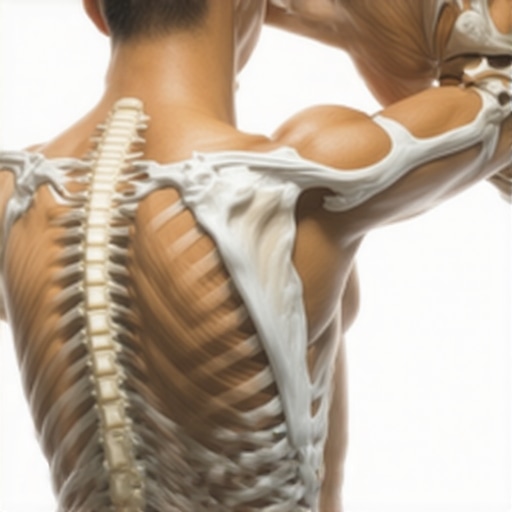
I remember the moment vividly—jingling car keys in my hand, trying to reach into the backseat, and suddenly, a sharp pain shot through my shoulder blade. It wasn’t the usual dull ache; it was intense, almost as if I’d been punched. The worst part? I had no idea whether it was a muscle strain, a pinched nerve, or something more mysterious like a rib problem. It was frustrating because I didn’t immediately know what to fix or how to get relief.
Unlocking the Mystery: When Shoulder Blade Pain Is More Than Just Muscles
That lightbulb moment led me onto a journey of understanding my body better. I discovered that shoulder blade discomfort can sometimes be a sign that your ribs aren’t moving properly, not just muscular tension. The tricky part? It’s easy to dismiss these pains as just
Start With Gentle Mobility Exercises
Place your hands on your shoulders and perform slow circular motions, focusing on smooth movement without pain. I once used this simple move during a busy day when shoulder tension crept in, and it provided immediate relief, helping me relax my muscles and restore some range of motion.
Incorporate Stretching to Release Tight Muscles
Target the pectoral muscles and upper back by doing doorway stretches: stand in a doorway with your arms at 90 degrees, gently step forward to feel the stretch across your chest. This mirrors how I showed a client to loosen tight tissues that were pulling on her shoulder blade, improving her posture over time.
Practice Rib and Thoracic Mobility
Use Breathing Techniques to Unlock Ribs
Deep, diaphragmatic breathing helps mobilize your ribcage. Lie on your back, place a hand on your belly, and focus on expanding your ribs with each inhale. I found this especially effective after sitting all day — it often shifted the timing of discomfort and improved movement.
Engage in Thoracic Extensions
Position yourself on hands and knees, then gently arch your upper back towards the ceiling, like a Cat-Cow stretch. During one chaotic week, I practiced this daily, which gradually decreased my shoulder blade pain caused by restricted rib movement.
Adjust Your Posture During Daily Activities
Be mindful of your desk and sitting posture. Ensure your workspace promotes proper alignment: monitor at eye level, feet flat on the ground, and shoulders relaxed. I remastered my sitting habits, which significantly reduced the tension migrating to my shoulder blades.
Utilize Self-Myofascial Release Techniques
Use a foam roller on the upper back and sides of your chest to loosen fascia and reduce muscle tightness. I once struggled with persistent discomfort until I incorporated this technique, which helped my tissues become more pliable, easing the pain.
Gradually Reintroduce Strengthening
Once mobility improves, add light resistance exercises like scapular squeezes or resistance band pulls to stabilize the shoulder blades. I started incorporating these after initial relief, noticing a significant decrease in recurrence of pain and better overall function.
Monitor and Adapt Your Approach
Keep track of what movements or stretches provide relief, and adjust as needed. Regularly practicing these steps and listening to your body maximizes improvement. Over time, I learned that consistency and gentle progression are key to preventing pain from returning, especially when addressing rib and shoulder mobility issues.
Many people assume that chiropractic care is solely about quick adjustments to relieve pain, but this oversimplification overlooks key nuances that can make or break your progress. A widespread myth is that once your pain subsides, your problem is solved—yet, in my experience, neglecting ongoing mobility exercises and posture habits often leads to relapse. Another misconception is that adjustments are a quick fix; in reality, consistent lifestyle changes, including proper ergonomics and targeted stretches, are foundational for lasting results. One trap to avoid is relying solely on passive treatments like adjustments without engaging in active movement strategies, which research shows are critical for optimal spinal health. For instance, studies highlight that combining chiropractic care with specific mobility routines enhances recovery outcomes better than adjustments alone (see this guide). Advanced patients should question whether their approach addresses underlying patterns—such as habitual poor posture or compensatory movement—that perpetuate issues. Proper assessment of these factors requires a nuanced understanding of neuromuscular coordination, which many overlook in favor of quick fixes. Before you dismiss the importance of this nuance, consider that neglected mobility can cause misalignments that are resistant to adjustments. An error I often see is practitioners or patients failing to distinguish between pain relief and true improvement; you might feel better temporarily but not rebuild resilience. This is why focusing on functional movement and stability exercises is essential, as discussed in this resource. So, before your next appointment or self-treatment, ask: are you addressing only symptoms, or are you working on the root causes? Remember, true progress depends on understanding these subtle yet impactful distinctions. Have you ever fallen into this trap? Let me know in the comments.
As you work towards keeping your spine healthy and your mobility intact over the long term, having the right tools at your disposal can make a significant difference. These aren’t just gadgets; they’re essential companions in your proactive approach to spinal wellness. From self-myofascial release to advanced assessment devices, I personally rely on specific equipment to monitor and improve my posture and movement.
Invest in a Quality Foam Roller and Massage Balls
I use a high-density foam roller daily to release fascia and muscle tension, especially after periods of prolonged sitting or vigorous activity. Its firm texture allows me to target tight areas effectively, reducing the risk of chronic discomfort. Complementing this, I’ve found small massage balls excellent for pinpointing trigger points in hard-to-reach spots like my thoracic muscles and around the shoulder blades. These tools help me maintain tissue pliability, which is vital for preserving mobility.
Utilize Posture Corrector Devices Carefully
Technology has advanced to include wearable posture monitors that provide real-time feedback. I recommend devices like the Upright GO, which gently alerts you when you slouch. These are invaluable for retraining subconscious habits, especially if you spend hours at a desk. Regular use reminds me to maintain awareness of my alignment, preventing small misalignments from turning into persistent issues. For sustained success, pair these gadgets with deliberate posture exercises discussed in our cornerstone post.
Strengthen with Resistance Bands and Suspension Trainers
To reinforce mobility gains and build stabilizer muscles, resistance bands and suspension trainers like TRX are indispensable. I utilize resistance bands for rotations and scapular retractions—both crucial for shoulder blade health and thoracic mobility. The suspension trainer allows me to perform functional, compound movements that replicate daily activities. Regular incorporation of these tools supports long-term stability, reducing the tendency for re-injury.
Advanced Assessment Tools for Progress Tracking
While simple tools are effective, when I’m serious about tracking progress, I look to apps and biofeedback devices. Technologies like 3D motion analysis cameras or even smartphone apps with posture-scanning features help identify subtle misalignments that might escape the naked eye. This data guides targeted interventions and ensures that home routines are on point, making your efforts more efficient.
Future of Mobility Maintenance
Looking ahead, I predict wearable sensors combined with AI-driven feedback will revolutionize personal mobility management. Continuous data collection will enable personalized, adaptive routines that evolve with your progress, making maintenance seamless and intuitive. For now, integrating these recommended tools into your routine can dramatically improve your long-term results.
How do I maintain mobility and spinal health over time?
The key is consistency and using the right tools to reinforce good habits. Regularly incorporating foam rolling, posture monitoring, resistance training, and progress tracking will keep your body resilient against setbacks. If you’re interested in diving deeper into strategies that support ongoing mobility, I suggest exploring our comprehensive mobility maintenance guide. Remember, the small daily investments in these tools will pay dividends in pain-free movement and lasting spinal health. For an immediate step, try integrating a resistance band workout focusing on scapular stability—it’s a game-changer for many of my patients.
Lessons Learned from My Mobility Journey
- One of the toughest lessons was realizing that quick fixes like adjustments offered relief but didn’t resolve underlying mobility issues. It taught me the importance of combining passive treatments with active, daily movement routines to achieve lasting health.
- I discovered that habits like poor posture at the desk can silently sabotage progress. Addressing these daily patterns is crucial—sometimes more than intense therapy sessions.
- Patience is key. Progress in spinal mobility isn’t instant; it requires consistent effort and mindful adjustments, which slowly build resilience and reduce pain.
- Personal experience showed me that embracing a proactive approach—using tools like foam rollers and posture monitors—empowers you to take control of your spinal health and prevent setbacks.
The Tools That Make a Difference in Your Mobility Path
- My trusted resource is the comprehensive guide on posture and mobility. It offers practical strategies rooted in expert insights, perfect for establishing a solid foundation.
- I rely on high-quality foam rollers and massage balls, which I’ve found essential for maintaining my tissue pliability. These tools help me stay ahead of tightness before it turns into pain.
- Posture correction devices like wearable monitors have transformed my awareness levels. They provide real-time feedback, helping me maintain healthy habits throughout the day.
- Resistance bands and suspension trainers are my go-to for strengthening stabilizers. They bridge the gap between mobility and functional strength, ensuring long-term resilience.
Your Next Step in Spinal Wellness Awaits
Remember, mastering spinal mobility isn’t about quick fixes but consistent practice and informed choices. By integrating these lessons and tools into your routine, you’re investing in a healthier, pain-free future. Don’t hesitate—take that first step today and reclaim your movement. How has prioritizing mobility changed your daily life? Share your experiences below and let’s grow together in this journey toward better spinal health.