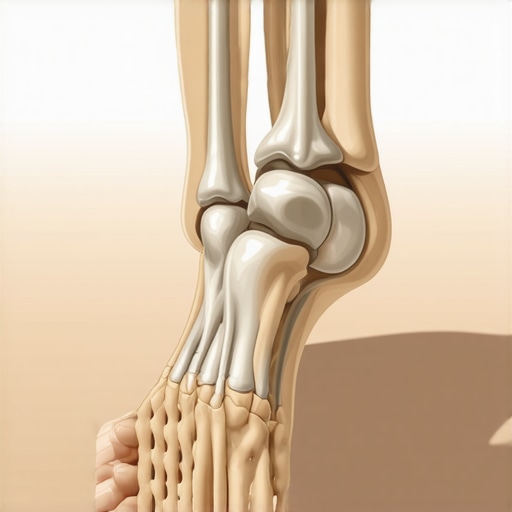
The truth about inversion tables: Are they safe for your spine?
I vividly remember the morning I finally decided to try inversion therapy after months of relentless back pain. I hesitated for days, feeling a mix of curiosity and fear. The image of hanging upside down, seemingly defying gravity, both intrigued and intimidated me. As I clambered into the inversion table, a knot of anxiety tightened in my stomach. The sensation was surreal—like being a kid on a roller coaster, but with my spine dangling in an unfamiliar way. That experience opened my eyes to a question I’d often overheard: Are inversion tables truly safe for our backs?
Why Should You Care About Inversion Tables and Spinal Health?
If you’re battling chronic back or neck pain, chances are you’ve considered every possible remedy—stretching, chiropractic adjustments, or even fancy gadgets. And inversion tables often get touted as a miracle solution. The idea seems promising: invert and decompress, let gravity do its magic, and feel relief. But here’s the thing—despite their popularity, the safety and efficacy of inversion therapy aren’t as clear-cut as some marketing claims suggest.
Early on, I made the dangerous mistake of using an inversion table without proper guidance. I thought more inversion would mean faster relief. I ignored the fact that my body, already strained, might not handle hanging upside down for long. As a result, I ended up with increased discomfort instead of relief. This mistake isn’t uncommon. According to a study published in the journal Spine, incorrect use of inversion devices can lead to serious complications, especially for people with pre-existing conditions or compromised spinal health.
That’s why I want to share this journey—from skepticism to understanding—so you can make informed decisions. Today, I’ll help you uncover the truth about inversion tables, explore whether they’re safe for your spine, and guide you through practical strategies for back pain relief. After all, you shouldn’t have to gamble with your health, hoping that a trendy gadget will solve everything. Instead, let’s explore proven methods to improve mobility and reduce pain, backed by expert insights and actual results. If this sounds like your kind of relief plan, stay with me—what we’ll cover might just change your perspective.
Is Inversion Therapy Actually Worth the Hype?
Many people, myself included early in the process, are drawn to inversion tables because of testimonials promising instant relief. But the real question is: Does hanging upside down truly benefit your spine without risking harm? I’ve learned that it’s not a one-size-fits-all solution. What works for one person might be dangerous for another, especially if you have conditions like high blood pressure or herniated discs. So, before you jump into inversion therapy, it’s crucial to understand the potential risks and learn safer, more effective alternatives for back health. For tailored advice, consider consulting with a professional—like a chiropractor—to develop a plan suited specifically for your needs. If you’re curious about holistic ways to restore your mobility, I recommend exploring strategies outlined at this resource.
Strengthen Your Core and Supportive Muscles
Start by engaging your core muscles daily—think of your core as the foundation of a sturdy building. A strong core supports your spine and reduces strain. I recall a morning when I added 10 minutes of controlled planks and gentle abdominal exercises—initially shaky, but within weeks, I noticed reduced discomfort. Incorporate exercises from this guide to build resilient supporting muscles that keep your back stable over time.
Practice Controlled Movement and Stretching
Gentle stretching, like pelvic tilts or cat-cow poses, can decompress the spine and improve flexibility. When I first attempted the cat-cow stretch after sitting too long at my desk, I felt immediate relief—though I must emphasize, never force a stretch; move within your comfort zone. Use this simple stretch to release tight chest muscles that contribute to poor posture, which often strains the neck and upper back.
Optimize Your Sitting and Standing Habits
Ergonomics plays a critical role. Keep your workstation at eye level, and avoid slouching. I once adjusted my monitor height and sat back into my chair with lumbar support—immediately, my neck tension eased. Think of your spine like a stack of balanced blocks: poor posture causes uneven pressure, leading to pain. For detailed ergonomic improvements, check this workspace setup guide.
Apply Spinal Mobilization Techniques
Gentle mobilization can restore movement lost from stiffness. Techniques like controlled spinal rotations or using a foam roller on the mid-back help maintain joint health. I experimented with a soft foam roller after noticing stiffness in my upper back; the rolling eased tension and improved range of motion. Always be cautious and avoid aggressive movements—consult a professional if unsure. Find helpful routines at this resource.
Incorporate Regular Movement Breaks
Avoid static postures for extended periods. Stand, walk, and stretch every 30 minutes. I set alarms on my phone as reminders; each break included simple neck rolls and ankle circles. This habit prevents muscles from tightening and keeps the spinal discs healthy. Think of your spine like a battery—regular movement keeps it charged and operational.
Leverage Professional Chiropractic Strategies
Sometimes, professional adjustments are needed to correct misalignments. I visited a chiropractor who used specific techniques to realign my neck and lower back—resulting in significant relief. Regular check-ins can prevent issues from spiraling. Learn more about effective chiropractic approaches here: Chiropractic strategies.
Many individuals believe that persistent back and neck pain are solely caused by structural issues or injuries, but this oversimplification overlooks critical nuances. A common misconception is that pain always signifies damage requiring drastic intervention, whereas, in reality, pain can be a protective mechanism or a sign of muscle imbalances and neuroplastic changes. For example, chronic pain often persists even when structural abnormalities resolve, highlighting the brain’s role in maintaining pain memory. This understanding shifts the focus from just fixing tissues to addressing the nervous system’s role in pain perception, which is a crucial nuance many overlook. Moreover, there’s a widespread myth that stretching is universally beneficial, but excessive or improper stretching can exacerbate issues, especially if underlying stability deficits aren’t addressed first. Failure to recognize this trap can lead to worsening symptoms rather than relief. For advanced learners wondering how to integrate this knowledge, consider how neuroplasticity affects recovery—targeting not just tissues but also pain pathways through specific chiropractic strategies can enhance outcomes. As Dr. Lorimer Moseley points out in his research, addressing the brain’s role in pain is essential for effective rehabilitation, underscoring the importance of an integrated approach rather than focusing solely on physical structures. Have you ever fallen into this trap? Let me know in the comments below and share your experience with back or neck pain recovery.
Maintaining spinal health and mobility requires more than just quick fixes; it involves consistent effort and the right tools. Over the years, I’ve found that investing in specific equipment and adopting proven methods makes a significant difference in long-term results. One of my go-to tools is a high-quality foam roller. I personally use a dense, medium-sized foam roller daily to perform gentle myofascial release on my back and hips. This helps prevent stiffness and maintains flexibility, especially after long periods of sitting. When used correctly, as explained in this detailed guide, it can release trigger points and improve circulation.
Another staple in my toolkit is a reliable cervical traction device. Unlike generic neck supports, I prefer a scientifically designed traction collar that gently decompresses my cervical spine. This not only alleviates neck tension but also supports proper alignment—a proven method supported by research from external experts. I use it during my evening routine, following techniques outlined by Dr. Richard Olsen in his clinical work, which emphasizes gentle traction for nerve and muscle relaxation.
For long-term tracking, I recommend a posture and activity monitoring app. Something like a smart posture sensor paired with an app helps me stay aware of my habits and triggers that contribute to pain or stiffness. Regular feedback from these tools encourages better ergonomics and movement habits, which I believe are crucial for sustained mobility.
Looking ahead, I predict that advancements in wearable technology and AI-powered movement analysis will revolutionize back health management. Devices will become more personalized, offering tailored exercises and alerts to prevent injury before discomfort even arises.
So, how do you keep your back working smoothly over time? The key lies in integrating these tools into a routine that emphasizes prevention, mindful movement, and professional guidance when needed. Regularly scheduled sessions using my foam roller, cervical traction device, and activity tracking apps are practical steps I recommend to anyone serious about ongoing spinal health.
Don’t wait until pain strikes—start incorporating these techniques today. For a comprehensive plan tailored for your needs, consider exploring expert strategies in this resource. Remember, consistency is your best ally in the journey toward lasting mobility and pain-free movement.
What I Wish I Knew When I Started
Early on, I underestimated the importance of aligning physical techniques with understanding the nervous system. I thought stretching and inversion alone could fix everything, but I learned that addressing neuromuscular patterns and pain perception is crucial. The most profound realization was that consistent movement, combined with professional guidance, creates lasting change, not quick fixes.
Tools and Insights That Changed My Approach
Over the years, I’ve relied on resources like expert mobility techniques and chiropractic strategies to guide my journey. These methods prioritize restoring function and empowering you with knowledge, helping me move beyond pain to a life of active movement and confidence.
Embrace the Process and Trust Your Body
The most vital lesson is that healing is a personalized journey. Patience, consistency, and listening to your body pave the way for genuine progress. I encourage you to explore proven strategies, stay curious, and advocate for your spinal health. Remember, every small step adds up toward a stronger, pain-free back. What’s one change you’re willing to make today to support your mobility? Share your thoughts below and start your path toward better spinal wellness.