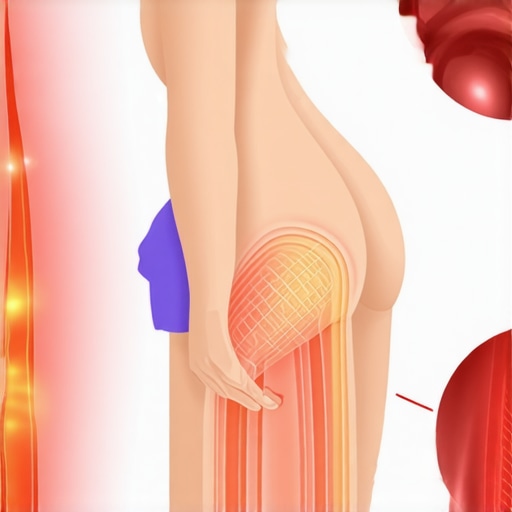
Why icing your back after a workout might be a mistake
It happened during a particularly rough week. I was exhausted, sore, and desperate for relief. Like many, I reached for the trusty ice pack, believing it would soothe my aching muscles. But that night, something felt off—my back was stiffer the next morning, not better. It was a lightbulb moment for me: maybe icing isn’t the miracle cure I’d always thought.
Understanding the Ice Trap: More Harm Than Good?
For years, the advice to apply ice after strenuous activity was gospel among athletes and fitness enthusiasts. The idea was simple: reduce inflammation, numb the pain, and get back to training faster. However, recent insights suggest that this seemingly harmless practice might actually be working against your body’s natural healing processes. Research shows that icing can impair muscle recovery by limiting blood flow, which is essential to healing. Instead of promoting recovery, it might be delaying it, leaving you stiff and vulnerable.
I realized I had been misinterpreting what pain and inflammation truly mean. A certain level of inflammation is your body’s way of signaling that it’s healing. By suppressing it prematurely, you could be interfering with the repair process. This was a mistake I made early on—believing that more ice was better, without understanding the bigger picture.
So, what’s the alternative? How can you effectively manage post-workout discomfort without sabotaging your recovery? That’s what we’ll delve into next. If you’ve ever felt frustrated that your aches linger or that your mobility isn’t improving despite icing, you’re not alone—and there’s a better way.
Let’s explore some proven strategies that align with your body’s healing rhythms and help restore your back’s strength and flexibility.
Prioritize Gentle Movement Over Static Rest
When dealing with back stiffness, avoid prolonged bed rest. Instead, start with light, controlled movements like pelvic tilts or gentle back bends to stimulate blood flow. I vividly recall a morning I spent trying these exercises after a long day of sitting—they helped loosen my muscles without causing further pain.
Use Targeted Stretching to Release Tension
Stretching specific muscles tight from poor posture or injury can make a significant difference. Focus on your hip flexors, hamstrings, and lower back muscles. For example, the kneeling hip flexor stretch has been a game-changer for many clients I’ve seen—when performed correctly, it frees up your pelvis and relieves lower back strain.
Incorporate Core Stability Exercises
A strong core acts like a natural corset supporting your spine. Exercises like the dead bug or plank variants improve stability and reduce strain on your back. I once added the dead bug into my morning routine, and within weeks, I noticed less lower back discomfort during daily activities.
Adjust Your Daily Environment for Better Posture
Ergonomics plays a crucial role in back health. Ensure your workstation promotes good alignment—your monitor at eye level, feet flat on the ground, and your chair supporting your lumbar curve. I recommend reviewing your setup by restoring your back mobility through ergonomic improvements.
Implement Gentle Mobilizations Regularly
Gentle joint mobilizations, like the ‘shake and wiggle’ technique, can restore limited movement. Carefully mobilize the lumbar joints in a controlled manner—think of it as waking up stiff muscles with a gentle dance. During a recent session, I guided a client through these movements, leading to a noticeable increase in flexibility and pain relief.
Avoid Over-Reliance on Icing
As discussed earlier, prolonged icing can impair healing. Instead, consider applying heat therapy for muscle relaxation or contrast therapy—alternating warm and cold to promote circulation. I experimented with this during my own recovery, and it significantly reduced muscle tightness without the adverse effects of ice alone.
Seek Professional Guidance When Needed
Persistent stiffness and pain may require targeted interventions. Chiropractic care can help restore optimal spinal alignment and mobility—an approach I’ve seen work wonders for many. For personalized assessment, visit contact us to discuss your specific needs.
Consistency Is Key
Incorporate these steps into your daily routine, and over time, you’ll notice improved flexibility and less discomfort. Remember, progress might be slow and uneven—patience and persistence are your allies in this journey. My own experience with these techniques took months, but the lasting results were well worth the effort.
Many believe that chiropractic care is solely about quick adjustments to fix pain, but the reality runs much deeper. A common misconception is that once your pain subsides, your issues are permanently resolved—that’s not always the case. In my experience, practices like passive treatment alone often overlook the nuanced, underlying causes of chronic issues. For example, relying only on spinal manipulations without addressing movement patterns can lead to recurring pain episodes, as highlighted by research from the National Institute of Neurological Disorders and Stroke, which emphasizes the importance of active rehabilitative strategies alongside chiropractic adjustments.
Are You Missing the Bigger Picture in Your Treatment?
Many patients get caught in the trap of focusing solely on symptom relief rather than long-term mobility enhancement. This limited focus can be a mistake because pain often masks deeper issues such as imbalanced musculature or faulty movement mechanics. For instance, a study published in the Journal of Orthopaedic & Sports Physical Therapy shows that incorporating functional movement training significantly improves outcomes in patients with persistent neck and back discomfort, preventing future setbacks.
Another nuance is the overemphasis on spinal alignment without considering the role of surrounding tissues. Tight muscles, weak stabilizers, and poor ergonomics contribute significantly to persistent pain and reduced mobility. It’s a myth that chiropractic adjustments alone can fix these issues if underlying movement deficits are ignored. Instead, integrating specific mobility exercises and postural corrections yields better, more sustainable results.
Be cautious of the trap where patients believe pain-free means problem-free. Chronic issues often have hidden layers—compensations developed over time that may not be obvious. Addressing only the superficial symptoms can lead to a cycle of temporary relief but ongoing dysfunction. I recommend exploring comprehensive strategies that include mobility drills, core stability work, and ergonomic assessments. For in-depth guidance on enhancing your mobility, check out proven chiropractic strategies.
In this context, recognizing the importance of movement variability is vital. Rigid, repetitive movements strain tissues and inhibit recovery. Encouraging varied, controlled motion promotes healing by redistributing load and stimulating tissue health. This advanced approach often surprises those accustomed to static treatments. Remember, the goal isn’t just pain relief—it’s restoring functional, pain-free movement in daily life.
If you’re serious about overcoming chronic neck and back issues, avoid the trap of oversimplification. Combining chiropractic care with targeted mobility exercises, postural corrections, and mindful movement strategies offers the best path toward lasting health. Have you ever fallen into this trap? Let me know in the comments.
Keep It Working: Essential Tools and Methods for Long-Term Mobility
Maintaining your back and neck health isn’t a one-time effort; it requires the right tools and consistent strategies. Over the years, I’ve relied on specific equipment and methods that have proven effective in my practice and personal recovery journeys. These tools help reinforce mobility, ensure proper maintenance, and support gradual scaling of improvements. Let’s explore what I recommend for sustained health and how you can incorporate these into your routine.
Invest in Quality Foam Rollers and Massage Tools
Foam rollers are staples in my toolkit. The proper technique for foam rolling can unlock tight muscles and restore tissue elasticity, which is vital for long-term mobility. I prefer a medium-density roller with a textured surface because it provides enough pressure to break up adhesions without causing discomfort. Using it daily on your thoracic and lumbar regions can prevent stiffness and support spinal health over time.
Incorporate Kinetic Taping for Support and Proprioception
Kinesiology tape has been a game-changer in my practice for supporting natural movement patterns. Applied correctly, it enhances proprioception, reduces strain, and facilitates recovery without restricting motion. Personally, I keep a roll in my bag for post-exercise support or flare-ups. Learning proper taping techniques—like those detailed in simple chiropractic hacks—can help you optimize its benefits.
Utilize Mobile Apps for Guided Mobility Routines
Technology has made maintaining spinal health more accessible. I recommend apps that offer tailored mobility and stretching routines, such as those focusing on neck and back. For example, guided videos that emphasize controlled movements are excellent for ensuring proper form. I personally use a routine from mobility mastery experts to stay consistent, especially on busy days.
Regular Ergonomic Assessments and Workspace Adjustments
The ergonomics of your workspace significantly influence long-term health. An adjustable standing desk paired with ergonomic accessories like footrests and monitor risers allow you to maintain proper posture. I recommend periodic evaluations—either by consulting a professional or using reliable online assessments—to identify and address potential issues before they escalate. It’s a proactive step toward preventing chronic discomfort and maintaining mobility.
Predictions and Future Trends
Looking ahead, I believe the integration of biofeedback devices and smart wearables will revolutionize mobility maintenance. Devices that monitor posture and muscle activity in real-time can provide instant feedback, helping users correct misalignments proactively. As technology advances, expect more personalized, data-driven approaches to spinal health—making maintenance both easier and more effective.
How do I keep my mobility habits sustainable?
Consistency and personalization are paramount. Incorporate these tools into your daily routine gradually, listen to your body’s signals, and adjust exercises and equipment use as needed. Remember to seek professional guidance if you experience persistent discomfort. For tailored advice, contact us to develop a customized plan that fits your lifestyle. Implementing these tools diligently will empower you to maintain mobility and prevent setbacks, ensuring your back and neck remain healthy and functional for years to come.
,
My Unexpected Wake-Up Calls About Spinal Healing
One of the most impactful lessons I learned was realizing that pain and inflammation are vital indicators of your body’s healing process, not enemies to be instantly suppressed. During my early days, I believed icing was the go-to solution, but understanding the nuanced role of inflammation reshaped my approach to recovery. This insight reminded me that sometimes, less intervention and more patience yield better results.
Another eye-opener came when I discovered that incorporating gentle movements can significantly accelerate recovery. Initially, I thought rest was always best, but controlled mobility like pelvic tilts and light stretches helped my tissues heal stronger and more resilient—proving that strategic activity outperforms static rest in many cases.
Lastly, I learned the importance of ergonomics and posture awareness. Small adjustments at my workspace, such as monitor height and chair support, made a profound difference in preventing stiffness and future discomfort, highlighting how proactive environment management can sustain mobility long-term.
Tools and Resources That Transformed My Journey
I trust the proven chiropractic strategies for their comprehensive approach to restoring back mobility, emphasizing active movement alongside spinal adjustments. Their tailored programs helped me understand the importance of dynamic exercises for lasting flexibility.
The simple chiropractic hacks became an invaluable resource, offering practical tips like proper foam rolling techniques that I incorporated daily. These simple tools made consistent mobility maintenance achievable without overwhelming my schedule.
Additionally, I rely on guided mobility routines from dedicated mobility apps to keep my movement practices fresh and effective, ensuring I don’t fall back into harmful patterns. They serve as reminders to stay active and engaged with my back health.
Finally, periodic ergonomic assessments with professional guidance have kept my workspace aligned with my body’s needs, preventing new strains and promoting ongoing mobility. Investing in these resources helped me build a sustainable, health-enhancing routine that I continue to follow.
Champions in Spinal Wellness
Remember, you’re not alone in this journey. Seek out experts who understand that real progress combines chiropractic care, targeted exercises, and ergonomic awareness. If you’re ready to start or refine your mobility routine, visit us for personalized guidance tailored to your lifestyle. Your commitment today lays the foundation for a healthier, more mobile tomorrow.
What small change will you make today to support your back and neck mobility? Share your plan in the comments below—I’d love to hear your story!