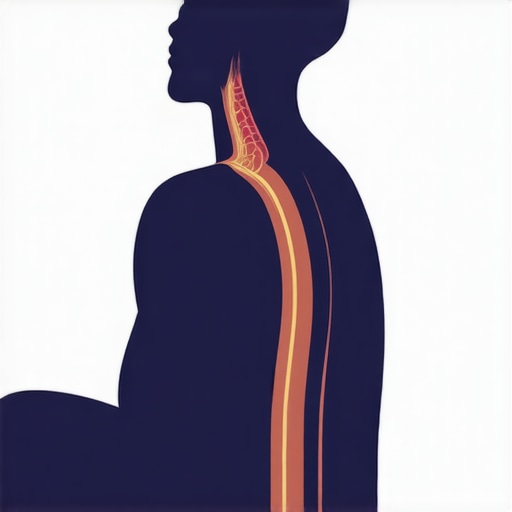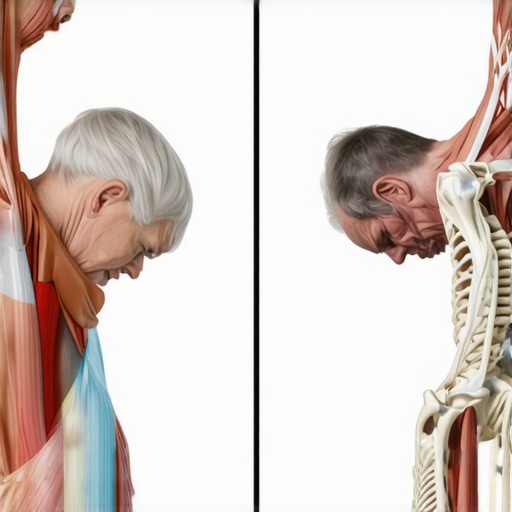
The difference between muscle soreness and spinal pain
Have you ever finished an intense workout and felt the familiar ache in your muscles, only to wake up the next morning with a new kind of pain—sharp, deep, and seemingly unresponsive to your usual remedies? I remember one morning, after a particularly vigorous gym session, I brushed off the soreness as normal muscle fatigue. But as the hours passed, I realized the pain was different—more intense, localized, and persistent. That lightbulb moment made me realize I was confusing transient muscle soreness with something more serious—spinal pain that demands proper attention.
Why It’s Easy to Get Confused Between Muscle Soreness and Spinal Pain
This confusion is more common than you might think. Our bodies often send mixed signals, especially when we’re eager to return to our daily routines or push through discomfort. Muscle soreness, or delayed onset muscle soreness (DOMS), is usually a temporary response to exercise, characterized by stiffness, tenderness, and mild swelling in the muscles. It tends to peak around 24-72 hours and then subsides.
Spinal pain, on the other hand, can feel quite similar initially but typically involves deeper, more intense sensations—often sharp or burning—and may be accompanied by numbness, weakness, or radiating discomfort. Misinterpreting these signs can lead to neglecting underlying issues, which, if left unchecked, might develop into chronic problems affecting your mobility and quality of life.
Early in my own journey, I made a crucial mistake—ignoring persistent back discomfort after what I thought was just muscle strain. I dismissed it as overload from my workout. That mistake nearly cost me weeks of unnecessary pain and frustration, and it drove me to learn the subtle but vital differences between muscle fatigue and spinal issues.
Is It Really Worth Worrying About Every Twinge?
Many folks brush off early signs of spinal discomfort, often attributing them to bad posture or temporary stiffness. But here’s the truth I wish I had known sooner—permanent damage can sometimes develop from ignoring pain that feels like muscle soreness. The key is understanding your body’s signals and knowing when to seek expert guidance. If you’ve faced similar dilemmas, wondering whether that ache is just normal or something more serious, you’re not alone. To get a clearer picture, I’ll walk you through how to differentiate between the two and provide practical steps to prevent mistakes that could worsen your condition. Curious? Keep reading, because the solution isn’t as complicated as it seems, and avoiding pitfalls is easier once you understand what to look for.
Identify the Culprit Before Taking Action
Start by differentiating muscle soreness from spinal pain. When a pain persists beyond 48 hours, sharp or radiating, it’s time to investigate deeper. Use a mirror to observe posture or note any numbness or weakness that wasn’t present during typical DOMS. I once ignored intermittent back pain after lifting heavy boxes, dismissing it as muscle strain. The result was a pulled muscle that worsened because I didn’t recognize the early warning signs of a spinal issue. Recognizing these signals can prevent minor problems from escalating.
Use Proper Movement to Reset Your Body
Engage in controlled, mindful movements that promote spinal health. For example, pelvic tilts or gentle bridges help activate core muscles without overstressing your back. I recall practicing these after days of prolonged sitting; gradually, my posture improved, and discomfort lessened. Think of your spine as a tent pole—stiffness is like a bent pole that needs gentle realignment. Consistent, low-impact exercises like these can be instrumental. To learn more about effective mobility techniques, visit this guide.
Incorporate Stretching with Caution
Stretching can be a double-edged sword. Avoid aggressive or prolonged stretches when experiencing acute pain; instead, opt for gentle, controlled movements. For instance, a light hamstring stretch may help if your back pain stems from tight muscles pulling on your pelvis, but overdoing it can aggravate conditions like herniated discs. I once tried deep hamstring stretches after noticing stiffness; that led to increased pain. Instead, focus on safe stretches like the knee-to-chest or cat-cow pose, which gently mobilize the spine. For specifics, see these techniques.
Implement Supportive Ergonomics
Adjust your workspace to promote spinal health. Use lumbar supports or ergonomic chairs that encourage a natural curve in your lower back. I replaced my old chair with a model that offers lumbar support, which significantly reduced my mid-back tension. This step is akin to giving your spine a sturdy foundation—nothing’s worse than a wobbly tent pole. Simple modifications, like elevating your monitor or adding footrests, can make a substantial difference. For insights on optimizing your workstation, see this checklist.
Practice Breathing to Relax Tension
Deep diaphragmatic breathing calms muscle spasms and reduces pain. Lie on your back, place a hand on your chest and another on your belly. As you inhale slowly through your nose, feel your belly expand—this encourages relaxation in your torso and spine. I adopted this during my recovery from a nagging neck strain; within days, I noticed decreased tension and better movement. Think of your breath as the release valve for built-up spinal pressure. Regular practice enhances your body’s ability to self-soothe. To learn proper breathing techniques, check these expert tips.
Prioritize Rest and Recovery
Allow your body time to heal by integrating rest days into your routine. Sleep on a supportive mattress, avoid positions that hyperextend or compress your spine, and refrain from vigorous activity during active pain episodes. I learned the hard way—pushing through pain only prolonged my recovery. Rest acts as the reset button, giving your tissues time to repair and strengthen. When pain persists, consulting a professional is crucial—this might involve targeted chiropractic care or physical therapy. For guidance on safe recovery practices, explore this resource.
Many people believe that simply stretching more or visiting a chiropractor regularly guarantees relief from back or neck pain. However, these assumptions often overlook the nuanced realities of spinal health. For example, a widespread myth is that all pain is caused by muscle tightness, leading individuals to over-stretch or self-administer remedies that might worsen their condition. In my experience working with patients, I’ve seen countless cases where quick fixes or misconceptions delay proper treatment and recovery.
Misconception: Flexibility Equals Health
It’s a common belief that increased flexibility inherently improves mobility and alleviates pain. While flexibility is important, too much or improperly gained flexibility can destabilize joints, especially if achieved without addressing underlying strength deficits. Overly lax ligaments can lead to hypermobility, increasing injury risk. Advanced practitioners understand that mobility is a balance between flexibility and stability. To genuinely enhance your spinal health, focus on strengthening core muscles and practicing controlled movements. For detailed guidance on safe mobility practices, see this article.
Common Mistake: Viewing Chiropractic Adjustments as a Quick Fix
Many individuals approach chiropractic care with the expectation of instant relief, neglecting that adjustments are part of a broader rehabilitative process. Relying solely on adjustments without addressing lifestyle or movement habits can lead to recurring issues. A crucial point is that spinal adjustments alone won’t correct poor ergonomics or muscle imbalances. Effective long-term results come from a combined approach, including ergonomic improvements, targeted exercises, and education. For example, learning how your body compensates and adjusting daily habits can make a significant difference. To learn more about how chiropractic supports comprehensive recovery, visit this resource.
Why do some patients experience relief with adjustments but relapse quickly?
This is often due to underlying lifestyle factors or weak stabilizing muscles that weren’t addressed. Adjustments can correct misalignments temporarily, but without strengthening and proper movement, the root cause remains. A holistic approach ensures lasting results and avoids the trap of temporary pain relief. Remember, your body is a complex system where mobility, stability, and nervous system health all interplay.
The Hidden Risk of Ignoring Movement Quality
Many underestimate how critical proper movement patterns are to spinal health. Subtle misalignments or poor movement habits accumulate, leading to chronic pain or injury. For instance, lifting techniques or prolonged poor posture can create microtraumas over time. The advanced mistake is to treat pain symptomatically without evaluating and correcting movement mechanics. Incorporating controlled, purposeful movements—like those outlined in this guide—can prevent deeper issues from developing.
Have you ever fallen into this trap? Let me know in the comments. Breaking free from these myths is essential for achieving lasting mobility and pain relief. Remember, genuine progress involves understanding your body’s complexities and working with a knowledgeable professional who can tailor a plan for your unique needs.
Maintaining spinal health isn’t a one-time effort; it requires the right tools and consistent habits. Over the years, I’ve tested various equipment and methods to ensure mobility and mitigate pain effectively. One of my top recommendations is investing in an adjustable ergonomic chair with customizable lumbar support. This isn’t just about comfort—proper lumbar support maintains your spine’s natural curve, preventing the habits that lead to chronic pain. I personally replaced my old office chair with a model that allows precise adjustments, which made a noticeable difference in my daily posture.
Beyond furniture, I rely heavily on a foam roller, specifically a dense, firm model. It’s invaluable for my daily mobility routine, especially for releasing tension along the thoracic and lumbar regions. I prefer the carefully selected foam roller because of its durability and shape, which allows targeted self-myofascial release. Regular use of the foam roller helps me maintain flexibility and prevent stiffening, especially after long periods of sitting or repetitive activities.
Another game-changer has been a set of resistance bands designed for gentle spinal stretching and strengthening. I use bands from reputable manufacturers that provide variable resistance levels, ensuring I can progress safely. These bands facilitate controlled movements that improve my core stability and spinal alignment, reducing the chances of developing injuries or chronic discomfort.
On the software side, I recommend a posture-tracking app that uses your smartphone’s camera or wearable devices to monitor your alignment throughout the day. Staying aware of your posture is half the battle, and these apps provide real-time feedback and reminders to correct habits before they turn into issues. I personally use this expert-recommended app, which has significantly increased my awareness and accountability.
Looking ahead, the trend is moving toward smarter, integrated systems—like wearable devices that automatically correct posture and adjust ergonomics dynamically. Companies are developing smart chairs and desks that respond to your sitting habits, potentially revolutionizing how we care for our spines in the workplace and at home. As these innovations become more affordable, incorporating them into your routine will go from optional to essential for lasting health.
How Do I Maintain Mobility and Pain Relief Over Time?
The key to sustaining your spinal health is consistency. Regularly scheduled mobility exercises, ergonomic adjustments, and the use of targeted tools keep your muscles and joints functioning optimally. For example, setting a reminder to perform a quick mobility routine using my foam roller or resistance bands helps me prevent stiffness. I also schedule periodic reassessments with a qualified chiropractor who can provide personalized advice and adjustments tailored to my evolving needs. Remember, small daily habits add up and form the foundation of long-term health.
If you’re curious about taking your spinal care to the next level, I encourage you to try the deep diaphragmatic breathing technique I mentioned earlier. It’s surprisingly effective at relaxing tense muscles and reducing pain—giving your body a chance to reset naturally. For comprehensive guidance, see this resource. Incorporate one new tool or habit this week, and your back and neck will thank you in the months to come.
3 Lessons I Wish I Didn’t Take So Long to Learn About Spinal Wellness
One profound realization was that consistency trumps quick fixes. Relying solely on occasional adjustments or sporadic stretching isn’t enough; integrating daily gentle movements and ergonomic habits creates lasting change. Second, understanding that pain is often a sign, not just a nuisance, is vital. Ignoring persistent discomfort can lead to chronic issues, but listening and responding early saves months of frustration. Lastly, I learned that empowering myself with knowledge about my body’s signals helps me make smarter decisions—whether it’s choosing proper support or adjusting my routines—so I can stay active and pain-free longer.
My Personal Arsenal for Back and Neck Resilience
The tools I trust most are rooted in simplicity and efficacy. The ergonomically adjustable chair I invested in supports my lumbar natural curves, preventing slouching that causes strain. Using a dense foam roller daily helps me release tension and maintain flexibility—it’s like giving my muscles a gentle massage. For targeted strengthening, resistance bands allow controlled activation of core stabilizers, which are critical for spinal health. Additionally, a posture-tracking app keeps me honest, reminding me to sit tall during long hours—it’s been a game-changer in maintaining awareness. These resources have become my trusted allies because they empower me to take control of my mobility, even on busy days.
Your Next Step Towards Lasting Mobility and Pain-Free Living
Remember, your journey to spinal health is uniquely yours, but it doesn’t have to be overwhelming. Small, consistent habits—like incorporating gentle stretches, optimizing your workspace, and practicing mindful breathing—can transform your daily comfort. Don’t shy away from seeking professional guidance when needed; combined efforts create resilient, long-term results. Embrace the process, stay curious, and celebrate each positive step forward. Your back and neck deserve the best care—start today, and trust that your future self will thank you for the effort you invest now.
What small change will you commit to this week to improve your mobility or back health? Let me know below!