Why sit up straight is actually bad advice for some
I was three hours into a marathon spreadsheet session when I felt it—a hot, electric zing that started at the base of my skull and shot straight down between my shoulder blades. I did what I always did: I sat up even straighter. I pulled my shoulders back until they practically touched, tucked my chin, and braced my core like a soldier on parade. I thought I was being a good student of ergonomics. Instead, ten minutes later, I was laying on the cold floor of my home office, staring at the underside of my desk and unable to take a deep breath without a sharp stab in my ribs. My big mistake back then was believing that correct posture was a static, rigid destination rather than a fluid process. I spent months forcing my body into shapes it wasn’t built for, and today, I want to help you avoid that same painful trap. We are going to dive into why your quest for a perfectly straight spine might be the very thing keeping you in a cycle of discomfort.
Ditch the Military Stance for Real Relief
For years, I told myself that if I could just maintain that 90-degree angle at my hips and knees, my back pain would vanish. It was a lie I bought into completely. The truth is, our bodies are designed for movement, not for being frozen in a textbook position. When you force yourself to sit up straight, you are actually putting an incredible amount of strain on the small stabilizer muscles in your back. These muscles aren’t meant to hold a heavy load for eight hours a day. I eventually learned that why your perfect posture is actually making you stiff is because you are essentially creating a muscular cast around your spine. This rigidity cuts off blood flow and leads to the very fatigue you’re trying to avoid. Have you ever felt like sitting properly was an exhausting workout in itself? If so, you’re likely over-correcting just like I did. We need to focus on restoring back mobility rather than just finding a pretty way to stay still.
Is this just an excuse to slouch?
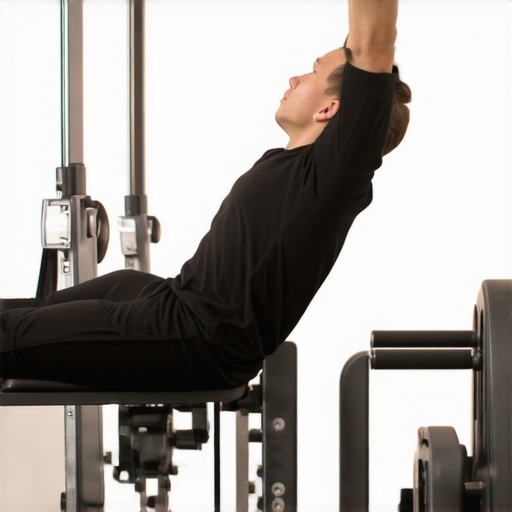
I know what you’re thinking—if sitting straight is bad, does that mean I should just curl into a ball on my sofa? Not exactly. There is a massive middle ground between being a tin soldier and a cooked noodle. The real secret lies in dynamic sitting. According to research from the Cornell University Ergonomics Web, sitting in a slightly reclined position—around 105 to 110 degrees—actually reduces disc pressure compared to sitting bolt upright at 90 degrees. This was a total lightbulb moment for me. It means that understanding back pain is less about finding the one right position and more about changing positions often. I started incorporating a 5-minute desk reset into my afternoon, and the difference was night and day. We aren’t looking for a permanent pose; we are looking for ways to keep the spine hydrated and happy. I used to think I was failing every time I leaned back, but I was actually giving my spinal discs the break they desperately needed. By the end of this guide, you will know how to listen to your body’s signals instead of following outdated rules that leave you reaching for the heating pad every night. Let’s look at how a 30-second morning move can set the stage for a day where you aren’t fighting your own anatomy.
Master the Art of Micro-Adjustments
To move from chronic stiffness to fluid comfort, you need a strategy that prioritizes movement over maintenance. The first time I tried to use a lumbar roll, I jammed it into the small of my back like I was trying to plug a leak in a dam. I sat there for hours, vibrating with tension, thinking that the discomfort was just the ‘feeling of correction.’ It wasn’t. By the time I stood up, my lower back felt like it had been fused into a single block of wood. I realized that how to use a lumbar roll without making your back stiffer is all about subtlety. It shouldn’t be a rigid brace; it should be a soft reminder for your spine to maintain its natural curve while you remain relaxed.
Give Your Discs a Break by Leaning Back
Forget the 90-degree rule you learned in grade school. If you want to stop the ‘electric zing’ I mentioned earlier, you need to find your 110-degree sweet spot. When you lean back slightly, the chair’s backrest takes a significant portion of your upper body weight, which otherwise crushes your lumbar discs. I started using the correct way to use a lumbar roll in your office chair by positioning it just above the beltline and allowing myself to actually recline. This simple shift stops the constant tug-of-war between your core and gravity.
Stop Tilting Your Pelvis with Your Wallet
One of the most overlooked causes of back pain is the stuff we keep in our pockets. I once spent a four-hour flight with my thick leather wallet in my back right pocket. By the time we touched down, a dull ache had radiated from my hip all the way to my calf. I had spent half a day sitting on a literal wedge, forcing my pelvis to tilt and my spine to compensate with a lateral curve. Learning about the danger of sitting with a wallet in your back pocket changed everything for me. Now, the first thing I do when I sit down—whether in the car or at the office—is clear my pockets. It ensures my sit-bones are level, which is the only way to keep the spine from twisting under pressure.
Use Your Breath as an Internal Brace
Most of us are chest breathers, especially when we are stressed or trying to sit up straight. This keeps the ribcage high and the lower back muscles locked tight. When you learn how to breathe through your diaphragm to reduce lower back pressure, you are essentially using your lungs to create an internal air cushion for your spine. Try this: place one hand on your belly and breathe in so that your hand moves out, not your shoulders moving up. This expands the intra-abdominal pressure, which stabilizes your spine from the inside out without you having to ‘clench’ a single muscle. This is the core of any 5-minute desk reset because it resets the nervous system and the physical structure simultaneously. Stop fighting your anatomy and start working with it.But here is the real nuance that separates a basic ergonomic fix from long-term recovery: sometimes, the muscle that feels the tightest is the one you should leave alone. For years, I believed that if my hamstrings or lower back felt like guitar strings, I needed to stretch them into submission. This is the most common contrarian truth I share with my clients: why stretching a tight muscle isn’t always the answer is because that tightness is often a ‘protective lock’ by your nervous system. If your brain senses instability in your spine, it will tighten the surrounding muscles to act as a natural brace. When you aggressively stretch that tightness away, you’re essentially removing the safety pin from a grenade. Instead of relief, you often end up with more instability and a sharper flare-up 24 hours later. We need to restore your back mobility by finding the source of the instability, not just punishing the muscles that are trying to help.
Why does my back still hurt even though I stretch every day?
The answer usually lies in a concept called ‘regional interdependence.’ This is the fancy way of saying that where the pain is located is rarely where the problem started. For example, why we look at your feet when your neck hurts isn’t a gimmick; it’s because a collapsed arch in your foot creates a ripple effect that tilts your pelvis and eventually strains your cervical spine. A study published in the Journal of Orthopaedic & Sports Physical Therapy (JOSPT) highlights that improving hip mobility can significantly reduce the mechanical load on the lumbar spine. If you only focus on the area that screams, you’re just ignoring the person who stepped on its toe. This is also why we check your pelvis to solve mid-back tension. We have to look at the entire kinetic chain to find the true culprit.
The Hidden Trap of Foam Rolling Your Lower Back
This brings us to a major ‘oops’ factor that I see almost every day in the gym: people trying to foam roll their lower back. While it feels like you’re working out a knot, you should actually stop rolling your lower back on a hard foam roller immediately. The lumbar spine is designed for stability, and it doesn’t have the protection of a ribcage like your upper back does. Jamming a hard roller into that space can irritate the joints and even damage the delicate structures of the discs. If you’re struggling with the hidden link between neck pain and spinal health, you have to treat the spine with precision, not brute force. Have you ever fallen into this trap of over-stretching or over-rolling a painful spot? Let me know in the comments. By shifting our focus from ‘stretching the pain’ to ‘stabilizing the structure,’ we finally break the cycle of chronic stiffness.Once you stop treating your back like a piece of wood and start treating it like a living system, you need the right tools to keep it tuned. I’ve tried every gadget on the market, from vibrating posture sensors to $2,000 ergonomic chairs. But the most effective tool in my kit is actually a simple, firm McKenzie-style lumbar roll. I don’t use it to prop myself up; I use it to give my nervous system a ‘home base’ for its natural curve. This is how you enhance mobility naturally with chiropractic care principles at home. If you want a more active approach, I swear by the dead bug exercise. It is the absolute king of core stability because it teaches your pelvis to stay neutral while your limbs move—mimicking exactly what happens when you walk or reach for a coffee mug. Dr. Stuart McGill, a world-renowned authority on spinal biomechanics and professor emeritus at the University of Waterloo, emphasizes that creating ‘stiffness’ in the core through isometric holds—rather than repetitive sit-ups—is what actually protects the discs from shearing forces. This foundational stability is the only way to ensure lasting comfort in our desk-bound world.
How do I keep my spine feeling this good for the long haul?
Maintenance isn’t about being perfect every second; it’s about having a recovery plan that you actually enjoy. I tell my clients that back pain recovery is a marathon, not a sprint. You have to integrate these micro-habits into your lifestyle until they become invisible. For me, that means a quick ‘check-in’ every single morning. I look at how my body responds to simple movements like a gentle cat-cow or a hip hinge. If I feel a ‘catch’ or a familiar tightness, I don’t ignore it or try to stretch through it aggressively. I use it as a signal to revisit my ergonomic setup, perhaps checking my screen height or ensuring I haven’t been sitting on my wallet again. Looking ahead, I predict we are moving toward a fully ‘smart’ ergonomic environment. We’re already seeing the first generation of office chairs with built-in pressure sensors that sync to your smartphone, alerting you the moment your pelvic load becomes uneven or your slump exceeds a certain threshold. In the next five years, AI-driven bio-feedback will likely replace the static ergonomic assessment. But until your chair can talk to you, you have to be the one listening. My challenge to you today is to stop looking for the ‘magic chair’ and start building the ‘internal chair’ of core stability. Try the dead bug variation tonight for three sets of ten slow repetitions. Focus on keeping your lower back glued to the floor the entire time. You might be surprised at how much harder—and more effective—it is than any stretch you’ve tried before.
The Brutal Truth About Trying to Sit Perfectly
For years, I treated my spine like a structural beam that needed to be held in place with sheer willpower. One of my biggest lightbulb moments was realizing that pain isn’t a sign of postural failure; it’s a data point from your nervous system. I’ve since learned that my stiffest days happened when I tried the hardest to stay perfectly still. Your body thrives on variety, not static perfection. When I stopped trying to ‘fix’ my alignment and started focusing on how to restore your back mobility through movement, my back pain recovery actually began in earnest. Real progress comes when you treat movement as a lubricant for your joints rather than a chore to be completed.
My Non-Negotiable Kit for a Resilient Spine
If you want to start seeing results tomorrow, you don’t need a fancy ergonomic overhaul. I personally rely on a few specific tools that have changed the game for my own spinal health. First, a firm lumbar roll is essential for maintaining that natural curve without muscular effort—I even take mine on long flights. Second, I swear by the dead bug exercise for building the kind of deep, protective core strength that makes sitting feel effortless. Finally, I trust the process of regular check-ins; understanding back pain triggers is much more effective than just chasing symptoms. These are the foundations of a lifestyle that prioritizes function over form. #IMAGE_PLACEHOLDER_E#
Reclaim Your Freedom of Movement
You aren’t meant to live in a state of constant physical bracing or military-style rigidity. By shifting your focus from outdated rules to fluid, dynamic micro-adjustments, you can finally achieve lasting comfort. You now have the tools to listen to your body’s signals instead of fighting them. It’s time to stop worrying about being a ‘perfect’ student of ergonomics and start being an active participant in your own recovery. Have you ever found yourself tensing up your shoulders just to try and sit ‘correctly’ at your desk? Let me know in the comments below!