How to choose a backpack that won’t give your teenager scoliosis
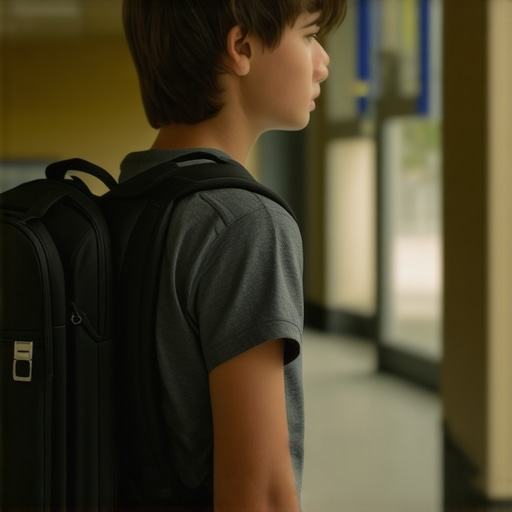
I will never forget the sound of my daughter’s backpack hitting the hardwood floor after her first week of high school. It was not a thud; it was a bone-rattling crack that made me wonder if she was carrying textbooks or lead bricks. When she turned around, her shoulders were hiked up to her ears, and she had that telltale forward head lean that every parent dreads. I realized then that I had made a massive mistake. I had let her choose a bag based on a trendy aesthetic rather than the support her growing spine actually needed. We are talking about a human frame that is still developing, yet we often treat it like a rental truck. Today, I am going to show you how to fix this so your teen does not end up needing neck and back pain solutions before they even get their driver’s license.
Your teen’s spine was never meant to carry a twenty pound anchor
I used to think ergonomic was just a marketing buzzword used to hike up the price of school supplies. I was wrong. My biggest mistake early on was buying a bag that was way too long for my child’s torso. This meant the weight was constantly pulling her backwards, forcing her to arch her lower back just to stay upright. This lack of proper posture and mobility creates a ripple effect throughout the entire body. It is the same principle as why a heavy purse pulls your spine out of alignment, just magnified by the sheer volume of homework. Have you noticed your teenager leaning forward like a marathon runner just to keep their bag from slipping off? If so, their current setup is already failing them.
Is an expensive ergonomic bag actually worth the hype?
You might be skeptical about whether a fancy bag really changes anything. I get it. It is tempting to think that kids are bouncy and will just grow out of a little soreness. However, the American Chiropractic Association (ACA) explicitly states that a backpack should weigh no more than 10% to 15% of a student’s body weight to prevent long-term damage. When you exceed that, or when the weight distribution is off, you are inviting chronic discomfort that persists well into adulthood. We need to look at padding, strap width, and specifically where the bag sits on the pelvis. You can even use this simple way to check your child’s posture at home to see the immediate impact a bad bag has on their alignment. Investing in the right gear now is much cheaper than years of corrective care later.
Stop the sag to save their lower back
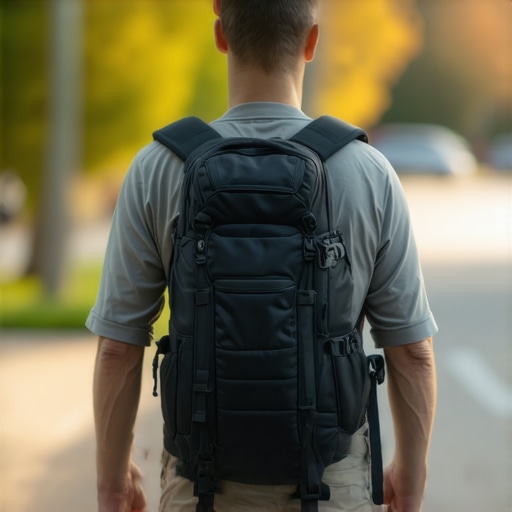
Think of your child’s backpack as a lever. If the weight hangs low and away from the body, it exerts a massive amount of torque on the lumbar spine. I saw this in action with my neighbor’s son, Leo. He was shuffling to the bus stop with his bag practically hitting his mid-thighs, leaning forward so aggressively he looked like he was walking into a hurricane. We spent two minutes tightening those shoulder straps until the base of the bag sat exactly two inches above his waistline. The change was instant—his chest opened up, and he stopped gasping for air. This adjustment is the foundation of boost your back health simple yet effective chiropractic hacks that prevent the spine from molding into a permanent slouch. If the bag sits on the buttocks, it is too low. Every inch it drops adds significant perceived weight to the shoulders, dragging the neck into a strained position similar to why your phone is making your upper back round.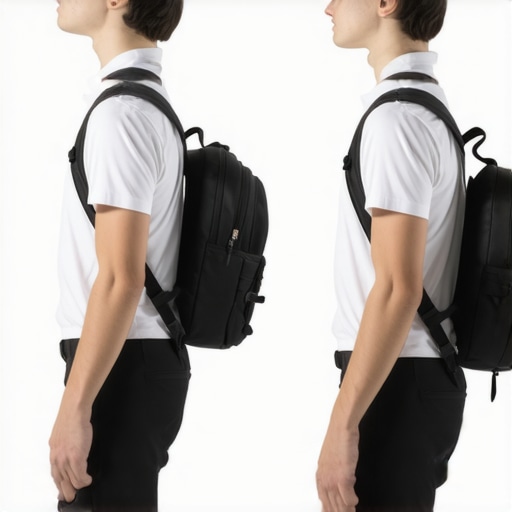
Keep the heaviest books against the mesh
Packing is not just about fitting everything in; it is about managing the center of gravity. You must place the heaviest items—like that massive chemistry textbook or the laptop—in the compartment closest to the child’s back. This follows the same physics as the best way to carry a heavy box up stairs: you want the load as close to your own frame as possible to minimize the pull on your muscles. When heavy items are at the outer edge of the bag, they pull the shoulders backward, forcing the teen to compensate by jutting their chin forward. This ‘tech neck’ posture is a primary driver of tension. By centering the weight, you help them restore your back mobility proven chiropractic strategies by simply not stressing the joints to their breaking point every morning.
The two-strap rule is non-negotiable
I know it is not ‘cool,’ but using only one strap is a guaranteed way to induce a functional scoliosis over time. When one shoulder takes the full load, the spine must curve laterally to keep the body balanced. This uneven pressure causes the muscles on one side to become overactive and tight, while the other side weakens. To keep things aligned, perform the 10-second posture check you can do anywhere once they have the bag on. Their shoulders should be level. If one is hiked up higher than the other, the straps are unevenly adjusted. Proper strap tension ensures the weight is distributed across the thickest muscles of the back and shoulders rather than hanging off the delicate joints of the neck.
Reset their alignment in thirty seconds or less
Even with a perfect bag, sitting in a classroom for six hours creates stiffness. Encourage your teen to use the passing periods for a quick physical ‘reboot.’ I taught my daughter the 30-second move to stop mid-day shoulder burn to do between her third and fourth period. It involves a simple thoracic opening move that reverses the ‘crunched’ position of sitting at a desk. These micro-breaks are essential because they prevent the soft tissues from setting into a restricted pattern. When they get home, check for red marks on their shoulders; this is a clear sign the straps are too tight or the bag is overloaded. If they are already complaining of a ‘tight’ feeling, it is time to look into relieve neck back discomfort using these expert methods to ensure a small ache doesn’t become a chronic injury.
Why stretching a tight muscle might be your biggest mistake
Many parents assume that if their teen’s shoulders feel like granite, the solution is to simply stretch them out. However, there is a nuance here that most people miss: the ‘tightness trap.’ In my experience, a muscle that feels tight is often actually overstretched and weak, acting as a functional ‘splint’ to protect a misaligned joint. If you keep pulling on a muscle that is already at its limit, you risk creating more instability. This is exactly why stretching a tight muscle isnt always the answer when you are dealing with chronic tension. Instead of relief, you might be reinforcing a bad pattern. We have to look at whether that muscle is actually tight or if it is just screaming for help because it is doing the work of three other muscles that have ‘turned off’ due to poor ergonomics.
Why does your teen’s neck still hurt despite the expensive bag?
This is the question that brings most parents into the clinic. They have the right bag, the right straps, and the right weight, yet the headaches and neck pain persist. The ‘oops’ factor here is ignoring the kinetic chain. We often focus on where the pain is, but why we look at your feet when your neck hurts is because your foundation dictates your peak. If your teen has a collapsed arch or is wearing unsupportive footwear, it forces the pelvis to tilt, which in turn forces the neck to crane forward just to keep the eyes level. A study published in the Journal of Physical Therapy Science notes that postural control is a whole-body sensory integration process, meaning you cannot fix a ‘top-down’ problem without looking at the ‘bottom-up’ mechanics. 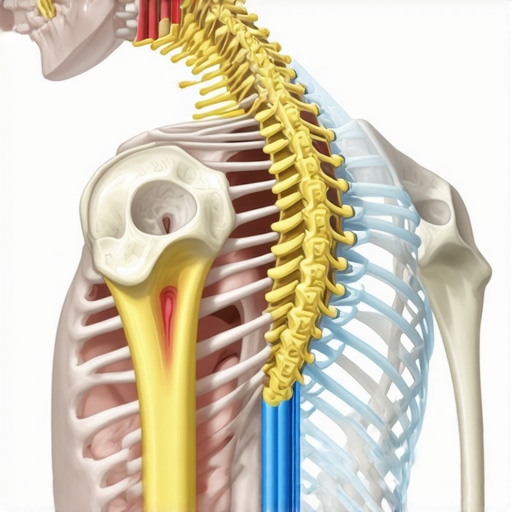
The hidden danger of the statue posture
We have all told our kids to ‘sit up straight,’ but it turns out that why your perfect posture is actually making you stiff is a real phenomenon. When a teenager tries to maintain a rigid, military-style posture, they often end up holding their breath and locking their rib cage. This rigidity prevents the natural micro-movements the spine needs to stay hydrated and mobile. True health comes from revitalize your mobility proven strategies for back pain relief that focus on movement rather than static positions. If they are ‘posing’ rather than moving, they are just trading one type of strain for another. Another advanced mistake is failing to realize why we adjust the pelvis to fix neck tension. If the base of the spine is rotated, the neck has to twist to compensate, leading to that ‘knot’ that never seems to go away with just a massage. To truly help your child regain full mobility after injury or a long semester of heavy lifting, you must address these global imbalances. Have you ever fallen into the trap of buying ‘ergonomic’ gear only to find it didn’t solve the problem? Let me know in the comments, I would love to hear your story.It isn’t just about the bag or the desk chair; it’s about the maintenance schedule you keep for your own biology. I personally swear by the McKenzie Method D-roll. I don’t just use it because it’s a ‘brand’; I use it because it fills the exact void left by modern bucket seats that force the lumbar spine into a dangerous flexion. Most people don’t know the correct way to use a lumbar roll in your office chair, which involves placing it higher than you think—right at the curve of the low back, not at the belt line. If you place it too low, you are actually pushing the sacrum forward and increasing the strain on your L5-S1 disc. Using this tool daily has been the single greatest factor in keeping my own spine from collapsing during long commutes.
The specific tools that keep my spine happy on the road
I also keep a simple tennis ball in my laptop bag. If you spend any time hunching over a screen, your rhomboids are going to act up. Knowing how to use a tennis ball to fix that spot under your shoulder blade is a game-changer for those mid-afternoon tension headaches. You simply pin the ball between your back and the wall, find the ‘hot spot,’ and breathe into it until the muscle gives way. This mechanical pressure signals the nervous system to let go of the protective guarding that causes so much grief. 
How do I maintain my spine’s mobility over time?
Maintenance is about high-frequency, low-intensity inputs. You wouldn’t brush your teeth once a month and expect no cavities; your spine is the same. I follow a routine of mobility mastery expert tips for back pain prevention and recovery every single morning. This isn’t a grueling hour at the gym; it’s about how to stay mobile when you have a desk job and no time for the gym by integrating movement into your actual life. Dr. Stuart McGill, a world-renowned spine expert from the University of Waterloo, highlights the ‘Big Three’ exercises—the bird-dog, side plank, and modified curl-up—as the gold standard for creating the core stability required to protect your discs. When you layer these onto boost mobility ease pain chiropractic techniques unveiled during your regular visits, you create a frame that can handle the unexpected stresses of daily life. Stability and mobility are two sides of the same coin; you cannot have one without the other.
Why your smartphone will soon be your best posture coach
Looking forward, I predict we will see a massive shift from reactive care to biometric-driven proactive maintenance. By the time we get to the unlock neck pain relief essential chiropractic tips for 2025 era, our wearable devices won’t just track steps; they will use haptic feedback to vibrate the moment your thoracic spine begins to round. We are moving toward a world where your phone monitors your ‘tech neck’ in real-time, offering instant corrections before the nerve pressure even begins. Until those gadgets are perfected, the responsibility lies with us. Take that tennis ball out of the garage today and spend two minutes on that stubborn knot behind your shoulder—your future self will thank you for the relief.
The Hardest Lesson I Learned About Teen Posture Maintenance
Reflecting on my daughter’s journey, the most significant shift wasn’t just changing the bag; it was changing our mindset. I learned that ignoring ‘minor’ aches is the fastest way to invite chronic issues. Early intervention is not about being overprotective; it is about preservation of the frame. Here are the lightbulb moments that changed everything for us:
- Movement is the only true medicine: Even the most expensive bag cannot offset a sedentary lifestyle. Focus on how chiropractic care enhances movement rather than just fixing a static position.
- The ‘Growth Spurts’ are high-risk periods: During rapid growth, the nerves and muscles are already under tension. Adding a heavy load during this phase is a recipe for disaster, and understanding the hidden link between neck pain and spinal health is crucial during these years.
- Listen to the ‘silent’ signals: A teen might not say their back hurts, but if they are constantly rubbing their neck or shifting their weight, it is time to act before it becomes a permanent pattern.
By shifting from a reactive ‘wait and see’ approach to mastering back and neck pain relief through daily habits, we avoided years of potential struggle and discomfort.
My Essential Toolkit for Lasting Spinal Comfort
I don’t believe in cluttering your life with expensive gadgets, but these items are non-negotiable in our household for maintaining a healthy frame and supporting enhancing mobility naturally with chiropractic care:
- The McKenzie Method D-Roll: This is my secret weapon for car rides and long study sessions. It ensures the lumbar curve is supported, preventing that dangerous ‘C-shape’ slouch that modern chairs encourage.
- A High-Quality Tennis Ball: For less than two dollars, you have a tool for myofascial release that can stop a tension headache in its tracks when used against the wall.
- The Stuart McGill ‘Big Three’ Protocol: These three specific exercises are the foundation for a stable core, which is essential for back pain recovery and long-term prevention.
Empower Your Teen to Move Without Restriction
The transition from middle school to high school is stressful enough without adding physical pain to the mix. By teaching your teen how to pack their bag correctly, adjust their straps, and use simple tools like a tennis ball, you are giving them more than just comfort; you are giving them a lifetime of body awareness. This journey isn’t about achieving a ‘perfect’ statue-like posture; it’s about building the resilience to handle whatever life throws their way—be it a twenty-pound textbook or a long day at a desk. Take the first step today by checking their bag height and discussing unlocking neck pain relief strategies. Have you ever noticed your teen’s posture change significantly the moment they put on their backpack? Let me know in the comments below!