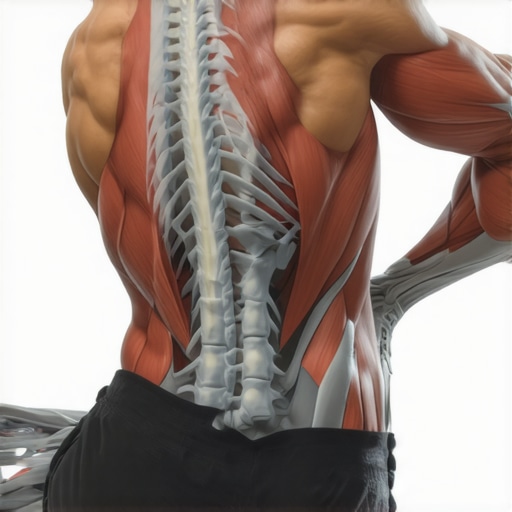
How to Strengthen Your Core Without Doing a Single Crunch
It was a typical Monday morning when I reached for my coffee, only to be greeted with a sharp, stabbing pain in my neck. I’d been trying to improve my posture and core strength, convinced it would help me avoid future discomfort, but I ended up worse. That lightbulb moment hit me hard: I realized I was approaching core strengthening all wrong. I had been stuck in the same old routine—crunches, sit-ups, and endless sit-ups—believing they were the only way to get a strong core. But that might be part of the problem.
A Different Approach to Core Strength
What if I told you that you don’t have to do a million crunches to build a resilient, supportive core? In fact, the traditional crunch-centric approach can sometimes do more harm than good, especially if you’re dealing with neck or back pain. Instead, I found a way to strengthen my core using gentle, effective strategies that improve stability and mobility without overloading my spine. Today, I want to share how I turned things around and how you can too—without the risk of aggravating existing issues or creating new ones.
Is Core Work Without Crunches Really Effective?
It’s understandable to be skeptical. I was, too. Early on, I made a mistake of blindly copying workouts I saw online, ignoring how my body responded. I learned the hard way that performing movements improperly or overdoing certain exercises can lead to painful setbacks. When I discovered alternative, low-impact methods—like engaging my deep abdominal muscles through slow, controlled movements—I started noticing better posture, less pain, and genuine strength. If you’re curious about safer, more sustainable core exercises, I encourage you to explore more about how chiropractic care can help enhance your mobility and prevent injuries. You can find insightful tips here: Boost Mobility & Ease Pain with Chiropractic Techniques.
So, if you’ve faced persistent neck discomfort or noticed your back feeling weaker despite countless sit-ups, you’re not alone. Many people overlook the importance of holistic, functional core training that supports the entire spine and improves overall movement. The good news? You can do this by incorporating simple, mindful strategies that I’ll guide you through next—no grunting, no strain, just effective progress.
Remember, a stronger core isn’t just about aesthetics or crunch numbers—it’s about creating a foundation that supports your everyday life and keeps pain at bay. Ready to discover how? Let’s dive into practical steps you can start today.
Target Deep Abdominal Muscles with Controlled Movements
Start by lying on your back with knees bent and feet flat on the floor. Place one hand on your chest and the other on your lower abdomen. Slowly breathe in, allowing your belly to rise without moving your chest. Then, gently draw your belly button toward your spine, engaging your deep core muscles. I remember practicing this after a misaligned morning; the process was messy at first, with some unnecessary chest movement, but gradually, I felt my deep muscles activate more reliably. This eliminates the strain that traditional sit-ups can cause and offers a safer way to build core stability. To enhance this practice, consider consulting chiropractors for tailored mobility tips, which can be found here: Enhance Mobility Naturally with Chiropractic Care.
Implement Segmental Stabilization Through Slow, Isolated Exercises
Progress to exercises like the dead bug. Lie on your back with arms extended toward the ceiling and knees bent at 90 degrees. Slowly lower one arm and the opposite leg toward the floor, keeping your lower back pressed into the mat. Pause briefly, then return to start. During my initial attempts, I often lost control, allowing my back to arch—an indicator I was rushing or overextending. Focusing on slow, deliberate movements helped me develop proprioception and control, essential for spinal support. Think of it as tightening a series of bolts one at a time, ensuring each is secure before moving on. This level of precision is crucial to avoid neck or back pain and can be complemented by chiropractic assessments: How Chiropractic Care Transforms Your Back Pain Recovery.
Use Dynamic Postural Training for Real-Life Strength
Stand in a neutral pelvis position, then perform gentle movements like side bends or gentle twists, focusing on pelvic stability. The goal is to mimic movements during daily activities, such as reaching for objects or twisting to turn around. I had a habit of gracefully twisting to grab my coffee, only to pay for it with discomfort later. Practicing controlled, functional movements challenged my joint stability and reduced strain in real life. Imagine tightening the bolts in a machine while it’s running—this simulates real conditions and ensures your core supports your spine under load. Regularly practicing these dynamic, functional movements can significantly improve mobility and prevent neck and back issues. For personalized guidance, consider visiting a chiropractor: Proven Strategies for Back Pain Relief.
Integrate Breathing and Movement for Holistic Stability
Combine diaphragmatic breathing with gentle core engagement during even mundane activities. When I was sitting at my desk, I would take deep breaths, contracting my deep abdominal muscles gently each time. This not only improved my posture but also trained my nervous system to activate core muscles reflexively. Think of it as syncing your internal engine with your movements—making your core support feel natural rather than forced. This holistic approach can be reinforced through chiropractic techniques aimed at restoring proper spinal alignment, which enhances muscular coordination: Expert Tips for Back Pain Prevention and Recovery.
Progress by Incorporating Real-Life Movements
Practice slow, controlled lifting and bending, paying close attention to spinal positioning. For instance, when picking up objects, bend your hips and knees instead of flexing your spine directly. I once attempted to lift a heavy box with a rounded back, resulting in a tense day afterward. Now, I squat down, keep my core engaged, and lift smoothly—like a well-oiled machine. This mindful approach prevents neck and back discomfort by ensuring your spine remains in a safe, neutral position. Remember, consistency in these movements fosters lasting improvements in mobility and resilience. For personalized support, explore chiropractic assessments: The Hidden Link Between Neck Pain and Spinal Health.
Many assume that simply cracking their neck or relying solely on quick fixes like ice and heat can solve chronic discomforts, but this oversimplification often leads to more issues. One common misconception is the idea that all neck and back pain stems from muscular strain, when in reality, misalignments in the spinal joints frequently play a crucial role. Overlooking the importance of holistic assessments can delay proper healing and even worsen symptoms over time. Advanced practitioners understand that the nuanced interplay between spinal segments, nerve pathways, and muscular support is complex; ignoring this can cause persistent pain and mobility limitations. For example, a study by the Journal of Manipulative and Physiological Therapeutics highlights how targeted chiropractic adjustments can restore nerve function and improve overall movement beyond muscle relief alone. Additionally, many believe that symptom relief equals recovery, but true healing involves addressing root causes such as joint subluxations and nerve impingements. A dangerous trap is treating only the symptoms with medication or temporary measures, which can mask underlying issues without providing lasting solutions. Instead, engaging in comprehensive care that includes spinal alignment, mobility exercises, and lifestyle adjustments proves far more effective. If you’ve been relying on superficial remedies, it might be time to explore deeper strategies. Curious about how chiropractic care can specifically unlock your body’s healing potential? Check out insights from top chiropractors on overcoming persistent neck discomfort—commonly from neglected joint health—by visiting this resource. Remember, real progress comes from understanding the complexity beneath the pain, not just alleviating the surface. Consider incorporating assessments that identify hidden joint restrictions and nerve compressions, which often go unnoticed. For example, improvements in mobility and reduction in pain are often seen when the cervical spine’s subtle misalignments are properly corrected, rather than merely stretching or strengthening muscles. So, have you ever fallen into this trap of oversimplification? Let me know in the comments.
Maintaining spinal health over the long term requires the right tools and consistent strategies. From specialized equipment to digital resources, I’ve curated a list of what has genuinely helped me and many clients stay mobile and pain-free. Investing in the right gear isn’t about indulgence but about creating sustainable habits that support your body’s needs. Today, I want to share those essentials and why they stand out.
How do I maintain mobility and avoid setbacks over time?
One foundational tool I rely on is the *foam roller*, specifically the properly used foam roller. It’s not just for athletes; it’s a gentle way to release tension in the thoracic spine and promote better posture, especially after long hours at a desk. I use it regularly to prevent stiffening that can lead to neck or back pain, keeping my tissues supple and tissues healthy. The key is proper technique, focusing on controlled rolling to avoid bruising or overstretching—something I learned from a professional chiropractor.
For tracking progress and customizing routines, I recommend *mobility apps* like Mobility Master or MobilityWOD. These platforms offer targeted routines that fit specific pain points, integrating seamlessly into daily life. They help me maintain accountability, especially if I’m busy or traveling. These digital tools are advancing rapidly, and in the future, I predict AI-driven customization will tailor mobility and strength routines even more precisely, blending real-time feedback with personalized biomechanics insights.
Why do I keep a journal of my mobility exercises?
Documenting your routine—whether through apps or a simple notebook—creates a feedback loop. I’ve found that tracking which exercises make me feel better versus those that cause discomfort helps me refine my approach. This disciplined habit prevents regression and ensures progress. Plus, it serves as a reference during chiropractic visits, allowing your practitioner to see what has worked and what hasn’t, facilitating more focused adjustments. Regular documentation also uncovers patterns that may indicate worsening issues or emerging problems before they escalate.
Another tip is to incorporate *digital posture correction devices*, like smart posture reminders that notify you when you’re slouching. I use a discreet sensor that connects via Bluetooth to my phone, alerting me to correct my posture when I’ve been sedentary or collapsed into poor alignment. As wearable technology advances, expect smarter, more integrated solutions that automatically adjust ergonomic settings or cue you during daily activities, making posture correction effortless and intuitive.
Remember, tools alone aren’t enough—they need consistent use and mindful integration into your routine. Consider visiting a chiropractor for tailored advice on your specific needs, and explore resources like chiropractic techniques to boost mobility. One proactive step you can try today is incorporating a dedicated foam rolling session after your workday to release accumulated tension and reinforce your mobility base.
As I look ahead, the integration of biofeedback and virtual reality in spinal health management seems promising. These innovations aim to make maintaining mobility engaging and data-driven. Until then, selecting practical, evidence-based tools and sticking with them consistently remains your best strategy for long-term spinal vitality.
What I Wish I Knew About Neck Pain and Mobility Early On
One of the most vital lessons I learned was that not all pain originates from muscles alone. Sometimes, misaligned joints or nerve impingements play a bigger role than we realize, making superficial treatments ineffective. Recognizing this shifted my entire approach towards holistic care, and it made all the difference.
Another insight was understanding the importance of gentle, controlled movements over aggressive stretching or intense core routines. Slow, mindful engagement of deep muscles created sustainable strength without risking further discomfort, a game changer for my long-term mobility.
Lastly, I discovered that consistent, personalized care—like consulting seasoned chiropractors—addresses the true root causes of neck and back issues, rather than just masking symptoms. This guided me to invest in quality assessments and tailored strategies, leading to lasting relief.
My Key Tools for Maintaining Neck and Back Health
For me, a properly used foam roller became a staple—especially for releasing tension in my thoracic spine and improving posture. Its gentle pressure helps keep tissues supple and prevents stiffness—find out more about how to use it correctly here.
Mobile apps like Mobility Master and MobilityWOD have been instrumental in providing targeted routines. They keep me accountable, especially during busy days, and help me track progress—these digital companions support me in maintaining lasting mobility.
Keeping a journal of my exercises has allowed me to recognize patterns—what works, what doesn’t—and refine my routine accordingly. This simple habit has empowered me to take control and stay motivated on my journey toward pain-free movement.
Keep Moving Forward: Your Next Step Matters
Remember, rebuilding neck and back strength isn’t about quick fixes; it’s about consistent, mindful effort. Start incorporating small yet impactful habits—like controlled breathing, segmental stabilization, or mindful lifting—and notice the difference over time. Your spine’s health is a lifelong investment, and every step you take today can lead to more vibrant, pain-free days. If you’re eager to enhance your mobility naturally, explore how chiropractic care can complement your efforts. What’s the first small change you’re willing to try today to support your neck and back health? Share below, and let’s encourage each other on this journey!