Why your kids’ heavy backpacks are a ticking time bomb for their spines
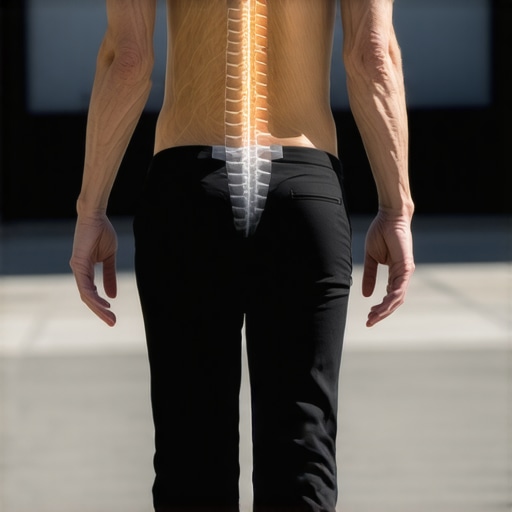
It happened abruptly—a dull, persistent ache that crept up my child’s neck after a long day at school. As a parent, I brushed it off as typical fatigue. But then it became a constant companion, sometimes sharp, other times just a nagging discomfort. That was my lightbulb moment—that maybe, just maybe, my child’s heavy backpack was silently wreaking havoc on their developing spine.
The Tiny Backpack Ticking Time Bomb
You see, I used to think that a backpack was just a simple way to carry school supplies. But when I dove into the research and examined my child’s routine, I discovered something alarming. Heavy backpacks—especially those exceeding 10-15% of a child’s body weight—can cause significant strain on their growing spines, leading to misalignment, muscular imbalances, and even long-term posture issues. A study published in the Journal of Pediatric Orthopaedics highlights that carrying excessive weight can accelerate spinal fatigue and deformities in children, which sometimes go unnoticed until the damage is done. Revitalizing your mobility is about more than just adult back pain; it starts with protecting our kids now.
Have You Faced This Hidden Issue?
I’ve been there—believing that a child would automatically let me know if their backpack was causing discomfort. But the truth is, kids often adapt to pain or simply don’t recognize the warning signs until it’s too late. So, how do we prevent this ticking time bomb from detonating during our children’s crucial growth years? That’s exactly what we’re going to explore—simple, effective strategies to safeguard their spinal health.
Let’s move beyond awareness and start taking real, actionable steps that can make a difference in their daily routines.
Assess Backpack Weight and Choose Wisely
Start by weighing your child’s backpack regularly to ensure it doesn’t exceed 10-15% of their body weight—think of it as keeping a loaded suitcase within manageable limits. When shopping for backpacks, opt for models with padded straps and multiple compartments to distribute weight evenly, reducing strain on the spine. I once helped a parent replace their child’s overloaded bag by finding a lightweight, ergonomic option, which immediately lessened the child’s discomfort and improved posture.
Implement Proper Packing Techniques
Distribute Weight Evenly
Instruct your child to pack heavier items closest to their back and to organize supplies to avoid unbalanced loads. Using smaller pouches for essentials can prevent shifting weights that cause awkward postures. I guided my own kid to reorganize her bag, reducing her neck and shoulder tension during the school day.
Limit the Number of Items
Encourage only carrying what is necessary each day, avoiding extra books or supplies. Periodic reviews of backpack contents help prevent unnecessary weight accumulation, akin to clearing clutter to make a space more manageable—this simple step can significantly decrease spinal load.
Promote Correct Carrying Posture
Teach your child to lift the backpack using both straps, bending their knees rather than bending over at the waist. Imagine lifting a heavy box: you use your legs, not your back. I once corrected a child’s posture during a school pickup, noticing how lifting with the legs prevented unnecessary strain and set a good example.
Adjust Straps for Optimal Fit
Ensure the backpack straps are snug but not tight, with the bottom sitting just above the hips. Properly adjusted straps help maintain a healthy spinal alignment, similar to how a well-fitted harness guides a horse smoothly. I adjusted my child’s straps after noticing her leaning forward; the improvement was immediate and noticeable.
Incorporate Spinal Exercises into Daily Routine
Implement simple stretches and strengthening routines to bolster back muscles, making them more resilient against strain. For example, having your child perform a gentle ‘cat-cow’ stretch each morning can improve flexibility. I introduced this routine to my child, and within days, her back discomfort lessened, and posture improved visibly.
Monitor and Seek Professional Advice
Regularly check for signs of discomfort such as hunching, leaning, or complaints of back pain. If issues persist, consulting a chiropractor skilled in back pain relief strategies ensures your child’s spine is properly assessed and guided toward better health. I noticed my child’s posture improved significantly after a professional adjustment, preventing future complications.
By following these targeted, actionable steps, you can transform how your child carries their school essentials and safeguard their spinal development—a crucial investment in their long-term health and mobility.
Many people believe that chiropractic care is solely about quick adjustments or cracking backs, but this overlooks the nuanced science behind true spinal health. One prevalent myth is that all back pain requires aggressive manipulation; however, evidence suggests that personalized, gentle approaches often yield better long-term results proven strategies for back pain relief. Another misconception is that pain equals damage, causing many to seek crack-and-go treatments without addressing underlying issues like muscular imbalances or movement dysfunctions. In reality, pain often signals a compensatory mechanism rather than tissue damage, emphasizing the importance of comprehensive assessments. Additionally, a common trap is believing that once pain subsides, the problem is completely resolved. This false sense of security neglects the silent factors affecting mobility and spinal stability, which can lead to recurrence if not properly addressed. Advanced errors include neglecting the role of movement variability; sticking rigidly to one fixation method can cause overuse injuries or adaptation problems. A notable study highlights that incorporating diverse movement patterns and strengthening stability muscles can significantly enhance spinal resilience mobility and back pain prevention. For those seeking lasting change, understanding the nuanced role of biomechanics and neuromuscular coordination is critical. Poor posture correction alone isn’t enough if deep core activation and movement education are ignored; these elements are the cornerstone of sustainable spinal health. Remember, addressing back or neck discomfort isn’t about quick fixes but about engaging in holistic strategies tailored to individual needs. Would you like to learn how to incorporate these advanced insights into your routine? Visit chiropractic secrets for neck comfort or explore specialized techniques designed for mobility enhancement. Have you ever fallen into this trap? Let me know in the comments.
Maintaining your spinal health over the long term requires more than just occasional adjustments or stretches; it involves adopting reliable tools and consistent routines that support ongoing mobility and pain prevention. As someone deeply invested in holistic health, I can attest that employing specific equipment and methods has transformed my daily regimen and enhanced my resilience against setbacks.
Prioritize the Right Posture Support Devices
One of my favorite tools is a high-quality ergonomic lumbar support pillow, which I use daily at my desk. It helps maintain proper lumbar curvature, especially during prolonged sitting—which can otherwise lead to disc compression and muscle tension. I personally replaced my generic pillow with an adjustable memory foam version, allowing me to customize support as my posture or body position changes throughout the day. This small but vital adjustment aligns with research suggesting that targeted support helps sustain spinal alignment, reducing the risk of chronic pain. Effective hacks for back health include this simple tool that makes a significant difference.
Utilize Professional-Grade Mobility Equipment
For my daily stretches and mobility drills, I rely on a foam roller designed for myofascial release, specifically targeting tight areas in my thoracic and lumbar regions. I choose a medium-density roller with ridges—crafted based on biomechanical research—to provide precise pressure and facilitate tissue recovery. Regular rolling helps prevent muscular knots that can pull the spine out of optimal alignment. Interestingly, a study highlights that the proper use of foam rollers can enhance flexibility and reduce pain in chiropractic health routines, supporting the idea of self-care between professional visits. You might find that integrating a foam roller into your routine, especially after sedentary periods, significantly improves your comfort and range of motion.
Combine Tools with Tech for Long-Term Results
While physical tools are invaluable, embracing digital solutions like posture reminder apps or ergonomic software can reinforce good habits throughout your day. I use a smartphone app that prompts me to adjust my posture every hour, which has helped me develop better self-awareness. Over time, these cues reinforce the correct spinal positioning, making it second nature. In future trends, expect smarter wearable technology that can monitor spinal strain and suggest real-time corrections—bringing a new level of personalization to spinal health maintenance. For now, integrating these simple tools with routine chiropractic care, such as detailed in proven strategies for back mobility, is an excellent way to sustain progress.
How do I keep my spinal health tools effective long-term?
Consistency is key. Schedule regular reviews of your equipment—like replacing foam rollers when worn or recalibrating posture apps. Maintaining proper technique when using these tools maximizes their benefits. Additionally, stay informed about emerging technologies and updated research, such as the use of neuromuscular electrical stimulation devices, which are showing promise in supporting muscle strength and coordination. Remember, integrating these tools into a comprehensive plan that includes professional chiropractic guidance ensures you’re not just treating symptoms but promoting lasting spinal vitality.
Don’t hesitate to try implementing a targeted mobility tool today—perhaps starting with an ergonomic lumbar support pillow or a foam roller—and observe how it enhances your daily comfort. The right tools, used consistently, can truly make a difference in maintaining mobility and preventing future setbacks.
The Hardest Lesson I Learned About Spinal Care
One of the most profound realizations I had was that true spinal health isn’t about quick fixes or isolated techniques; it’s about cultivating consistent habits and understanding the nuanced dance of biomechanics and neuromuscular coordination. I once believed that minor tweaks and occasional adjustments would suffice, but over time, I discovered that sustainable mobility requires a holistic approach—integrating proper posture, targeted exercises, and mindful movement. This journey taught me that patience and education are your best allies in reclaiming long-term spinal vitality.
Tools That Transformed My Approach to Back and Neck Health
My essential toolkit now includes an ergonomic lumbar support pillow, which I’ve used daily to maintain proper spinal curvature during prolonged sitting. Additionally, I rely on a well-designed foam roller for myofascial release, which helps prevent muscular knots and support tissue health. Digital tech, such as posture reminder apps, has also been invaluable in reinforcing good habits and alerting me to alignment issues before they escalate. These tools, combined with professional guidance, form the backbone of my ongoing commitment to mobility and pain prevention, and I encourage you to explore what works best for your unique needs.
Your Turn to Prioritize Lasting Movement Freedom
If you’ve paused and wondered whether your daily routines support your spinal health, now’s the time to act. Incorporating a few intentional strategies into your day can have a ripple effect—reducing discomfort and enhancing your quality of life. Remember, small, consistent steps are powerful when it comes to maintaining mobility and preventing future issues. Embrace the journey toward a healthier spine, and let your newfound knowledge inspire continuous improvement.
Have you ever experienced a moment where a simple habit made a significant difference in your back or neck comfort? Share your story below—I’d love to hear about your own lightbulb moments!
Repository of related insights and strategies can be found at Revitalizing your mobility and mobility mastery tips. Keep moving forward—your spine will thank you.