The connection between your gut health and chronic inflammation in the spine
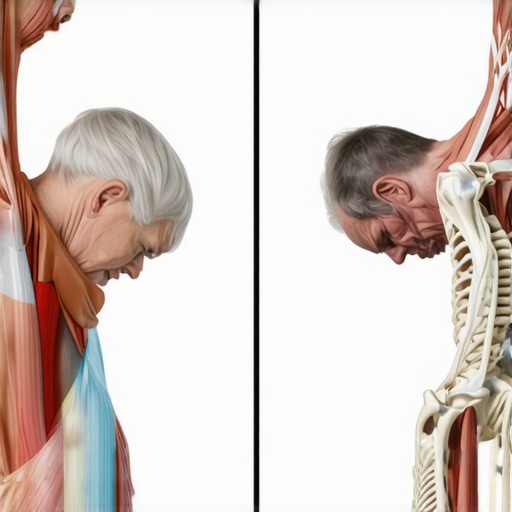
Ever found yourself stuck in bed, unable to turn your head without sharp pain shooting down your neck? Or maybe you’re battling persistent lower back discomfort that just won’t quit, no matter how many stretches or visits to the chiropractor you’ve tried. I’ve been there, feeling frustrated and overwhelmed, wondering if this pain is just part of growing older. But what if I told you there’s a surprising connection you’re probably overlooking—between your gut health and that stubborn spinal inflammation? That lightbulb moment changed everything for me.
Why Your Gut Might Be Sabotaging Your Spine
It sounds unbelievable, right? But research increasingly shows that our digestive system is deeply intertwined with inflammation throughout our bodies. Chronic inflammation in the spine can often stem from an imbalanced gut microbiome, leading to increased pain and reduced mobility. In fact, a study published in the Journal of Inflammation revealed that gut bacteria can influence inflammation levels in distant tissues, including the joints and discs of the spine. Understanding this connection opened my eyes to a holistic approach—one that looks beyond just the back or neck itself.
Could Poor Digestion Be Fueling Your Back Pain?
Early on, I made the mistake of focusing solely on external treatments—chiropractic adjustments, physical therapy, and pain medications—hoping that would solve everything. While those helped, the pain kept coming back. It was only when I started examining my diet and gut health that I saw real change. Incorporating anti-inflammatory foods and probiotics, along with targeted chiropractic care, made a huge difference in reducing my spine’s chronic inflammation. If you’ve been battling persistent pain, perhaps it’s worth exploring how your gut might be involved. You can learn more about enhancing mobility naturally through chiropractic care and how this integrative approach can support your recovery.
Have you noticed any patterns between your digestion and back or neck pain? If so, stay tuned. We’re about to dive into practical, effective strategies to address both the root cause and your symptoms, so you can reclaim your mobility and comfort.
Start with Correct Posture Awareness
My first step was to observe how I sat and stood throughout the day. I used a mirror to check my neck and back alignment during work, adjusting my chair height and the position of my monitor. This simple tweak significantly reduced my neck strain. Think of your body as a building; if the foundation is crooked, everything above shifts and causes stress. Maintaining awareness helps you identify and correct misalignments before they become pain sources. To deepen your understanding, visit this guide on neck and back relief methods.
Incorporate Targeted Strengthening Exercises
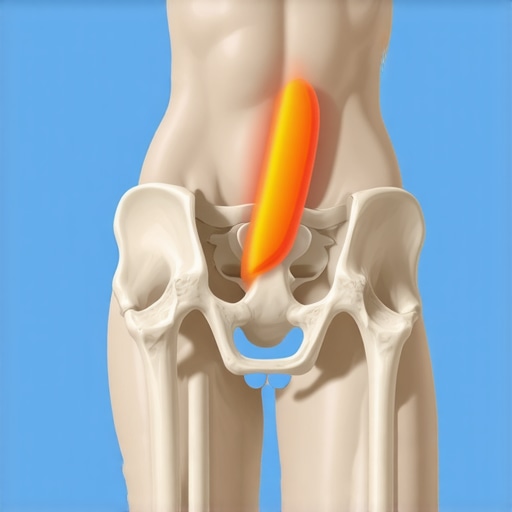
Next, I began integrating specific exercises to strengthen my core and stabilize my pelvis, which is central to spinal health. I started with gentle planks and pelvic tilts, focusing on proper form—imagine bracing your midsection as if preparing for a gentle punch. This improves support for your spine, reducing stress and pain. I learned that strong, balanced muscles act like scaffolding, supporting the structure of your body. For detailed routines, check out this chiropractic-guided back recovery plan.
Utilize Gentle Mobilization Techniques
To loosen tight muscles and increase range of motion, I used foam rolling on my mid-back and neck. It’s like giving your muscles a gentle massage—imagine kneading dough to make it more malleable. This process breaks down adhesions and promotes blood flow, accelerating recovery. Remember, aggressive rolling can worsen inflammation; gentle, controlled movements are key. For proper technique, refer to this detailed foam rolling method.
Practice Controlled Breathing and Relaxation
In moments of tension, I focused on deep diaphragmatic breathing to calm my nervous system and reduce spasms. Visualize your lungs as balloons that fill gradually, encouraging your back muscles to relax. Chronic tension often exacerbates pain, so calming your body can provide immediate relief. Incorporate this practice during breaks or before sleep to maintain a relaxed spine. For guided breathing exercises, see this simple technique.
Consistent Movement and Avoiding Sedentary Traps
Lastly, I set alarms to remind me to stand, stretch, and walk every 30 minutes. Movement encourages synovial fluid circulation in joints, much like oil spreading evenly in an engine. It prevents stiffness and promotes healing. Instead of long periods of sitting, alternate between sitting and standing, and incorporate light stretches to keep tissues flexible. For tips on staying mobile at work, review this guide on desk mobility.
Many believe that chiropractic care is solely about cracking joints and relieving immediate pain. However, this oversimplification overlooks the complex mechanisms behind spinal health and mobility. A common misconception is that once pain subsides through quick adjustments, the problem is permanently resolved. In reality, true spinal wellness requires addressing underlying factors such as neuromuscular control, tissue quality, and lifestyle habits. Experts emphasize the importance of understanding these intricacies to achieve lasting results, as discussed in chiropractic secrets for full mobility recovery. Focusing only on symptomatic relief often leads to recurrent issues, a pitfall many fall into.
What are the pitfalls of ignoring postural neurology?
Many practitioners and patients overlook the significance of postural neurology—the brain’s role in maintaining spinal alignment and muscle coordination. Ignoring this aspect can lead to incomplete rehabilitation and persistent poor movement patterns, increasing the risk of injury recurrence. Advanced approaches incorporate neuroplasticity principles, training the nervous system to restore optimal control. Research by Dr. Todd Hargrove underscores the importance of sensory-motor integration in movement quality and pain reduction. Neglecting these nuances might seem minor but can significantly impact long-term outcomes.
Another common trap involves relying excessively on passive treatments like massage or medication without active engagement in movement therapy or strengthening exercises. This oversight can weaken the body’s natural stabilization, making it more susceptible to injury. Incorporating functional movement training, as detailed in mobility mastery strategies, enhances spinal resilience and fine-tunes neuromuscular performance. Remember, healing is not just about alleviating pain but retraining your system for optimal, pain-free function.
For the more advanced reader asking about the specific mechanisms, consider how proprioception—your body’s sense of position—affects spinal stability. Impairments here can cause subtle misalignments that persist despite adjustments. Techniques that target proprioceptive training, such as balance and coordination exercises, are essential in comprehensive rehab plans. This nuanced approach is supported by studies indicating that proprioceptive deficits contribute to chronic joint and back pain, as highlighted in the work of Prof. Jean-Michel Brismée.
In summary, recognizing the interconnected systems—neurological, muscular, and structural—is crucial for effective spinal health management. Building a program that integrates active movement, neuro-training, and lifestyle modifications leads to more sustainable success than passive, symptom-focused interventions. Hence, always question if you’re truly addressing the root cause or just the visible symptoms. Have you ever fallen into this trap? Let me know in the comments.
Maintaining spinal mobility and health isn’t a one-time effort—it’s an ongoing process that requires the right tools and consistent routines. Over the years, I’ve refined my toolbox to include specific equipment and techniques that support long-term results and make scaling manageable as I progress in my recovery journey. A key component is investing in quality mobility aids like foam rollers and resistance bands. I personally prefer a firm foam roller with a textured surface, as it effectively breaks down adhesions and promotes blood flow to my back muscles without causing irritation. Incorporating regular self-myofascial release sessions has significantly sustained my progress and prevented flare-ups.
Alongside physical tools, I rely heavily on specialized software for tracking my pain levels, mobility improvements, and daily habits. Apps like MySpine Journal help me monitor fluctuations and identify patterns over time, ensuring I address emerging issues before they escalate. This data-driven approach enhances my understanding of what routines and interventions are truly effective for my body’s unique needs. As technology advances, I predict we’ll see more AI-powered virtual assessments that offer personalized program adjustments—making scaling and long-term maintenance even more accessible.
One advanced practice I frequently recommend involves integrating neuroplasticity-based exercises, such as proprioceptive training, to rebuild spinal stability and coordination. For example, using balance boards or stability balls during targeted mobility sessions trains your nervous system to better control muscle activation, which is crucial for preventing recurrences. These tools can be scaled in difficulty as your system adapts, providing a sustainable path to long-term resilience.
What’s the best way to maintain mobility and spinal health in the long run?
Consistency is your most powerful ally. Set up a dedicated space with your favorite tools—like a foam roller, resistance bands, and balance aids—and schedule regular check-ins with yourself. Remember, these routines are not about quick fixes but about embedding healthy habits into your daily life. For more detailed strategies, explore these proven mobility techniques that can be adapted to any level of recovery. Incorporate gentle self-assessments, like checking your posture after waking up or during breaks, to stay vigilant and proactive.
To truly scale your progress, embrace a mindset of continuous learning. Attend workshops or consult with a qualified chiropractor to fine-tune your routines and ensure you’re using tools correctly. And if you’re serious about pushing your mobility further, try adding proprioceptive exercises like standing on one foot on a balance pad—it’s an example of how layering simple tools can produce remarkable results over time.
Interested in the latest innovations? Keep an eye on emerging neurotechnology devices designed to enhance nerve-muscle communication, which could revolutionize how we manage chronic issues. In the meantime, leverage your current tools and commit to consistent practice—your spine will thank you for it!

Lessons That Changed My Approach to Spinal Care
- Realized that pushing through pain without addressing gut health can lead to recurring issues. Restoring balance internally often yields longer-lasting results.
- Discovered that passive treatments may provide quick relief, but active engagement with movement and neurotraining creates sustainable improvements.
- Learned that small daily habits, like proper posture and short mobility routines, accumulate to prevent chronic pain rather than just temporarily masking it.
- Understanding the nervous system’s role in muscle control and posture shifted my focus toward neuroplasticity and proprioceptive exercises for true healing.
- Embracing a holistic perspective that combines spinal adjustments, nutrition, and mindful movement has transformed my recovery journey—and it can do the same for you.
My Essential Toolkit for Lasting Spinal Mobility
- Foam rollers with textured surfaces — They help release fascia tightness and improve blood flow without aggravating inflammation.
- Interactive mobility apps like MySpine Journal — Tracking progress keeps me accountable and reveals patterns to refine routines.
- Proprioceptive tools such as balance pads and stability balls — These enhance neuromuscular control and reinforce healthy movement habits.
- Educational resources like ‘Revitalize Your Mobility’ guide — Trusted since they offer evidence-based strategies tailored for long-term success.
Your Path Toward Better Movement Starts Now
Don’t let pain dictate your life—embrace the possibilities that come with understanding your body’s true needs. As you incorporate these insights, remember that lasting mobility is a journey built on consistent, mindful practices. The moment you take that first step, you’re empowering yourself to move freely and confidently. Keep learning, stay dedicated, and celebrate each small victory along the way. Your spine—and your future self—will thank you for it.
What small change will you start today to improve your spinal health? Share your thoughts below and let’s support each other on this healing journey!
,