Why your ‘perfect’ office chair is still making you slouch
I remember the day I unboxed my $1,200 ‘executive ergonomic’ throne. I felt like I was finally investing in my health. I genuinely believed my chronic back pain and that nagging tightness in my shoulder blades would vanish the moment I sat down. But within an hour, there I was. Slumped. My chin was inches from the screen, and my lower back was as round as a bowling ball. It was a wake-up call that hit harder than the price tag: high-tech gear cannot fix low-tech habits. We have all been there. We buy the standing desk, the memory foam cushion, or the chair with more levers than a fighter jet, yet the discomfort remains. Today, I am going to show you why that ‘perfect’ chair is actually making you lazier and how you can reclaim your posture without spending another dime on furniture.
Stop Blaming the Furniture for Your Bad Habits
I made a massive mistake early on in my journey toward spinal health. I assumed that if I just bought the right support, my body would magically align itself. I was treating my spine like a piece of dough that just needed a better mold. The reality is that your chair is just a tool, and most of us are using it as a crutch. I spent months ignoring the fundamentals of better posture and mobility because I thought the lumbar pillow had it handled. It is a harsh truth to swallow, but no piece of equipment can replace conscious movement. If you are leaning on your armrests until your shoulders are up at your ears, your chair isn’t the problem—your proprioception is. We often forget that a quick desk reset is more valuable than any expensive mesh fabric.
Does a fancy chair really fix your spine?
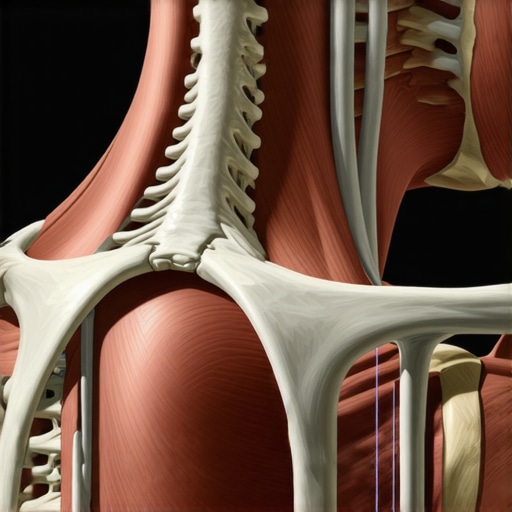
Skepticism is healthy here. If these chairs were the silver bullet, why is back pain still the leading cause of disability worldwide? According to the Cornell University Ergonomics Web, up to 90% more pressure is put on your back when you sit versus when you stand, and even the most advanced designs cannot counteract the effects of a completely static posture. We simply aren’t built to be still. I eventually realized that the hidden reason your desk chair feels uncomfortable isn’t always the foam density or the tilt tension; it is the fact that your nervous system is screaming for a change in position. You need more than a mesh backrest to stay healthy. You need a strategy that involves moving your joints through their full range of motion. We are going to look closely at the truth about built-in lumbar support in modern chairs that most manufacturers won’t tell you. Have you ever spent a fortune on a ‘back-saving’ gadget only to feel just as stiff at the end of the day? If so, you are definitely not alone, and it is time we changed the way we sit.Think of your spine as a high-tension suspension bridge. If the anchors—your pelvis and your feet—are loose, the cables (your muscles) have to work overtime just to keep the structure from collapsing. This is exactly why your neck feels like it is made of concrete by 3 PM. To fix this, we need to stop treating sitting as a passive activity and start treating it as an active skill.
Reclaim Your Spine Without Buying a New Chair
The first thing you need to realize is that your ‘sit bones’ are your best friends. Most of us sit on our tailbones, which rounds the lower back and sends a ripple of tension all the way up to the skull. I remember a time I decided to ditch my ‘ergonomic’ chair for a simple wooden stool for a week. It was messy. My glutes were sore, and I spent the first two days constantly shifting. However, that discomfort forced me to find my center. I stopped leaning into a headrest and started trusting my own structure. I quickly learned that why your core routine is failing your spine often comes down to a lack of engagement while you are stationary. By the end of that week, my back felt stronger because I was no longer letting a cushion do the work for me.
Pivot at the Hips to Save Your Lower Back
Instead of slumping into your chair, use the hip hinge trick to find your seat. This means keeping your back straight and bending only at the hips as you lower yourself down. Once you are seated, check your pelvic tilt. You want your pelvis to be like a bowl of water that isn’t spilling out the front or the back. If you are tucked too far under, you are crushing your lumbar discs. This is a primary reason why we check your pelvis to solve mid-back tension during spinal assessments. 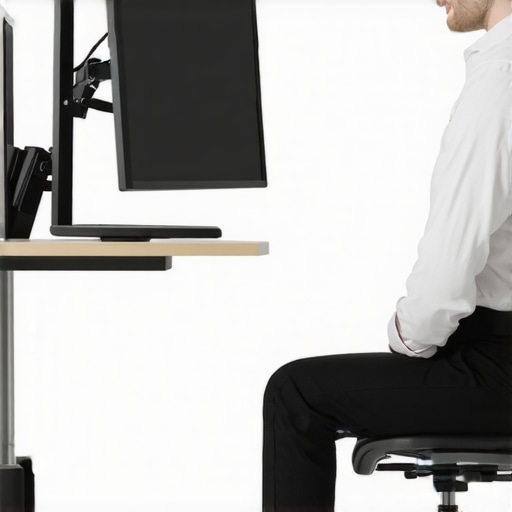
Stop Letting Your Screen Dictate Your Neck Angle
Your head weighs about as much as a bowling ball. For every inch it tilts forward, the effective weight on your neck muscles doubles. You might be focused on your lumbar support, but how your eyes are secretly dictating your posture is likely the real culprit behind those headaches. If your monitor is too low, your chin follows your gaze, and your neck pays the price. Raise your screen so your eyes hit the top third of the display. This simple shift keeps your ears stacked over your shoulders, preventing the ‘forward head’ drift that causes chronic tightness.
Breathe Into Your Ribs to Unlock Tension
When we are stressed and focused on work, our breathing becomes shallow and moved into the chest. This forces the small muscles in your neck to help pull up your ribcage with every breath. Over thousands of breaths a day, those muscles get exhausted. Try to breathe laterally—expanding your ribs out to the sides like an accordion. This stabilizes your mid-back from the inside out. Integrating the 30-second reset for tech neck fatigue throughout your day can break the cycle of shallow breathing and muscle guarding. It is far more effective than trying to hold a ‘perfect’ posture through sheer willpower. Even a short break to perform the 5-minute desk reset can flush out metabolic waste from your muscles and remind your nervous system that it is safe to relax.
Stop stretching the muscles that are already overextended
Most people assume that if a muscle feels tight, it needs to be pulled and lengthened. In my experience, this is where most people stall their progress. We have been conditioned to believe that flexibility is the ultimate goal, but why stretching a tight muscle isn’t always the answer comes down to the concept of ‘protective tension.’ If your mid-back feels tight because your chest is collapsed and those back muscles are constantly being pulled long, stretching them further is like pulling on an already frayed rope. You aren’t releasing tension; you are increasing instability. This is why why stretching your hamstrings won’t fix your back pain if your pelvis is already tilted too far forward. You are essentially tugging on a nerve that is already screaming for slack. When you force a stretch on a muscle that is actually weak, you trigger a ‘stretch reflex’ that makes the muscle even tighter to protect the joint. 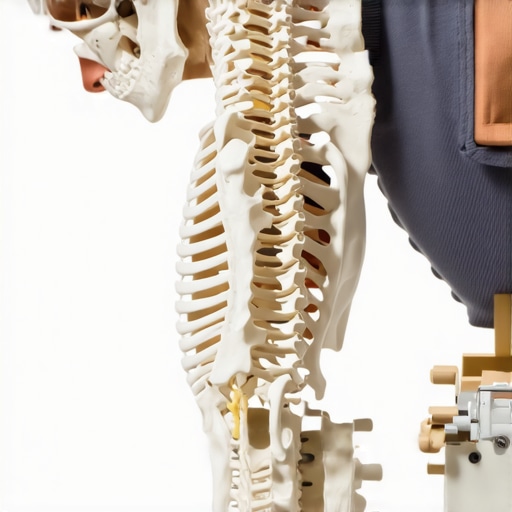
Does your morning routine actually lock your joints?
Many patients tell me they start their day with intense static stretching, but a study published in the Journal of Strength and Conditioning Research suggests that prolonged static stretching can actually decrease muscle stability and power for several hours. Instead of forcing a stretch, you should be focusing on restore your back mobility: proven chiropractic strategies that prioritize active range of motion and joint lubrication. The ‘Oops’ factor I see most often is the overuse of the foam roller on the lumbar spine. People think they are ‘kneading out’ the knots, but why your foam roller might be hurting your lower back is simple: your lower back is designed for stability, not massive amounts of extension. When you roll it directly, you risk aggravating the facet joints and underlying nerves. It is far better to stop rolling your lower back on a hard foam roller and focus that energy on your glutes and upper back instead.
The kinetic chain is never lying to you
If you want to solve chronic issues, you have to look away from where it hurts. It sounds counterintuitive, but how a single tight ankle can cause chronic back pain is a classic example of the kinetic chain in action. If your ankle doesn’t move when you walk, your knee wobbles, your hip hitches, and your lower back takes the brunt of every step. This is also why we adjust the pelvis to fix neck tension. The body is a closed-loop system; if the foundation is off, the roof will always leak. Another hidden nuance is that ‘perfect’ posture can be a trap. If you are holding yourself in a rigid, military-style pose, you are creating massive amounts of internal pressure. In fact, why your perfect posture is actually making you stiff is because you’ve stopped moving altogether. True health is found in movement variability, not a static pose. Have you ever fallen into the trap of obsessively stretching a spot that never seems to get better? Let me know in the comments below, and let’s figure out if you’re actually dealing with weakness disguised as tightness.I have tried everything from vibrating massage guns to expensive TENS units, but the tools that actually saved my spine are surprisingly low-tech. For example, I never go to the office without my McKenzie lumbar roll. Most chairs—even the expensive ones—place the curve too high or too shallow. By learning the correct way to use a lumbar roll in your office chair, you are manually creating the support your muscles are too tired to maintain. I also keep a set of light resistance bands in my desk drawer. Five minutes of monster walks or glute bridges mid-afternoon does more for my back than any professional massage. You have to realize that strengthening your glutes to take the pressure off your spine is a non-negotiable part of the maintenance phase. If those muscles are ‘asleep,’ your lower back is essentially flying solo without a co-pilot. #IMAGE_PLACE_HOLDER_D#
How do I keep my spine young for the next decade?
Maintenance is not about doing a two-hour workout once a week; it is about the micro-doses of movement you do every single morning. I swear by the 3-minute morning routine to lubricate your joints before I even pour my first cup of coffee. This is about signaling to your nervous system that it is time to wake up and move. Dr. Stuart McGill, a world-renowned expert in spine mechanics and author of Low Back Disorders, emphasizes that building ‘core stiffness’ through specific stability exercises like the Bird-Dog or Side-Plank is far more protective for the discs than performing high-repetition sit-ups. Integrating the best exercises to keep your spine young ensures that you are building resilience, not just temporary relief. I predict that within the next five years, we will see ‘posture-aware’ wearable technology integrated directly into our clothing. These sensors will provide haptic feedback—a tiny vibration—the moment your shoulders drift forward, helping you master your mobility in real-time. Until then, we have to rely on our own awareness and restore our back mobility using proven chiropractic strategies. If you want to see a real change, stop looking for the next gadget and start mastering the ‘Big Three’ stability exercises tonight—it is the single best investment you can make for your future self.
The Hardest Lessons My Aching Back Taught Me
After years of trial and error, I’ve realized that movement is medicine, but only if you take the right dose. One major lightbulb moment was discovering that why your perfect posture is actually making you stiff is often due to over-correction; we try so hard to be ‘straight’ that we forget to be fluid. Another realization was that to relieve neck back discomfort using these expert methods, you must apply them consistently throughout the day, not just as a 10-minute emergency fix when you are already in agony. Finally, I learned that my feet were more connected to my neck than I ever imagined; if the foundation is weak, the rest of the structure will eventually crumble regardless of the chair you use.
My Personal Arsenal for Spinal Health
You don’t need a warehouse full of gadgets, but a few key items make a world of difference. I always keep a McKenzie Lumbar Roll nearby to maintain that natural lumbar curve during long sessions. For building real resilience, I rely on the ‘Big Three’ stability exercises popularized by Dr. Stuart McGill, which prioritize core endurance over raw strength. Whenever I feel the strain of a long afternoon, I use the simple wall drill to reverse forward head posture to reset my alignment instantly. I also recommend looking into how you can enhance mobility naturally with chiropractic care to address the underlying structural issues that gear simply cannot reach.
It Is Time to Trust Your Body Again
Reclaiming your mobility isn’t about finding a magic chair; it’s about rebuilding the relationship with your own structure. Whether you are dealing with a recent injury or years of chronic stiffness, remember that back pain recovery how chiropractic care transforms lives starts with a single, mindful choice to move differently. You have the tools, the knowledge, and the capacity to change. Don’t wait for the pain to return to prioritize your spine. Start today, stay curious about how you move, and watch how your body rewards you with newfound freedom and energy. Have you ever found that a simple movement fix worked better than your most expensive office gear? Let me know in the comments below!