5 Signs Your Pillow Is Trapping Your Neck in a Bad Angle
I remember one Tuesday morning specifically. I reached for my coffee mug, and a lightning bolt of pain shot from the base of my skull right down to my shoulder blade. I hadn’t fallen. I hadn’t lifted a heavy box. I had simply slept. It turns out, I was a victim of my own bedding. I spent years thinking my luxury down pillow was a cloud, when in reality, it was a trap. If you’ve ever felt like your head was bolted onto your shoulders the wrong way after a night’s rest, you aren’t alone. Today, we’re going to figure out if your pillow is actually your neck’s worst enemy.
The Morning I Couldn’t Turn My Head to the Left
For a long time, I made the classic rookie mistake: I assumed that if a pillow felt soft, it was doing its job. I even held onto a favorite pillow for nearly four years because I liked the broken-in feel. Big mistake. I didn’t realize that your pillows should be replaced every eighteen months to maintain any semblance of structural integrity. By the time I finally saw a professional, my neck was chronically stiff, and I was losing my range of motion. We often focus so much on ergonomics at work, but we forget that we spend a third of our lives horizontal. One day you are fine, and the next, you are wondering why your neck crunches when you turn your head.
Is This Just Another Expensive Sleep Gimmick?
You might be thinking, it’s just a pillow, surely it can’t be that deep? I used to be a skeptic too. But here is a surprising fact supported by researchers: the cervical spine requires a very specific degree of support to allow the surrounding muscles to actually relax. According to the Journal of Physical Therapy Science, the height of your pillow is the single most critical factor in maintaining a neutral spine; even a few centimeters of difference can lead to significant muscle fatigue over eight hours. It’s not about the thread count; it’s about the angle. Have you ever woken up and had to crack your neck just to feel like you could look in the rearview mirror? I’d love to hear if you are currently stuck in that morning-stiffness cycle.
Five Red Flags Your Pillow is a Stealthy Spine Wrecker
It wasn’t until I learned the side sleeper’s guide to pillow placement that I realized my pillow was actually propping my head up into a permanent side-bend. It’s like walking around all day with your ear glued to your shoulder. Over time, this leads to that crunchy feeling when you rotate your neck. If you are struggling with unlocking neck pain relief, the solution might be sitting right under your head. Understanding why your pillow choice matters more as you age is something most people ignore until the pain becomes a daily guest. Let’s break down the signs that your current setup is trapping you.
Stop Guessing and Test Your Pillow with the Fold Method
You don’t need a degree in biomechanics to tell if your pillow has given up the ghost. I use the ‘Fold Test’ every time a patient tells me they feel like they’ve been in a fender bender by 7:00 AM. If you have a natural fiber or synthetic pillow, fold it in half and place a light weight—like a shoe—on top. If it doesn’t spring back and toss that shoe off when you release it, the internal support is dead. You are essentially sleeping on a flat bag of rags. This lack of resilience is often the culprit behind that nagging sensation where you need the 30-second fix for a pinched nerve in the neck just to get through your morning coffee. When the material inside clogs together, it creates high-pressure zones against your nerves rather than dispersing your head’s weight evenly.
The Garden Hose Rule for Your Cervical Spine
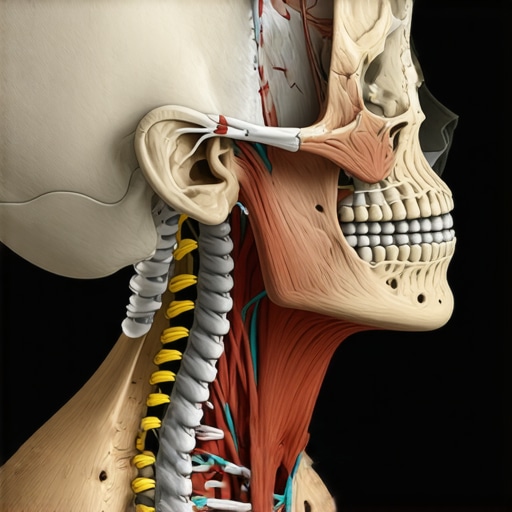
Think of your neck like a garden hose. When the hose is straight, the water flows perfectly. If you put a sharp kink in it, the pressure builds up and the flow stops. Your nerves and blood vessels are no different. When your pillow is too high or too low, you’re kinking the hose for eight hours straight. This is a core part of an effective neck pain management a step-by-step guide that most people overlook. If you spend your night in a ‘kinked’ position, the muscles surrounding the spine never get the signal to relax; they stay in a state of high-alert, guarding the joints. 
Match Your Pillow Loft to Your Shoulders
The ‘loft’ is just a fancy word for the thickness of the pillow. If you are a side sleeper, your pillow needs to be exactly as thick as the distance from the tip of your shoulder to your ear. If it’s thinner, your head tilts down toward the mattress; if it’s thicker, your head tilts up toward the ceiling. I once bought a ‘specialty’ memory foam pillow that looked like a blue brick. It was marketed for ‘maximum support,’ but it was about two inches too high for my narrow frame. I woke up for three days straight with a dull throb behind my eyes, eventually realizing my head was being forced into a forward-flexed position all night. Once I swapped it for something that allowed for chiropractic secrets to boost neck comfort and function, the headaches vanished.
How to Sleep on Your Back Without Waking Up Stiff
Back sleepers have a different challenge. You need a pillow that supports the natural curve of your neck without pushing your chin toward your chest. If you can see your toes while lying on your back, your pillow is too high. You’re looking for a neutral gaze directly at the ceiling. Mastering how to sleep on your back without waking up stiff requires a thinner loft, often with a contour for the neck and a recess for the back of the head. If you ignore this alignment, you’ll eventually find yourself asking why your neck clicks when you turn your head to the left. We use boost mobility ease pain chiropractic techniques unveiled in the clinic to restore the motion that a bad pillow choice has stolen over the years, but the real work happens in your bedroom.
It’s easy to think that once you’ve swapped the pillow, the battle is won. But here is where most people—even those who have seen a dozen specialists—get it wrong. You’ve probably been told that if your neck feels tight, you need to stretch it until the cows come home. In my experience, this ‘stretch-first’ mentality actually prolongs the agony. When your muscles are in a state of protective guarding, they aren’t tight because they’re short; they’re tight because they’re trying to keep an unstable joint from moving any further. Forcefully stretching a joint that the brain is trying to protect is like pulling on a knotted thread—you just make the knot tighter. This is a nuance I often explain when discussing overcoming chronic neck discomfort.
The Foam Roller Trap You Need to Avoid
Another common ‘oops’ factor is the misuse of the foam roller. While it’s great for the quads, I’ve seen people try to roll their lower back or their neck with aggressive, high-density rollers. This can actually trigger a flare-up by putting direct pressure on the spinous processes. If you’ve ever wondered why your foam roller might be hurting your lower back, it’s because you’re likely compressing the very joints that need space. Instead, we often use boost mobility ease pain chiropractic techniques unveiled to address the underlying mechanics before you ever touch a piece of gym equipment. A study published in the Journal of Manipulative and Physiological Therapeutics highlights that focused spinal manipulation provides significantly greater long-term relief than stretching programs alone for mechanical neck pain. It’s about restoring the slide and glide of the facet joints, not just yanking on the soft tissue.
Does your mid-back hold the key to your neck’s freedom?
This is the question that separates the beginners from the pros. We often see patients who focus entirely on the neck, but the cervical spine is essentially a slave to the thoracic spine (your mid-back). If your mid-back is locked up like a rusty gate—a common result of why your perfect office chair is still making you slouch—your neck has to work double-time just to let you look left or right. This is why why we adjust your mid-back to help other areas recover. By ignoring the hidden link between neck pain and spinal health, many people stay stuck in a cycle of temporary relief. Have you ever fallen into the trap of only treating the spot that hurts, rather than the source? Let me know in the comments.

When you start to relieve neck back discomfort using these expert methods, you realize that mobility is a full-body conversation. It isn’t just about the pillow or the stretch; it’s about how your entire spine communicates with your brain. If you are tired of the quick fixes and want to get to the root of the problem, it’s time to look at the mechanics, not just the symptoms.
Once you have sorted out your pillow situation, the real work begins. I often tell my patients that a great pillow is just the starting line; keeping your spine mobile requires a shift from ‘fixing’ to ‘maintaining.’ One of the most effective tools in my personal arsenal isn’t an expensive piece of medical equipment—it’s a simple lacrosse ball. I use it to target the levator scapulae and rhomboids, which are the muscles that usually scream for help when your neck is out of alignment. Learning how to use a tennis ball to fix that spot under your shoulder blade provides a precision that a foam roller simply cannot match. While a roller is a broad brush, a lacrosse ball is a fine-tipped pen, allowing you to release deep trigger points that keep your neck in a state of constant tension.
The Two Dollar Tool That Saves My Spine Daily
I personally use this method every evening while watching TV. By leaning against a wall with the ball tucked between my shoulder blade and spine, I can feel the ‘knots’ literally melt away. This is a critical part of mobility mastery expert tips for back pain prevention and recovery. If you leave these trigger points unaddressed, they eventually pull on the cervical vertebrae, undoing all the progress you made with your new sleeping posture. 
How do I keep my spine functioning for the long haul?
Maintenance is about cumulative habits, not occasional heroics. I follow a concept called ‘spine hygiene,’ popularized by Dr. Stuart McGill, a world-renowned expert in spinal biomechanics at the University of Waterloo. In his research, McGill emphasizes that how we move throughout the day—how we brush our teeth, tie our shoes, and sit at our desks—determines our long-term recovery more than any 30-minute workout ever could. This involves implementing the 20-20-20 rule for desk workers and neck health to prevent the tissues from ‘creeping’ into a slumped position. When you stay consistent, you see how back pain recovery how chiropractic care transforms lives by giving you the baseline mobility needed to perform these daily movements correctly.
The Future of Posture is More Than Just Sitting Up Straight
Looking ahead, I predict a massive shift toward wearable biometric feedback. We are already seeing the emergence of ‘smart’ clothing with embedded EMG sensors that vibrate when your deep neck flexors or core muscles stop firing. This tech will move us away from guessing if our posture is ‘good’ and toward real-time data that trains our nervous system automatically. In the meantime, focus on restoring the foundational movement patterns. Utilizing restore your range how chiropractic care enhances movement is the best way to ensure your joints are actually capable of sitting in the positions these future gadgets will demand. If you want to start today, try this: set a timer for every 45 minutes and perform five ‘Scapular Squeezes’ to reset your mid-back. It takes ten seconds but can prevent a lifetime of stiffness.
What I Learned After Tossing Ten Different Pillows in the Trash
Over the years, I’ve spent a small fortune on everything from buckwheat hulls to high-tech cooling gels. The most profound realization I had was that a pillow is not a long-term investment; it is a consumable tool. We often treat our bedding like permanent furniture when we should treat it like running shoes—once the structural support is gone, the injury risk skyrockets. Another lightbulb moment was discovering how neck back pain solutions insights from wellness experts often point toward the environmental factors we ignore. It’s not just about the fifteen minutes of stretching you do in the morning; it’s about the eight hours of stillness and how your joints are positioned during that time.
My Personal Arsenal for a Tension-Free Neck
If you are serious about long-term spinal health, you need a few reliable resources in your corner. First, a standard lacrosse ball is my go-to for localized release because it is dense enough to actually change the tissue under your shoulder blades. Second, I recommend studying the concept of ‘spine hygiene,’ which helps you move safely throughout the day. Third, I rely on regular sessions to restore your range how chiropractic care enhances movement, ensuring that my facet joints aren’t getting stuck. Finally, knowing how to tell if your headache is starting in your neck can save you from days of unnecessary discomfort and medication. These tools provide a foundation that no ‘miracle’ pillow can match on its own.
#IMAGE_PLACEHOLDER_E#
Reclaiming Your Mornings One Night at a Time
The journey toward a pain-free life is rarely marked by one giant leap, but rather by dozens of small, smarter choices. Swapping that ancient, flat pillow or implementing unlock neck pain relief essential chiropractic tips for 2025 are the building blocks of a resilient body. When you prioritize your spinal alignment, you aren’t just avoiding a stiff neck; you are investing in your future energy and freedom of movement. Even a simple habit like performing the brueggers relief move to reverse hours of hunched sitting can prevent the cumulative strain that leads to chronic issues. Don’t wait for the next lightning bolt of pain to strike before you take your sleep environment seriously. Have you ever found the ‘perfect’ pillow only to have it go flat just a few months later? Let me know about your search for the perfect sleep setup below.